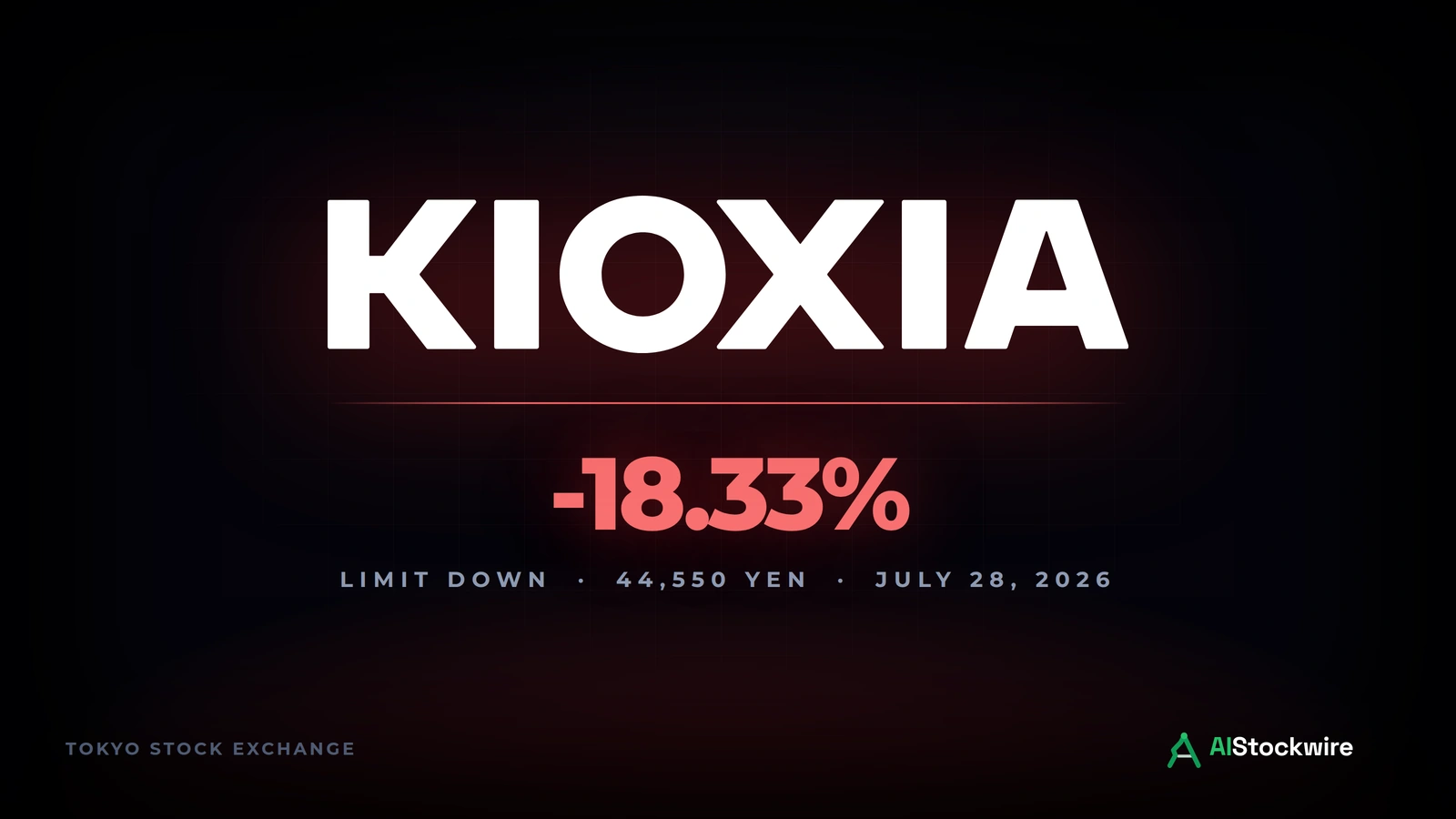
Kioxia hit limit-down again and is down 60% from its June peak. Sandisk (SNDK) co-owns its factories (July 28, 2026)
Kioxia closed at its limit-down price of 44,550 yen ($272 USD), down 18.33%, after finishing at the bottom of its daily band on July 17 as well. It is 60.5% below the 112,700 yen peak it set on June 22. It shares the Yokkaichi and Kitakami NAND plants with Sandisk (SNDK), which is why the two keep falling together.
Citadel says the Fed hikes Wednesday. All 104 economists Reuters asked say it won't (MU, NVDA, July 28, 2026)
I was sure Citadel's rate call knocked the Nasdaq down 2% Tuesday morning. Nvidia (NVDA) was green while Micron (MU) fell 7.69% and the 2-year yield never moved, so it was not the Fed at all. It was Seoul. Here is the split that actually matters at 2 p.m. Wednesday.
Korea's Kospi fell 10.84% and halted trading. Nvidia (NVDA) is flat and Micron (MU) is down 10% (July 28, 2026)
Korea's Kospi closed at 6,023.66 on Tuesday, down 10.84%, its fourth largest one-day fall on record, after Korea Exchange stopped all trading for 20 minutes. Samsung and SK Hynix each lost more than 13%. The US carryover went into memory and storage, with Sandisk (SNDK) down 14.52% and Micron (MU) down 9.54%, while Nvidia (NVDA) held flat and the Dow rose.

ChangXin Memory (CXMT) closed up 466% on day one and is worth as much as Intel. Its factories are sold out through 2027.
ChangXin Memory (CXMT) closed its Shanghai debut up 465.82%, passing ICBC as China's most valuable listed company and drawing level with Intel. Only 6.73% of its stock was tradable. The order book behind it is the part that matters for Micron (MU) and SK Hynix (SKHY).
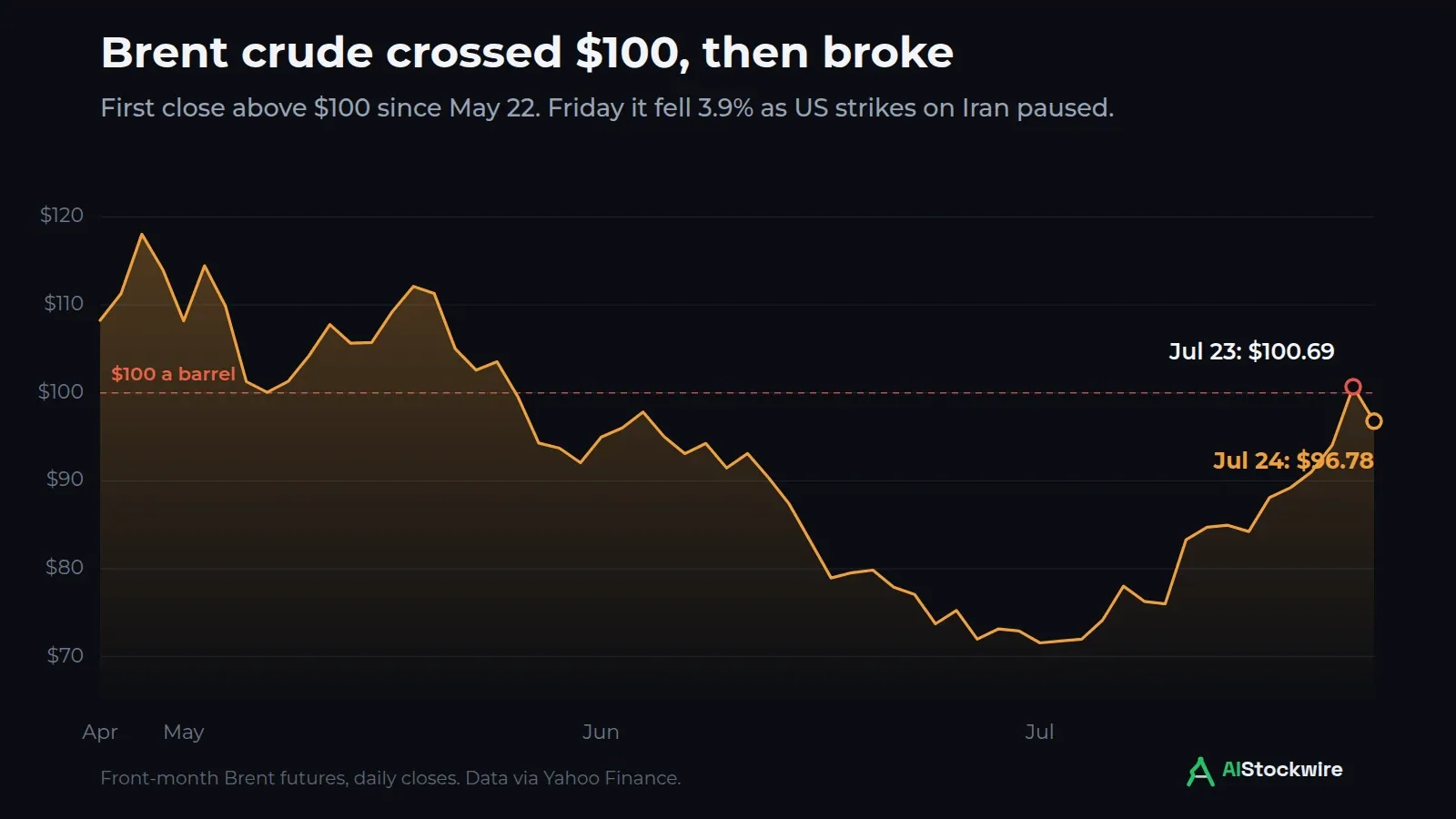
US strikes on Iran paused. Oil fell more than 3%, and Micron (MU) and Nebius (NBIS) rose over the weekend
US Central Command has gone two straight nights without striking Iran, and a Defense Department source told CNN operations are on a hold. Polymarket puts an effective ceasefire at 75% by August 31. US markets were shut all weekend, but the tokenized stock market never closed, and it spent Sunday buying the AI trade and selling oil.
The busiest stock on Hyperliquid isn't Nvidia. It's SK Hynix (SKHY), and it out-traded Ethereum
Real world assets did $25.1 billion on Hyperliquid in the week of July 13 to 19, out-trading crypto on the venue for the first time. The busiest contract is not Nvidia or Tesla. It is SK Hynix, which passed Ethereum for second place on the whole exchange, and whose Nasdaq listing (SKHY) fell 8.8% on Friday.
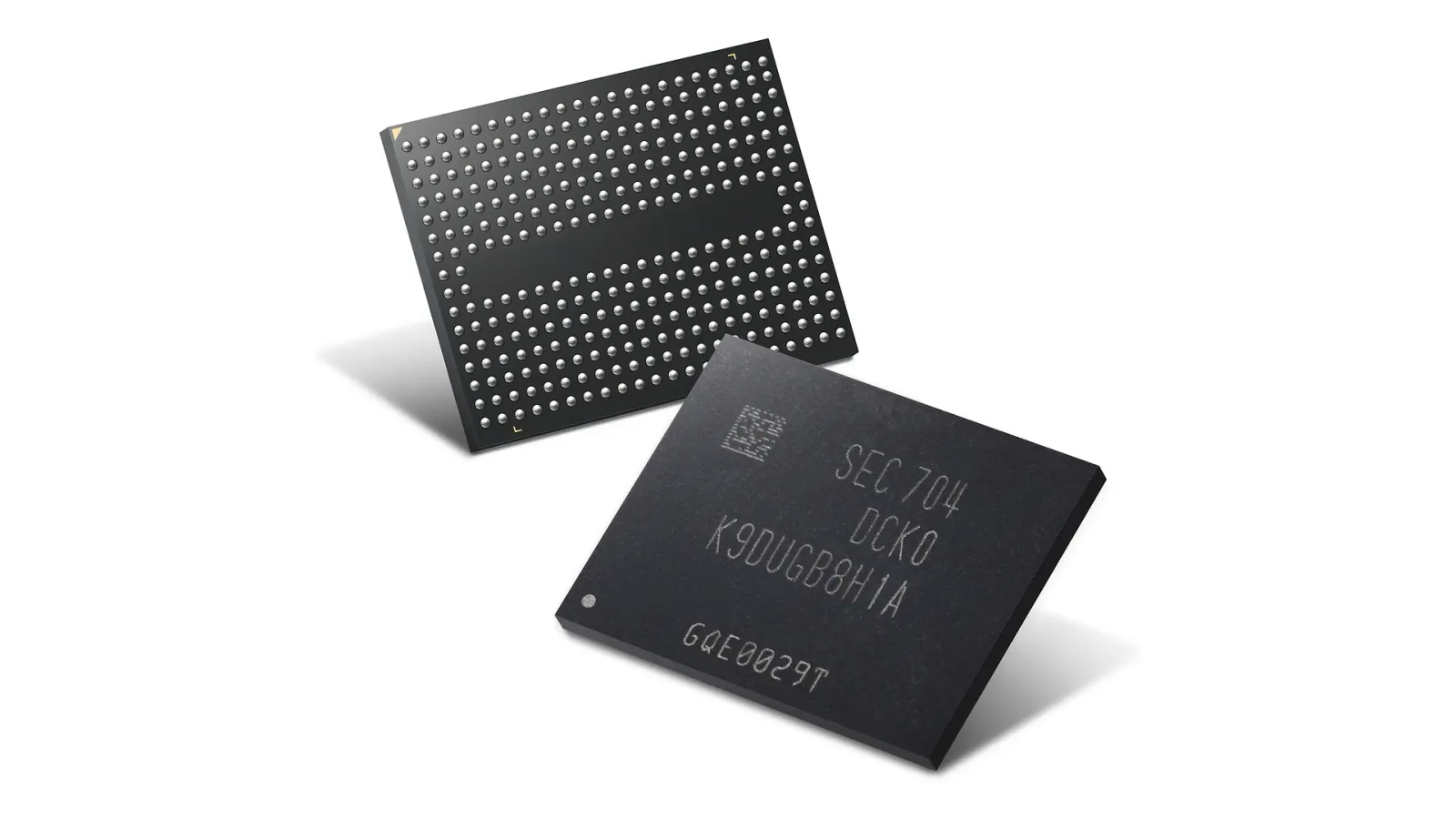
Memory stocks fell hard this week, from Micron (MU) to Western Digital (WDC). Sandisk (SNDK) lost 29%, and Goldman's price target says it should be 60% higher.
Sandisk (SNDK) fell 29% this week, the worst of a brutal stretch for memory stocks that also hit Micron (MU) and Western Digital (WDC). Two weeks ago Goldman Sachs raised its SNDK target to $2,200, more than 60% above Friday's close. Earnings on August 5 start settling the argument.
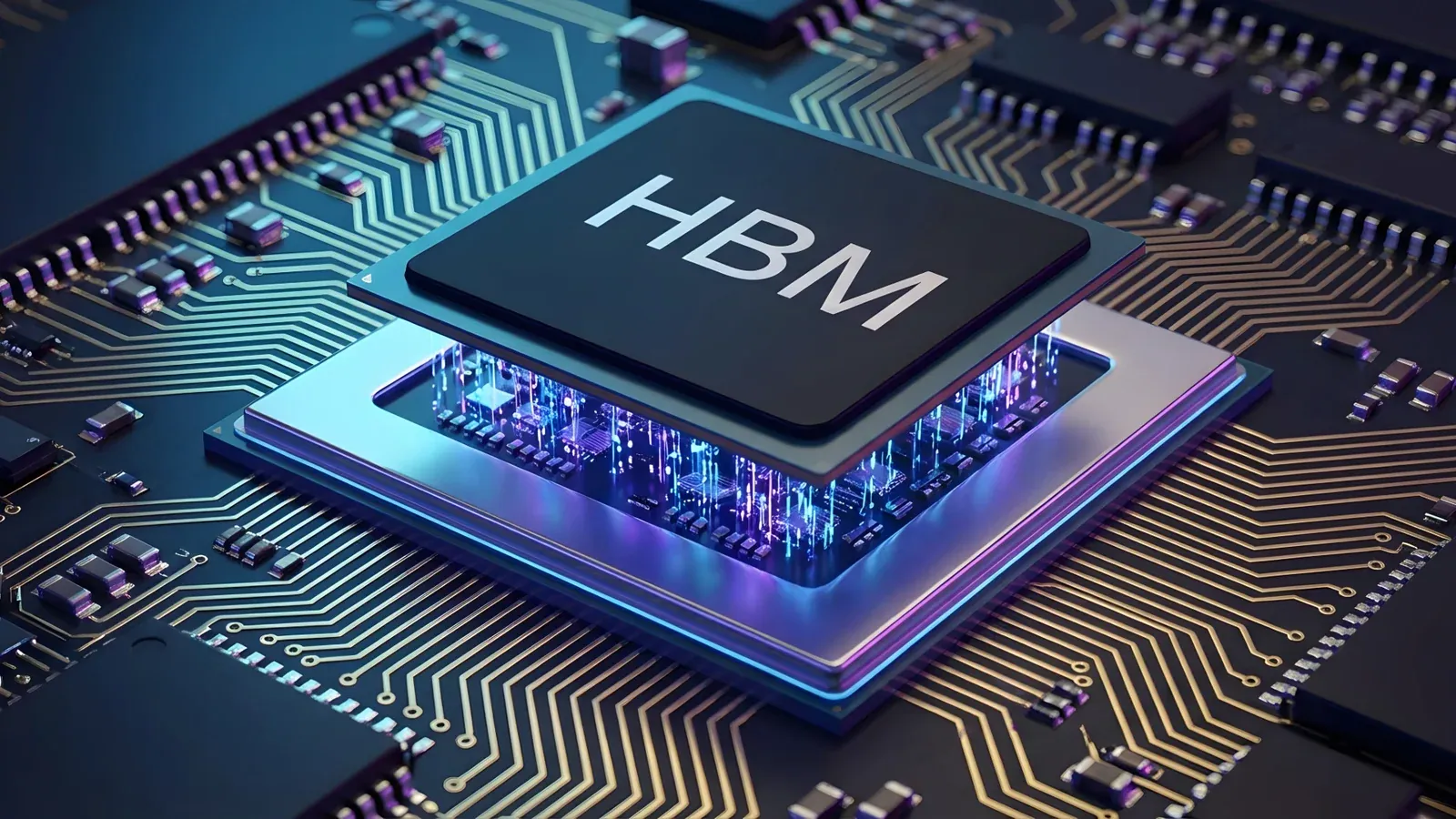
SK Hynix (SKHY) and Samsung make almost 80% of the world's AI memory. That's why Micron (MU) and US chip stocks crashed again (July 16, 2026)
Chip stocks fell hard again on July 16: SK Hynix's US shares (SKHY) closed down 13.7%, SanDisk (SNDK) 12.6%, Western Digital (WDC) 9.2%, Micron (MU) 5.7%, even after TSMC's record quarter. The reason traces back to Korea, where Samsung and SK Hynix make close to 80% of the world's AI memory, and to China's CXMT pricing an $85.7 billion IPO the same day.
TSMC beat earnings for a seventh straight quarter. The whole chip sector sold off anyway, and health care picked up the money.
TSMC beat Q2 earnings for a seventh straight quarter and raised its own 2026 capex forecast, an unusually bullish print. The semiconductor sector sold off anyway, continuing this week's memory-chip unwind, while health care, led by big earnings beats from UnitedHealth and Abbott, picked up the money instead.

SpaceX briefly fell below its IPO price today, and the revenue never supported a $2 trillion valuation
SpaceX dipped as low as around $132 on Wednesday, briefly trading below its $135 IPO price for the first time, before closing at $135.27, just pennies above it. With about $18.7 billion in revenue last year, a $2 trillion valuation was always a stretch, and Morningstar said as much before the IPO even priced.

Money is rotating out of semiconductor stocks and into the Mag 7 today. (July 15, 2026)
The real move Wednesday is money rotating into the Mag 7, Apple, Microsoft, Amazon and Meta are each up more than 3%. That money is coming out of semiconductor stocks, as SK Hynix's Nasdaq ADR, Micron and SanDisk all give back this week's spike.
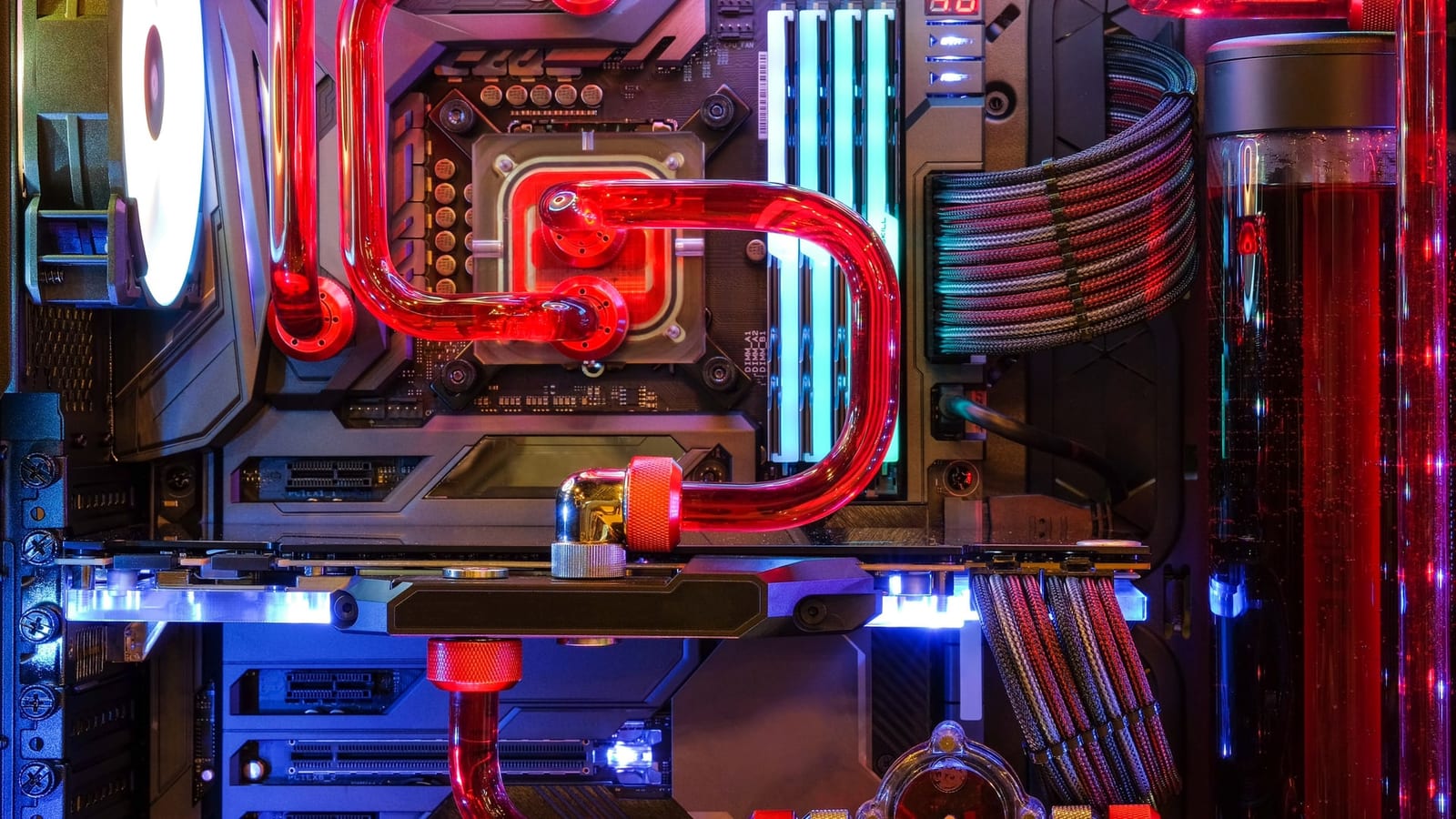
Inside the AI hardware stack, from Nvidia's chips to the grid that powers them
An AI data center is seven layers of hardware: GPUs, memory, storage, CPUs, networking, manufacturing, and power. Here's the full map, with the public companies behind each layer and where the bottlenecks actually are.
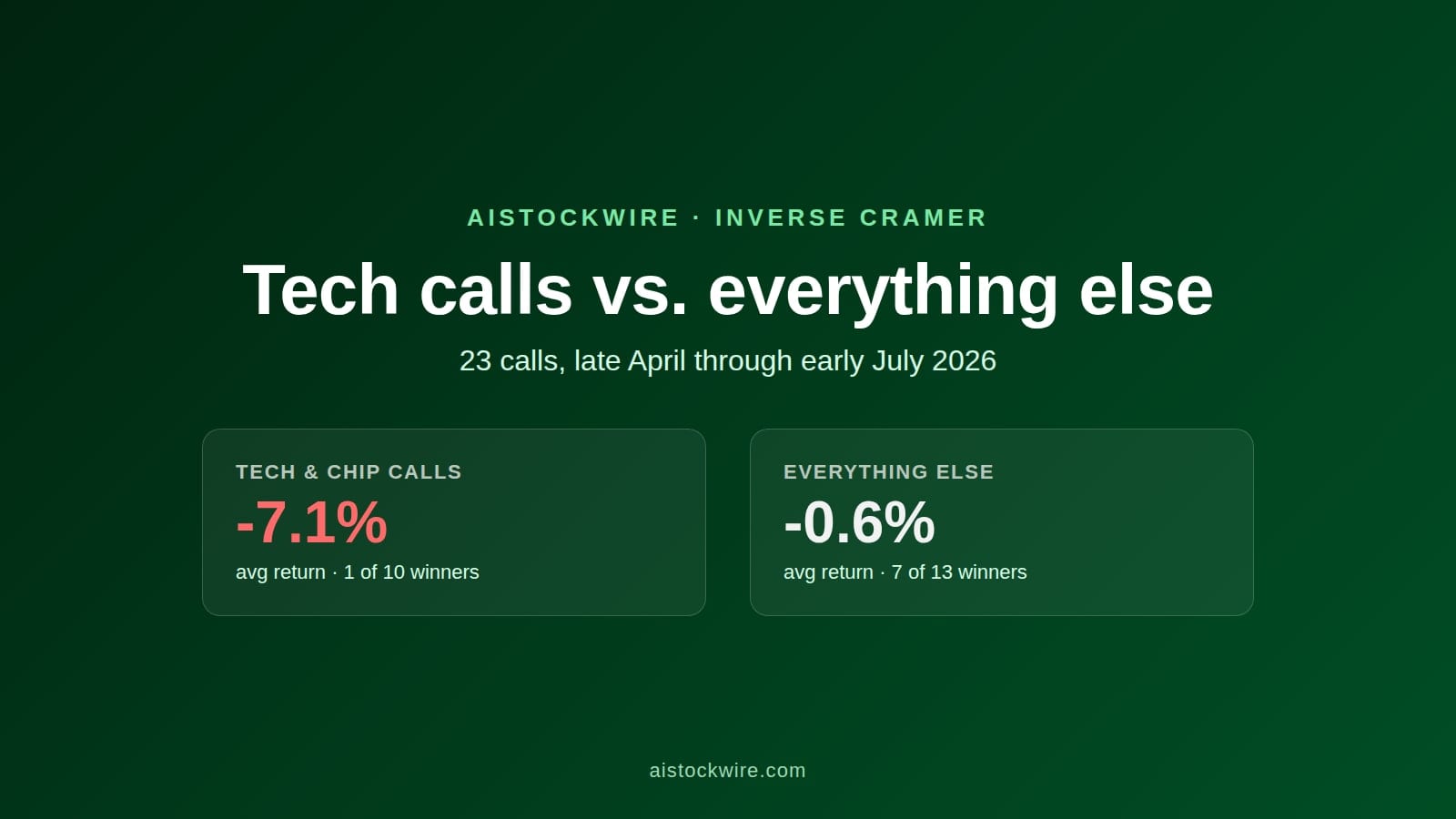
Jim Cramer's tech calls, like Micron and Intel, are missing far more than everything else
We pulled 23 of Jim Cramer's stock calls from late April through early July and checked the real numbers. His tech picks are down 7.2% on average with just 1 winner out of 10. His other calls are roughly flat, and just under half are green.
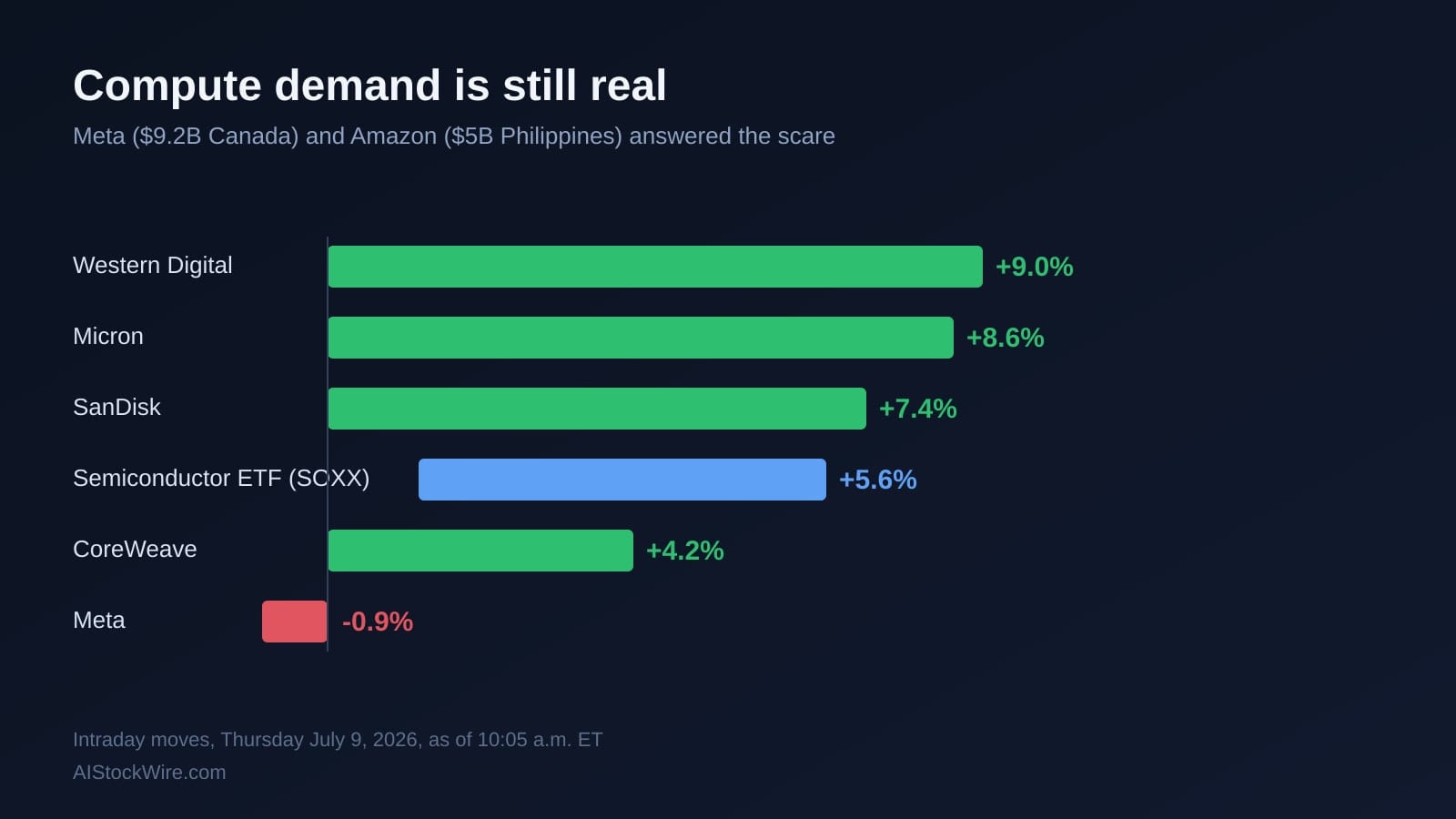
Chip stocks just had their best day in weeks. Meta and Amazon are both betting billions that AI compute demand isn't topping out (MU, WDC, META)
Micron, SanDisk, and Western Digital are having their best day in weeks. A week after a rumor said Meta had too much AI compute, Meta and Amazon both bet billions that demand is still growing, and Samsung's own record quarter couldn't shake investors until this week's data center news did.
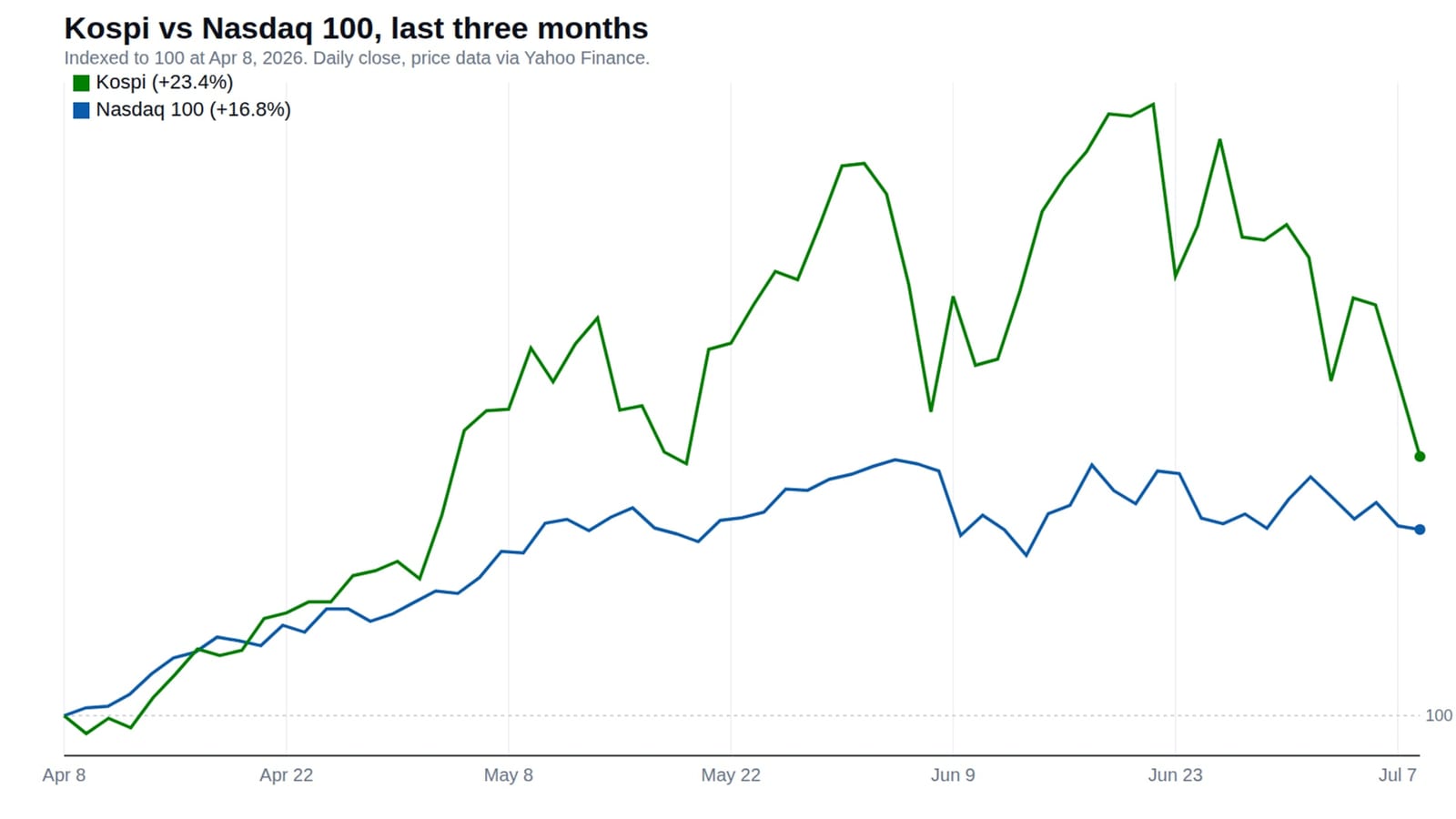
Wall Street used to move the Kospi. This week, the Kospi moved Wall Street.
South Korea's Kospi tumbled into a bear market this week. Its relationship with Wall Street isn't a one-way street. It runs both directions, depending on where the shock starts.
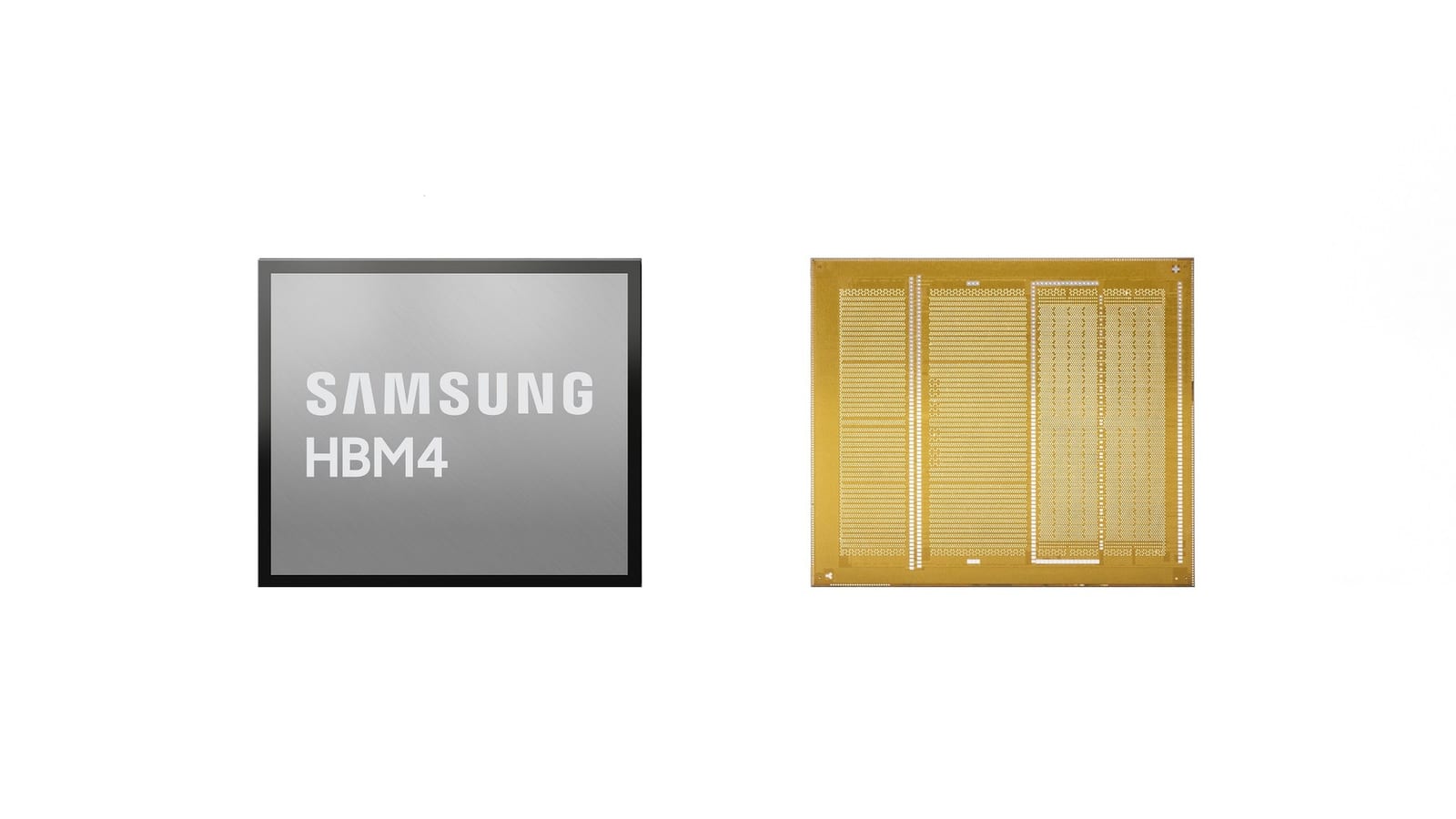
Samsung's record beat couldn't stop a memory stock selloff, and Micron (MU) is caught in it
Samsung posted a record 89.4 trillion won ($58.5 billion) Q2 operating profit, up 18-fold year over year, and the stock still opened lower. Memory names like Micron, SanDisk, and Western Digital are down sharply while the broader Nasdaq 100 barely moved. This is still developing after-hours and can change fast.
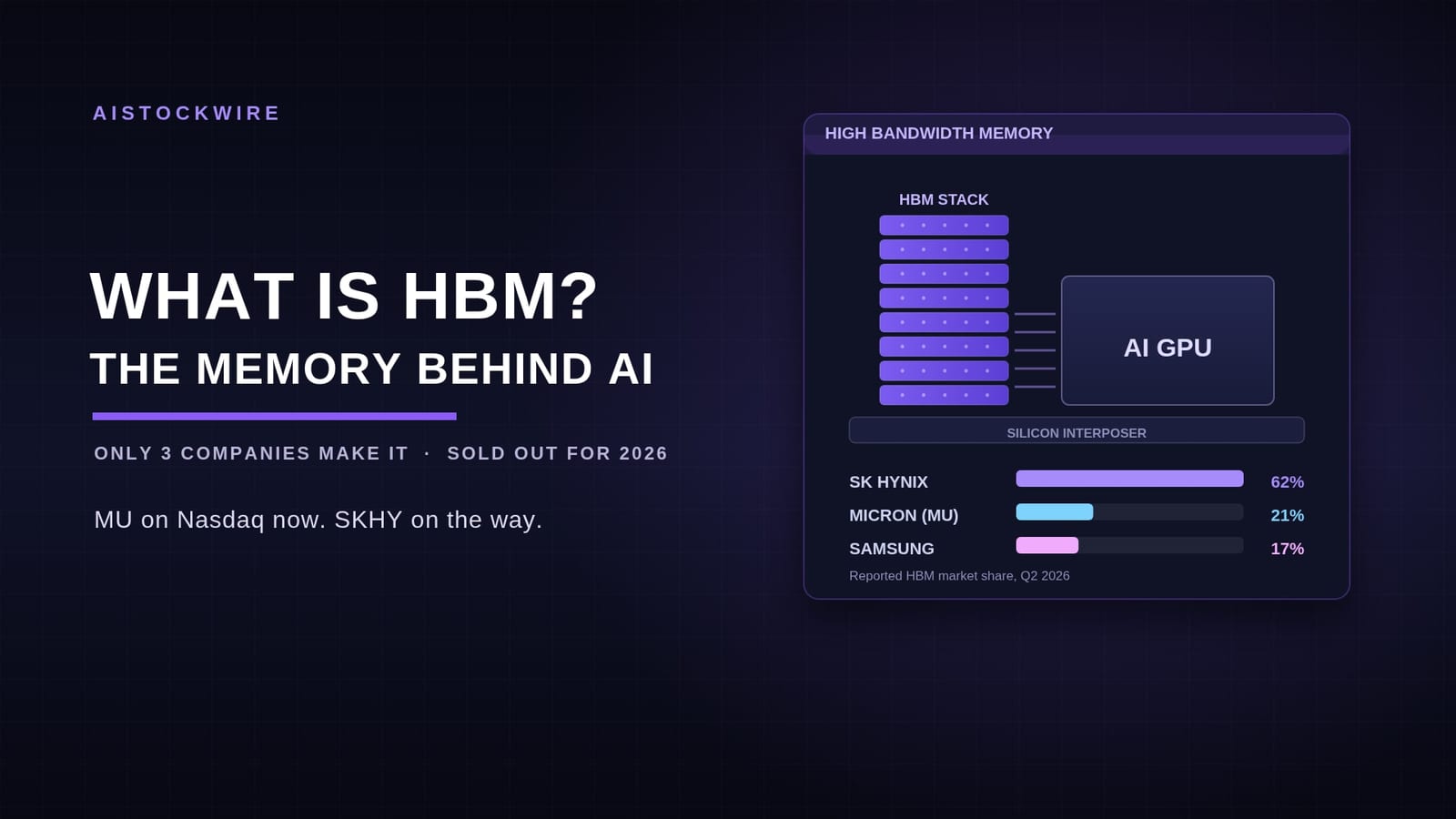
What is HBM? The memory chips powering the AI boom
Only three companies make high bandwidth memory, the chips every AI accelerator depends on, and supply is sold out through 2026. What HBM is, who makes it, and how to invest in it.
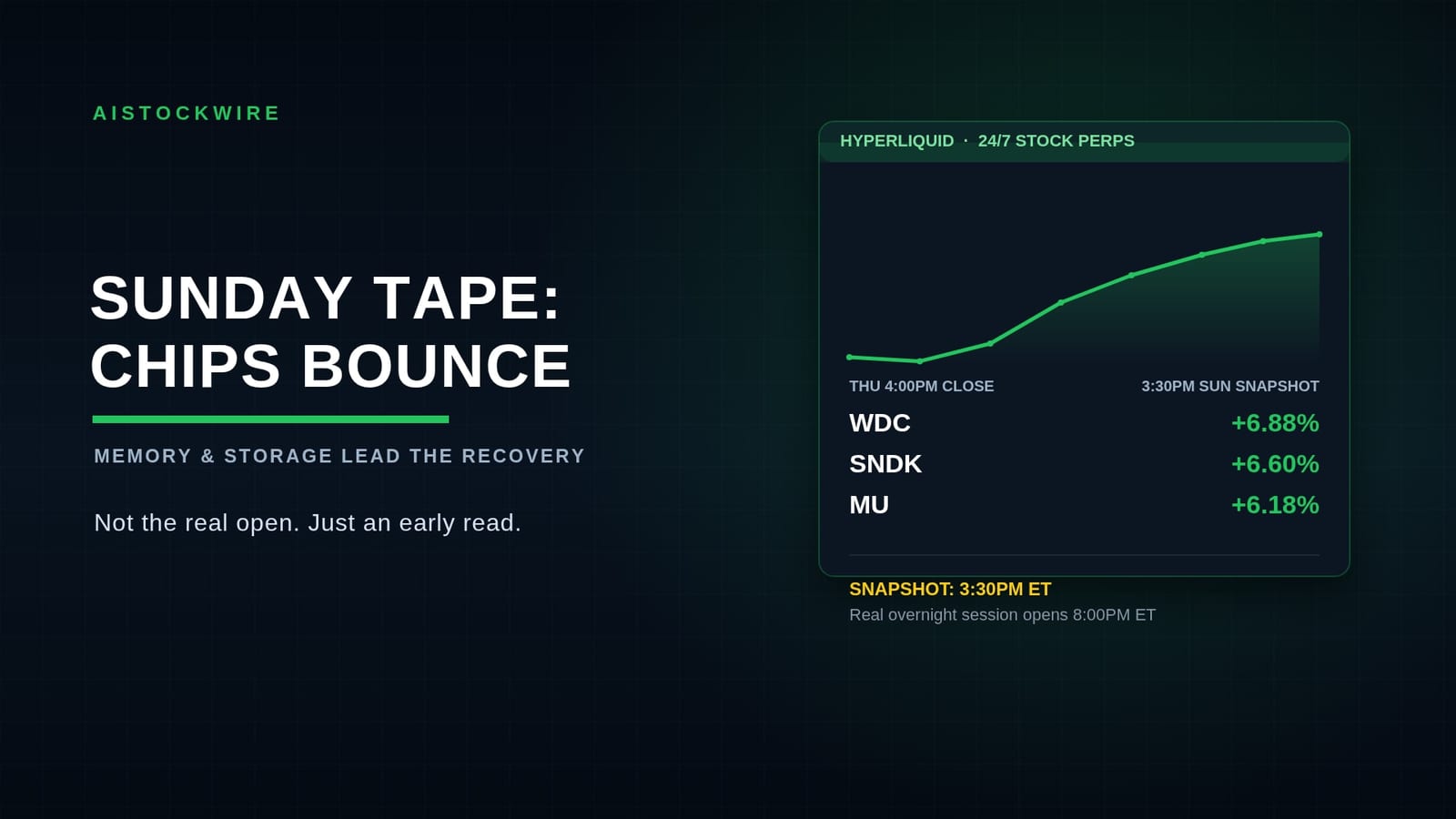
Hyperliquid's Sunday tape shows chip and memory stocks bouncing hard
Western Digital, SanDisk and Micron are all up more than 6% from Thursday's close on Hyperliquid's 24/7 stock perpetuals. Here is the Sunday snapshot, and why it is not the same as Sunday night's real reopen.

Micron (MU), Nebius (NBIS) and chip stocks jump on Hyperliquid's weekend tape
Real markets are closed for July 4th, but tech and chip stocks are trading green right now on Hyperliquid's 24/7 stock perpetuals. Micron, Marvell and Nebius lead the bounce, and the S&P 500 and Nasdaq perpetuals are up too. Here is the full read, and why Monday could look nothing like this.
It is not just the chips: optics, memory and the neo-clouds all sold off this morning
The whole AI build-out sold off Monday morning, not just semiconductors. Optical names like Coherent (COHR) led the drop, memory (MU) and the neo-clouds fell hard, and Nebius (NBIS) was the lone holdout. What is going on.
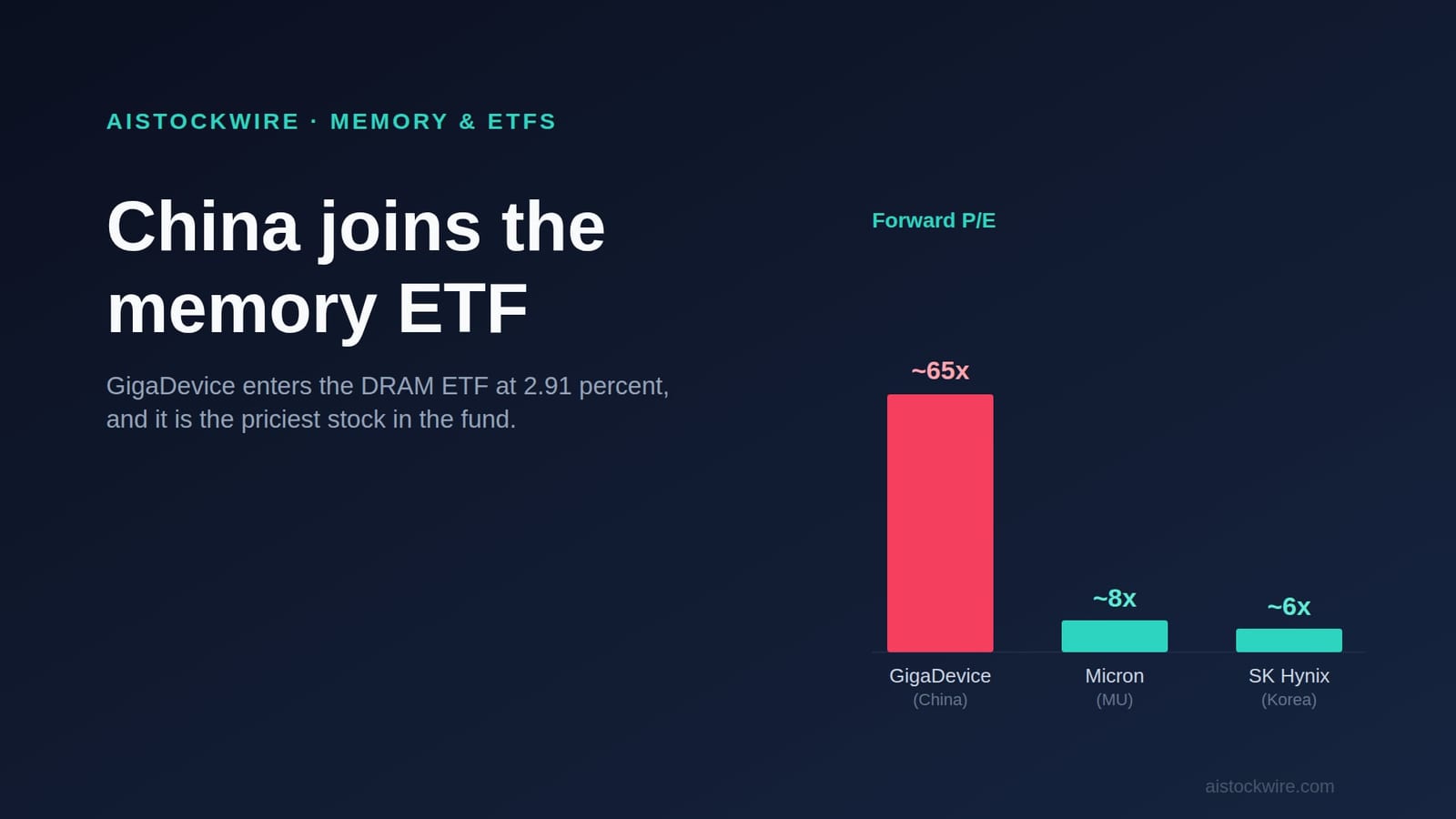
The Roundhill Memory ETF (DRAM) just added its first Chinese stock, and it is the priciest name in the fund
The Roundhill Memory ETF (DRAM) added GigaDevice as its first Chinese holding, and it is the priciest name in the fund. Updated August 1: CXMT is now in the fund too, at a 2.52% weight worth $627.5 million, held through a total return swap.
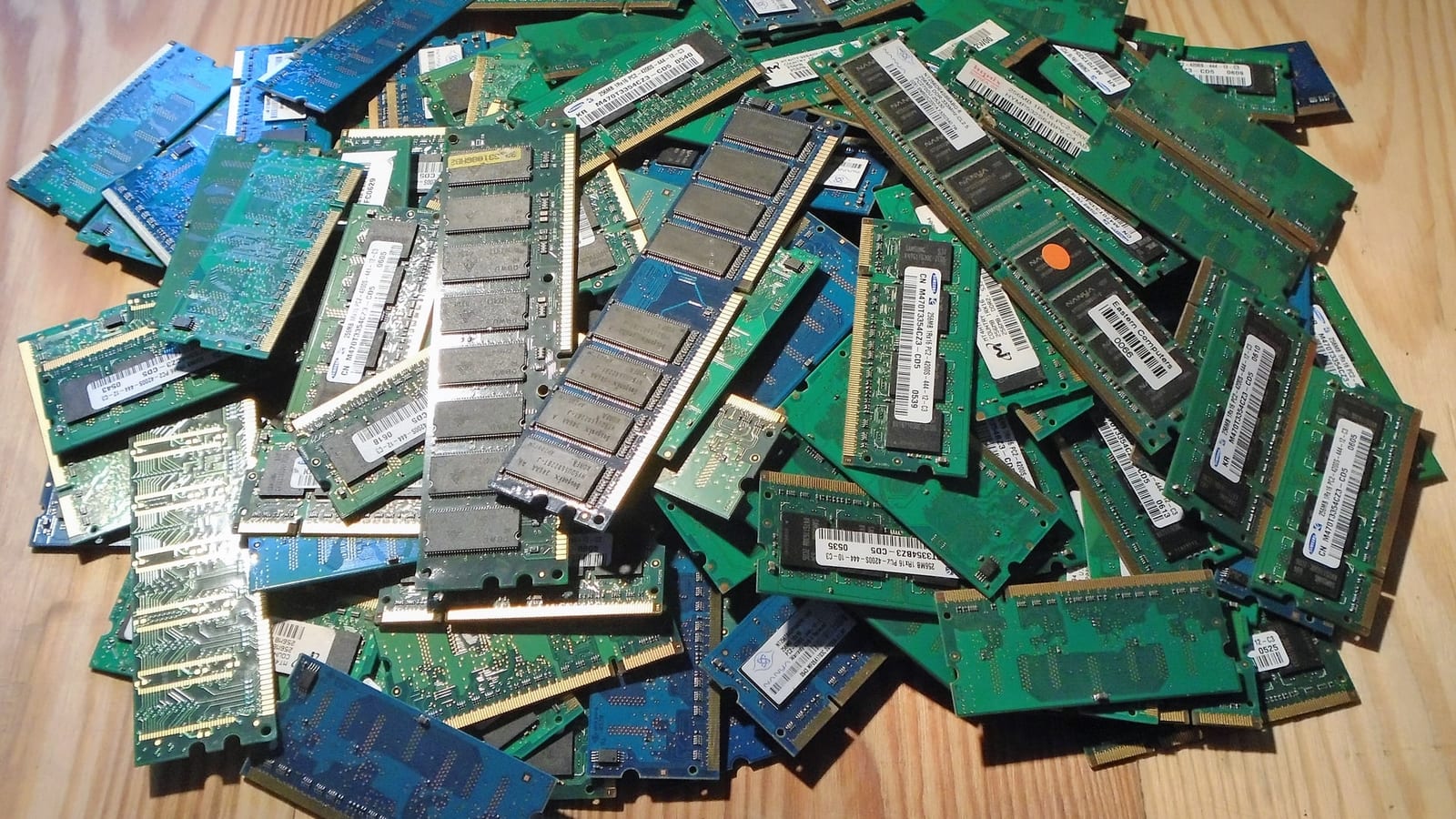
Samsung, SK Hynix and Micron (MU) are all trillion-dollar stocks now. Here is how they stack up against the Mag 7.
The AI memory boom turned Samsung, SK Hynix and Micron (MU) into trillion-dollar companies. Here is how the memory giants stack up against each other and the Mag 7, and the DRAM ETF that packages them in one ticker.
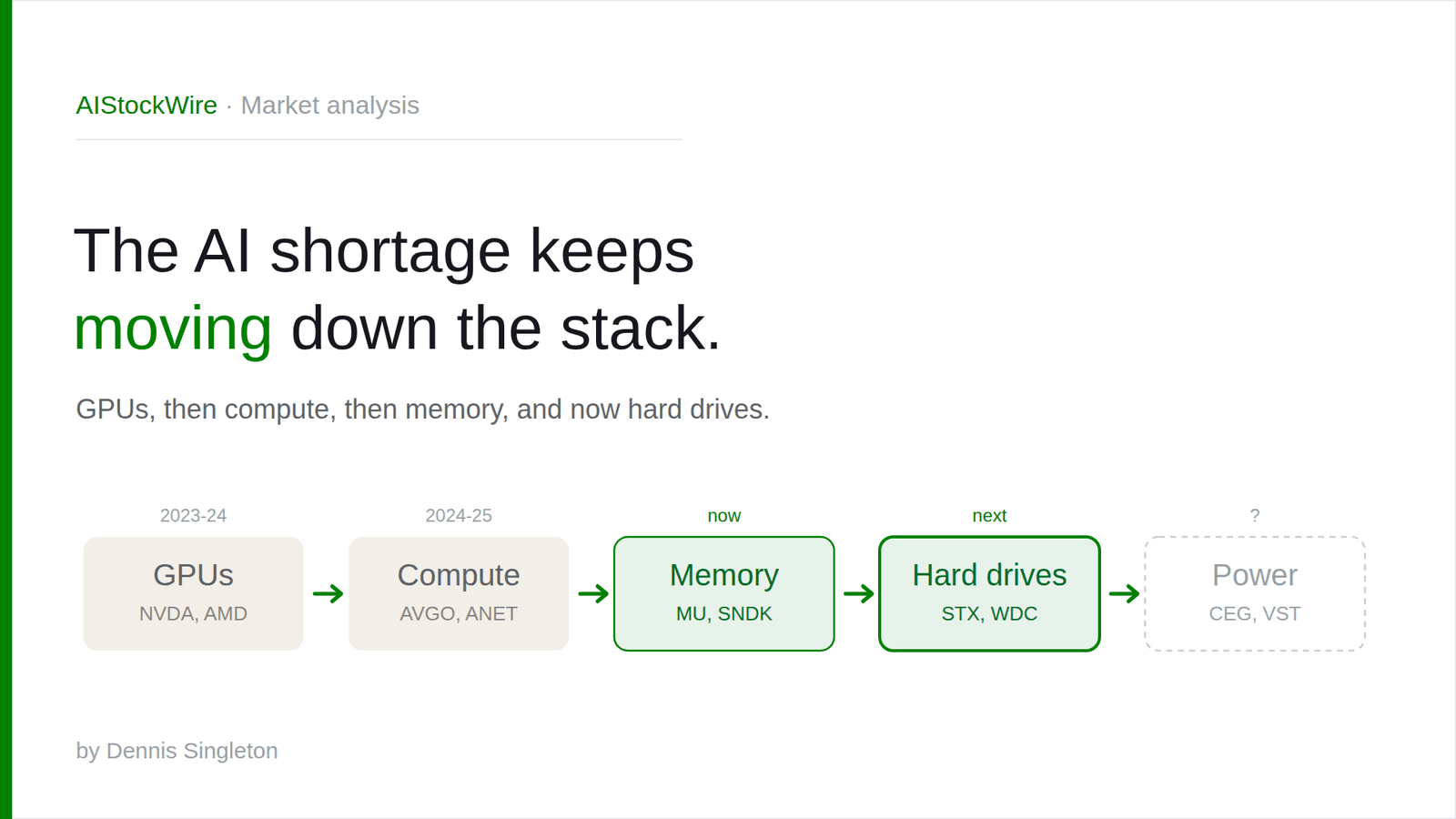
The AI shortage keeps moving: from GPUs to memory, and now to hard drives (STX, WDC)
The AI shortage keeps rotating down the supply chain: first GPUs, then compute and networking, now memory, and hard drives are the leg lighting up next. The pattern, the stock moves at each stage, and what could be next.
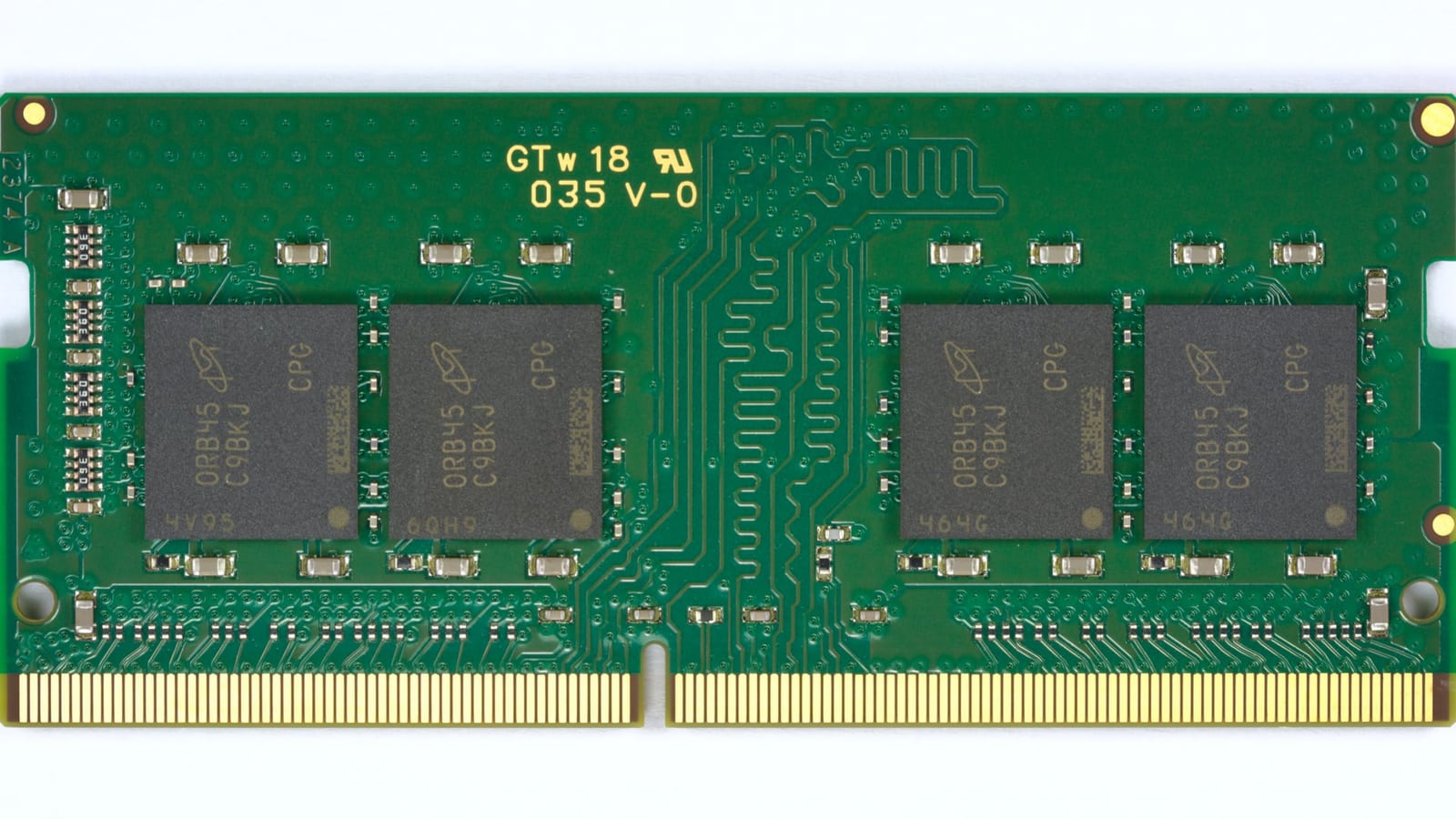
Korea's market halted for the third time this week. Micron (MU) fell overnight, then bounced at the open.
South Korea halted trading a third time this week as SK Hynix and Samsung fell about 9 percent. Micron (MU) dropped overnight, then bounced at the open. Why this memory selloff is about leverage and positioning, not demand.