Kospi just fell for a seventh straight week. SK Hynix (SKHY) says its bigger shareholder payout plan is coming by September 30.
Kospi closed out a seventh straight losing week on August 7, its longest slide since 2022. Two days after SK Hynix said a bigger shareholder payout was coming by year end, it moved that promise up to the third quarter.
Max your 401k match, Roth IRA and HSA before you touch a single stock. Index funds come next, individual stocks come last.
The order I'd actually go in: 401k match, then Roth IRA and HSA, then a broad index fund (or X Money if you want zero market risk), then mega-caps and dividend ETFs, then single stocks last.
SK Hynix approved $38 billion for two new chip plants, one for AI memory and one for NAND flash. The first cleanroom doesn't open until December 2028.
SK Hynix's board approved 54.3 trillion won ($38.3B USD) on August 7 for two new chip plants, one in Yongin for DRAM and one in Cheongju for NAND. Neither makes a chip before 2028, and the company also moved up its 2045 completion target for the whole Yongin cluster to 2033.
SK Hynix's US chip unit is reportedly heading toward Nasdaq. Korea's new spinoff rule might not actually apply.
SK Hynix's US NAND unit Solidigm is raising money toward a possible Nasdaq listing worth up to 50 trillion won ($35.3B USD), four days after Korea's new rule on subsidiary listings took effect. Solidigm wasn't created the way the rule defines a spinoff, so the toughest part of it might not apply.
Korea's stocks crashed. So why is the won hitting a 10-month high?
A falling stock market and heavy foreign selling usually pull a currency down. This week they didn't. The Korean won reached its strongest level against the dollar in about 10 months, helped by exporters selling dollars, SK Hynix's Nasdaq listing, and a softer dollar everywhere.
Korean investors dumped SK Hynix (SKHY) after a report on Nvidia's Rubin Ultra chip. Some analysts say the selloff went too far.
A report says Nvidia is testing versions of its next AI chip that carry less high-bandwidth memory than planned, some with an older kind. SK Hynix, which makes most of that memory, fell about 15% in two days, though some analysts in Korea think the reaction is too big.
SK Hynix reached a $70 billion cash target in four months. It denied a report that shareholders would receive a similar amount.
SK Hynix set a 100 trillion won ($70B USD) net cash target in March and reached it by summer. A June report said it would return a similar amount to shareholders, and the company denied it. Analysts are now landing near the same number anyway.
Samsung and SK Hynix (SKHY) said they will expand shareholder returns. Neither gave a number, and SK Hynix fell 7% in Thursday's first hour.
Both companies sent statements to Reuters on Wednesday, a day after the US rule that had kept SK Hynix quiet since its Nasdaq listing expired. SK Hynix said a concrete plan is coming by the end of the year. Samsung named no date at all. Seoul had already priced in more than that.
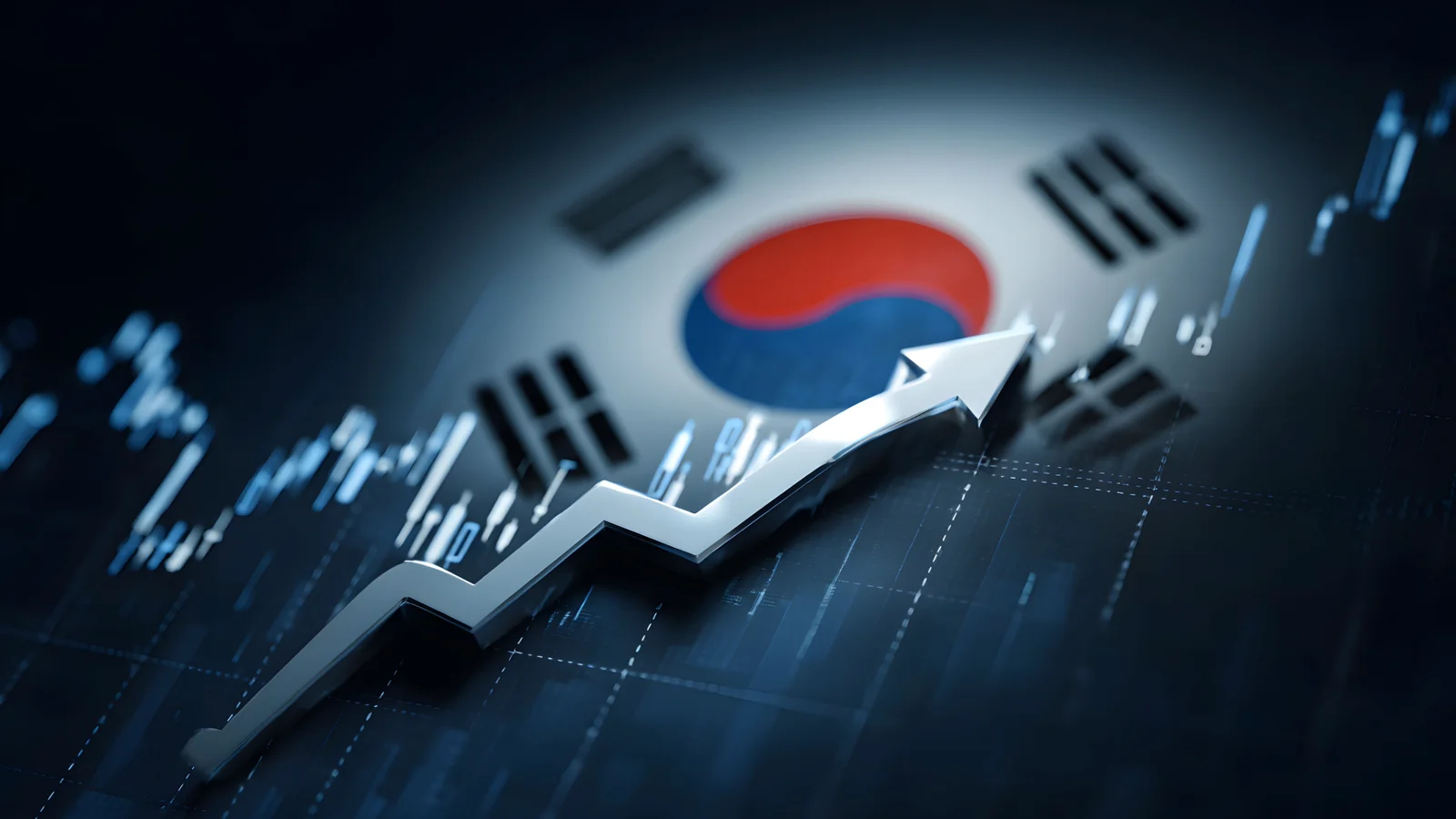
Korea’s Kosdaq fell below 800 and left 307 companies facing delisting. Four sessions later it was up 24%.
Two weeks ago the Kosdaq was under 800 with 307 companies facing delisting tests. It has now risen 24% in four sessions, and on three of them the buying was fast enough that the Korea Exchange froze program orders, something that has never happened three days in a row before.
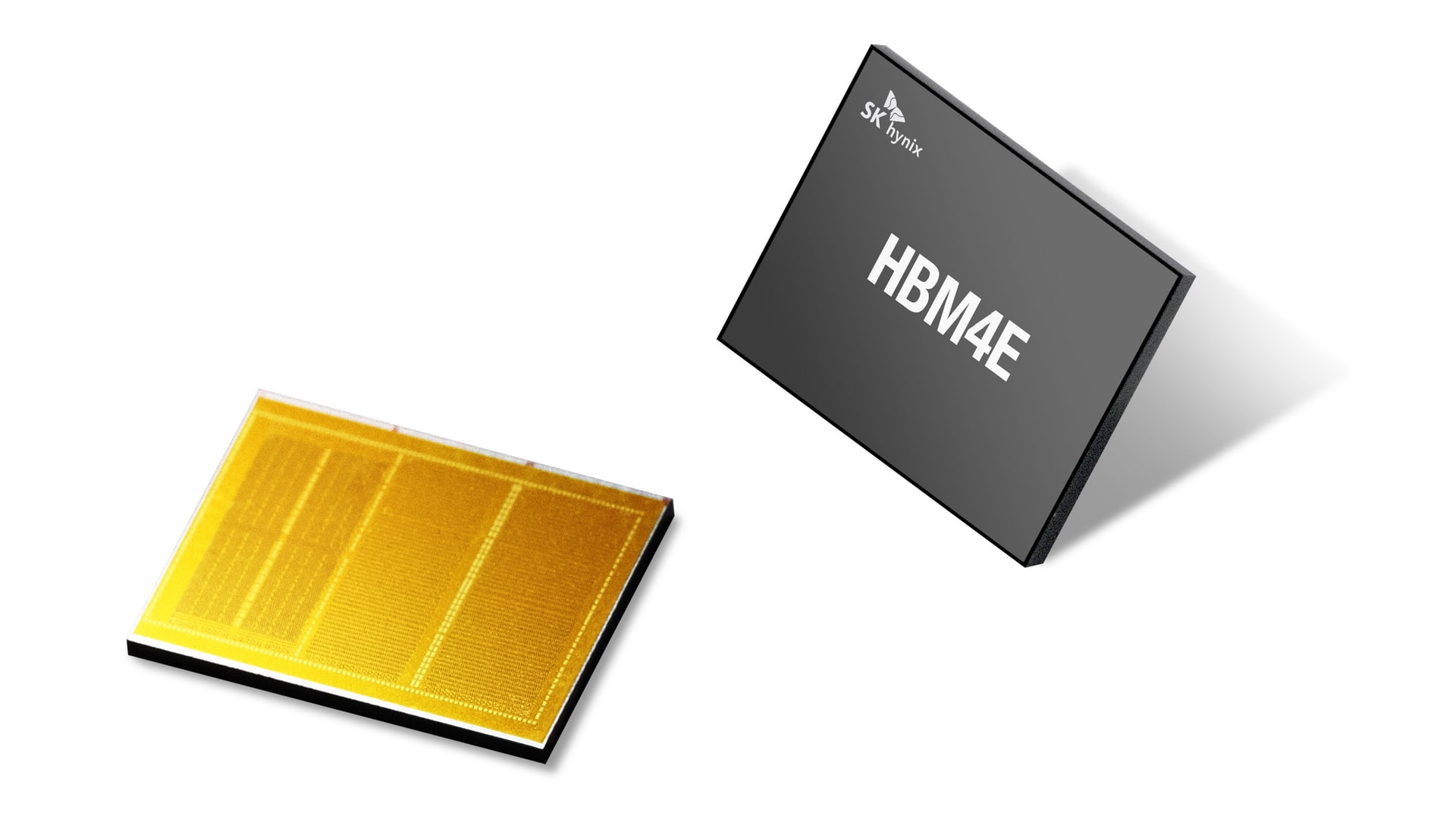
Musk says memory demand grows 200% a year against 20% supply. The new Micron (MU) and SK Hynix (SKHY) plants open in 2027 and 2028
Elon Musk did the memory math out loud on SpaceX's call: supply up 20% a year, demand up 200%. Microsoft put $25 billion of its capex on memory and Amazon named it too. The plants that would fix it open in 2027 and 2028.
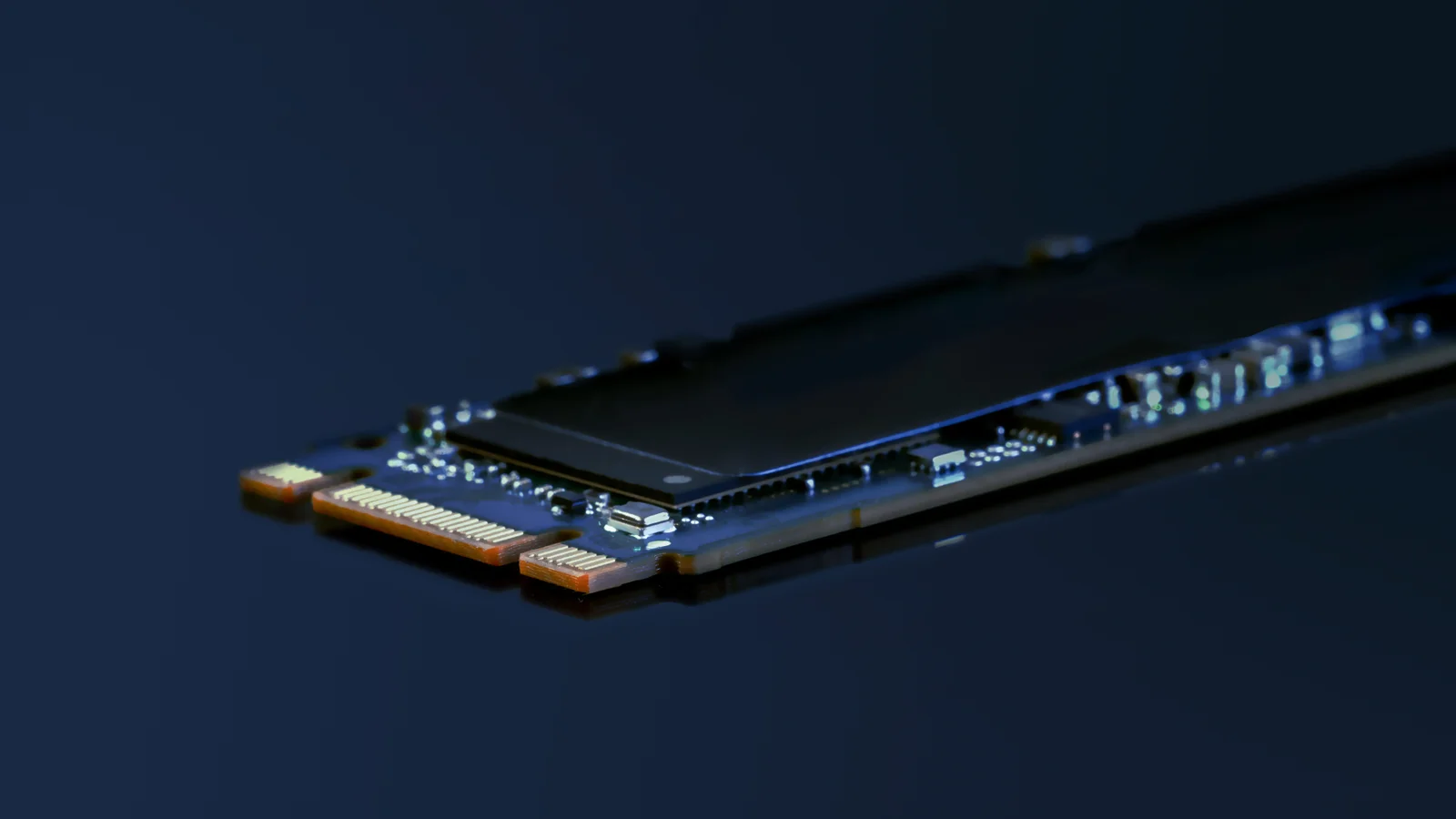
CoreWeave (CRWV) secured priority SSD supply from SK Hynix's Solidigm in a multi-year deal, but key terms weren't disclosed.
CoreWeave announced a multi-year agreement with Solidigm for priority access to enterprise SSD capacity. The release carried no dollar value, no term length and no capacity figure, which is not how CoreWeave's $21 billion Meta agreement read. Enterprise SSD contract prices rose about 80% in the first quarter.
Korean media says Apple (AAPL) asked CXMT for cheaper memory. CXMT quoted more than Samsung and SK Hynix (SKHY)
Digital Daily reported on August 5 that Apple asked China's CXMT to lower its price on LPDDR5X mobile memory and was refused. CXMT quoted the same as Samsung Electronics and SK Hynix, or higher, and the floor under ordinary memory prices held.
Bloomberg said Korea's stock market is becoming uninvestable. The regulator fired back that night, over one number.
A Bloomberg Opinion column counted 33 days this year when the Kospi moved 5% or more, against four for the Nikkei and none for the Hang Seng. Korea's Financial Services Commission called its forced-selling figure unsourced.
Palantir (PLTR) grew revenue 93%, raised its full-year forecast by $500 million, and is still a third below its high.
Palantir reported second quarter revenue of $1.935 billion, up 93% from a year earlier, and adjusted earnings of $0.41 a share. It raised full year revenue guidance by about $500 million. Shares were up more than 8% in early after-hours trading.
The AI trade rallied Monday. Memory fell as much as 8% at the open even as chip prices kept rising.
Micron (MU) has lost a third of its value since June 25 and SanDisk nearly half. CoreWeave and Vertiv fell about half as far, and Nvidia rose. Memory contract prices never fell. What changed is the rate of increase, which went from 93-98% a quarter to a forecast 13-18%.
Samsung Electronics and SK Hynix are close to half the Kospi. They fell almost 9% on Monday and took the index down 5.12%, while Korea's smaller companies rose.
The Kospi closed down 5.12% on August 3, giving back a third of the record rise it had on July 31. Foreign and institutional investors net sold 4.3814 trillion won ($3.06 billion USD) of Samsung Electronics and SK Hynix on the day, and almost nothing else. The Kosdaq rose 2.44% in the same session.
Korea's new rule pushed investors out of Samsung and SK Hynix leverage funds. They moved 500 billion won into a bet against the whole index instead.
Korea's 30 million won cash rule covers single-stock leverage products only. On its first day investors net sold over 1 trillion won of those and net bought about 500 billion won of index inverse funds the rule does not touch, on the day the Kospi rose a record 17.91%.
Semiconductors made up 41.5% of everything South Korea exported in July. It was the country's second-biggest export month on record. So why did its stock market fall 22%?
South Korea exported $98.89 billion of goods in July, its second-biggest month ever, with semiconductors alone at $41.01 billion. The same month, the Kospi fell 22.19%, the largest monthly drop of any major world index.
Korea's new $21,000 cash rule cut trading in its 2x Samsung and SK Hynix funds by 76% in one day. The Kospi still rose a record 17.91%, and the real test comes Monday in Seoul.
Korea now requires about $21,000 in cash before an investor can buy the 2x funds on Samsung Electronics and SK Hynix. Trading in them fell 76% on the rule's first day, while the Kospi rose a record 17.91% in the same session. Seoul's Monday open is the first clean test of whether the rule calms the market.
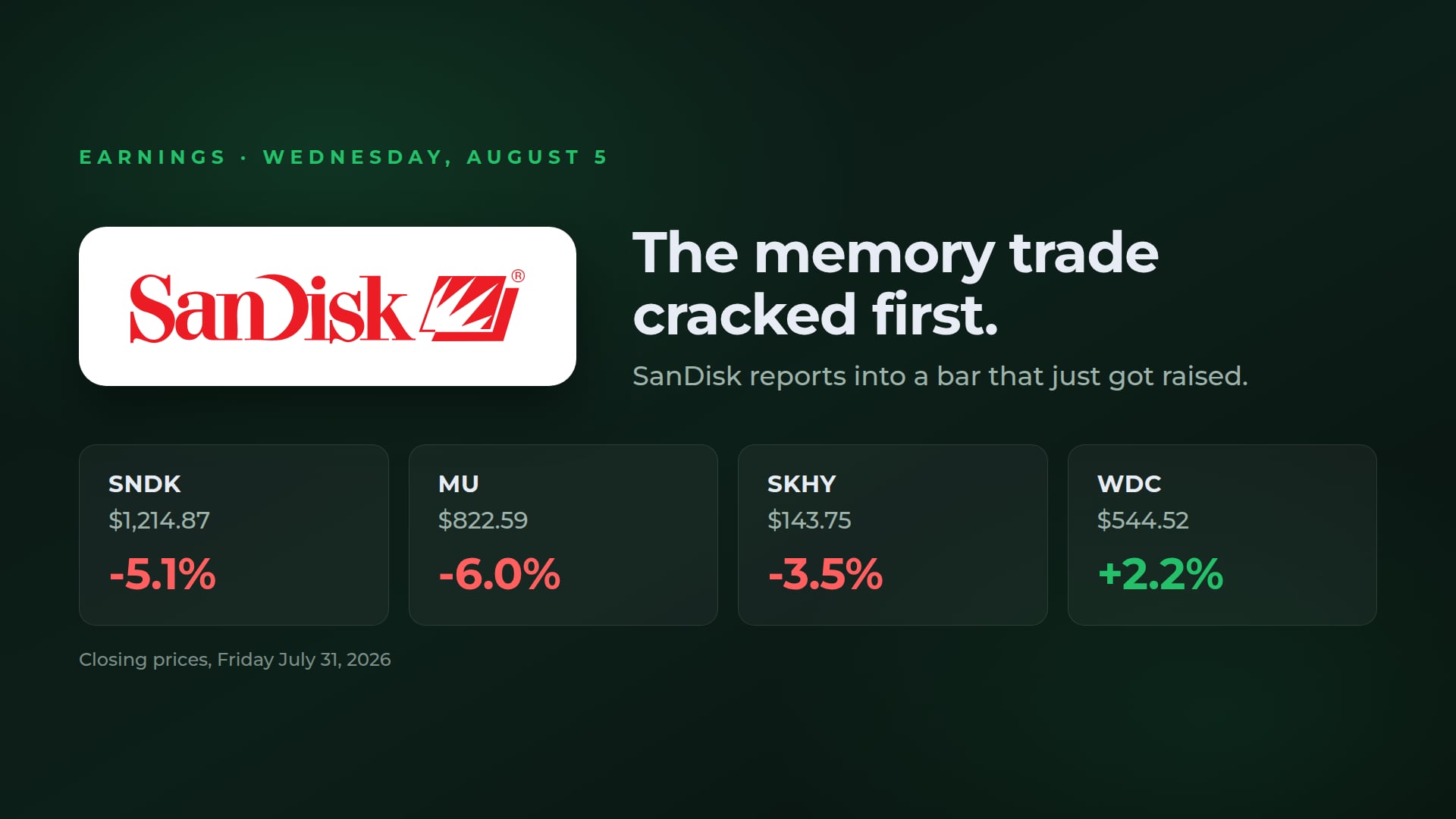
SanDisk (SNDK) beat every line and guided way above consensus. The stock fell anyway.
SanDisk (SNDK) reports fiscal Q4 on August 5 with Goldman's target at $2,200 and the stock at $1,214.87 after a 5.1% Friday drop. SK Hynix printed a 76% operating margin on July 29 and Seoul still closed down 9.61%, because revenue missed consensus by 5.5%.
You cannot buy China's CXMT in the US. You can buy the Roundhill Memory ETF (DRAM), which has $627 million riding on it.
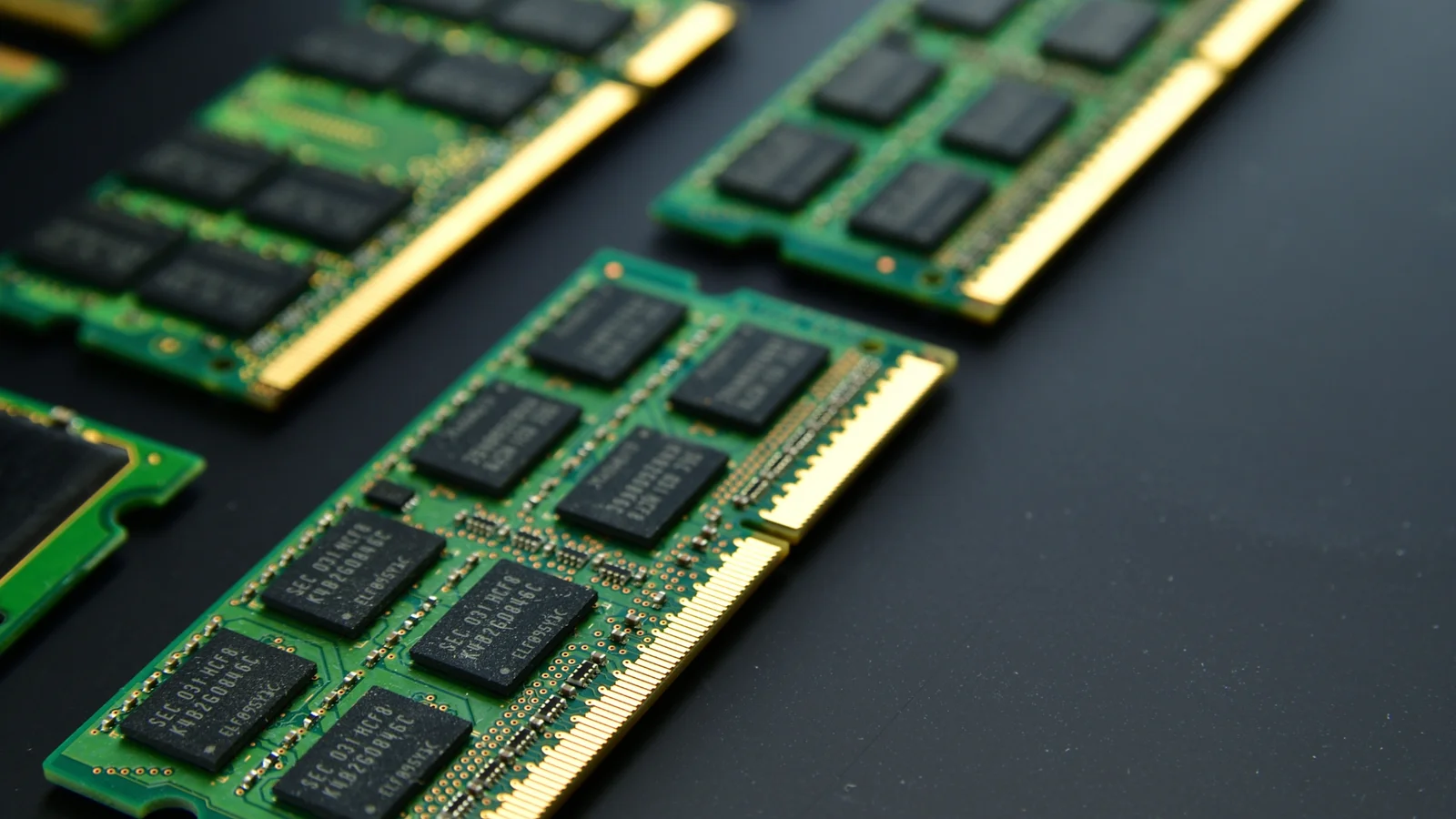
The Roundhill Memory ETF (DRAM) added a $627.5 million CXMT total return swap at a 2.52% weight, five days after CXMT's Shanghai listing. The position is bigger than GigaDevice, and there was no CXMT line in the fund's July 23 file.
Kioxia is the memory chip maker that passed Toyota as Japan's most valuable company, then fell 66%. Here's who owns it
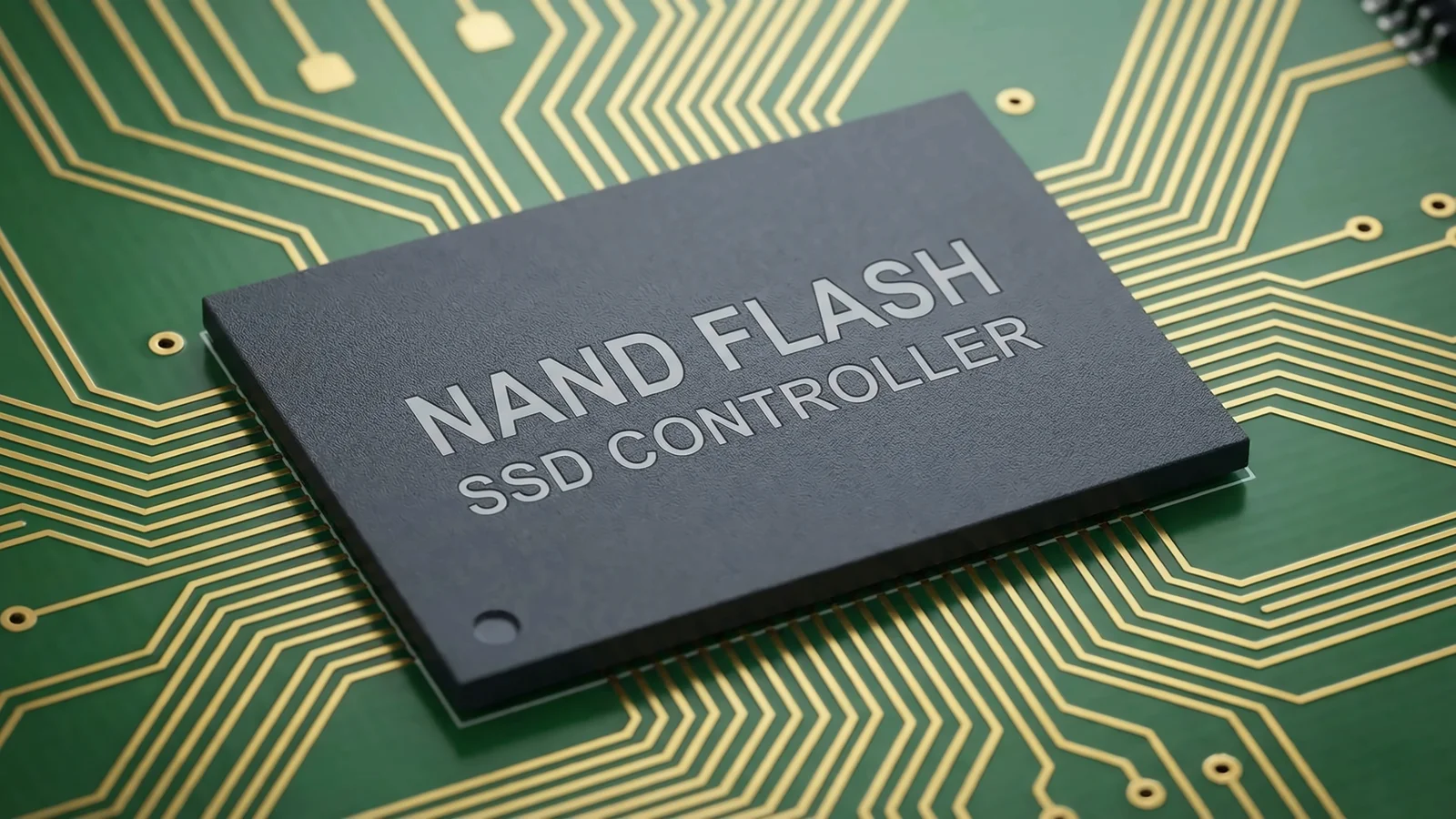
Kioxia is the former Toshiba Memory, and it makes NAND flash and nothing else. Toshiba still holds 15.10% and keeps selling, an SK Hynix (SKHY) vehicle holds 14%, and Sandisk (SNDK) co-owns the factories. What the company makes, who owns it, and how a US investor can reach it.

SK Hynix's record Nasdaq listing named Leopold Aschenbrenner's Situational Awareness a cornerstone investor. What he actually bought stays hidden until November.
Situational Awareness was named a cornerstone investor in SK Hynix's $28 billion Nasdaq debut three weeks before it sold its US stock portfolio to Citadel. Four SEC disclosure routes could show the size of that stake. Every one of them misses.
Chey Tae-won ran SK Hynix for 14 years without owning a share. With the stock down 56%, he bought 4.79 billion won of it.
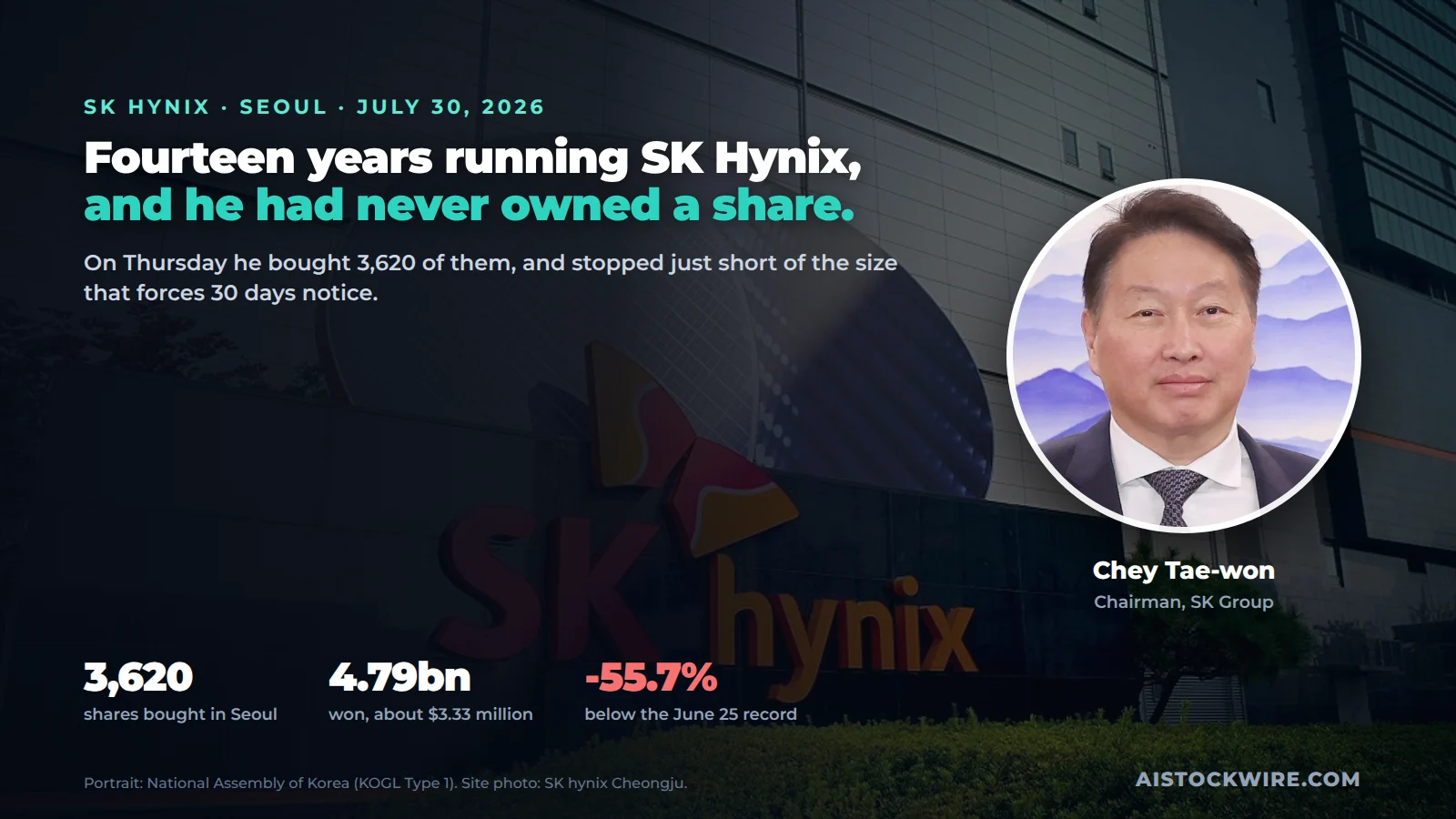
Chey Tae-won has run SK Hynix since 2012 without ever owning a share of it. On July 30 he bought 3,620 of them for about 4.79 billion won ($3.33 million), stopping just under the 5 billion won line that would have forced him to announce it 30 days early.