Growing up, nobody in my school knew what Korea was. Now it's the world's No. 3 AI power.
My classmates knew exactly two Asian countries. Stanford's AI Index 2026 now ranks South Korea third in the world in AI models, and the memory chips behind the whole AI trade come from Seoul.
China's top DRAM maker ChangXin (CXMT) lost money a year ago. It just earned $10.8 billion in six months
China's largest DRAM maker reported 150.31 billion yuan ($22.4 billion) in first-half revenue, up 873.6%, with profit 36% above its own IPO forecast.
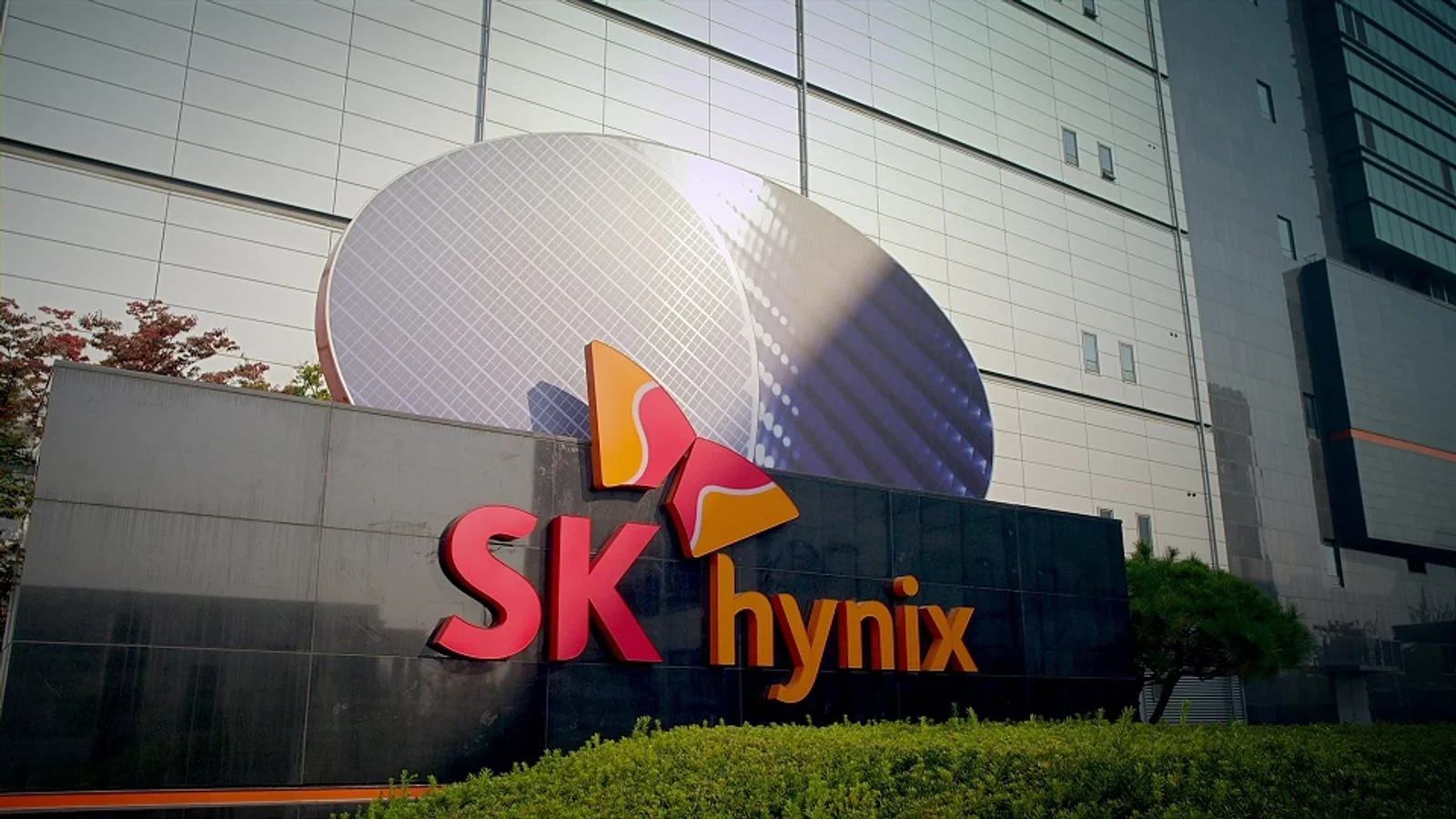
SK Hynix (SKHY) breaks ground on $4 billion Indiana HBM plant as production slips to 2029
SK Hynix broke ground Thursday on its first US plant, an advanced packaging site for AI memory in West Lafayette, Indiana. The company now targets mass production in the second half of 2029. Its CHIPS Act award said 2028.
Three days after announcing its record payout, Samsung fell as much as 7.3% Monday morning.
Samsung Electronics fell as much as 7.3% in Seoul trading Monday, three trading days after announcing a record 90 to 110 trillion won ($65.1B to $79.6B USD) payout. SK Hynix, which raised its own payout target the same week, held close to flat.
SK Hynix stock costs $1,248 a share in Korea. Will it follow Samsung with a split?
SK Hynix (SKHY) shares closed at 1.73 million won ($1,248) on Friday. Chairman Chey Tae-won says he would consider a split if enough people ask, though the company's own CEO has downplayed the idea.
Korean investors poured $85.6M into Roundhill Memory ETF (DRAM) in one week. The fund already holds Samsung and SK Hynix.
Korean retail investors bought $85.61 million of the Roundhill Memory ETF in a single week, their second-biggest US purchase after Alphabet. The fund is 26.19% Samsung Electronics and 21.61% SK Hynix, two stocks they can buy at home in won.
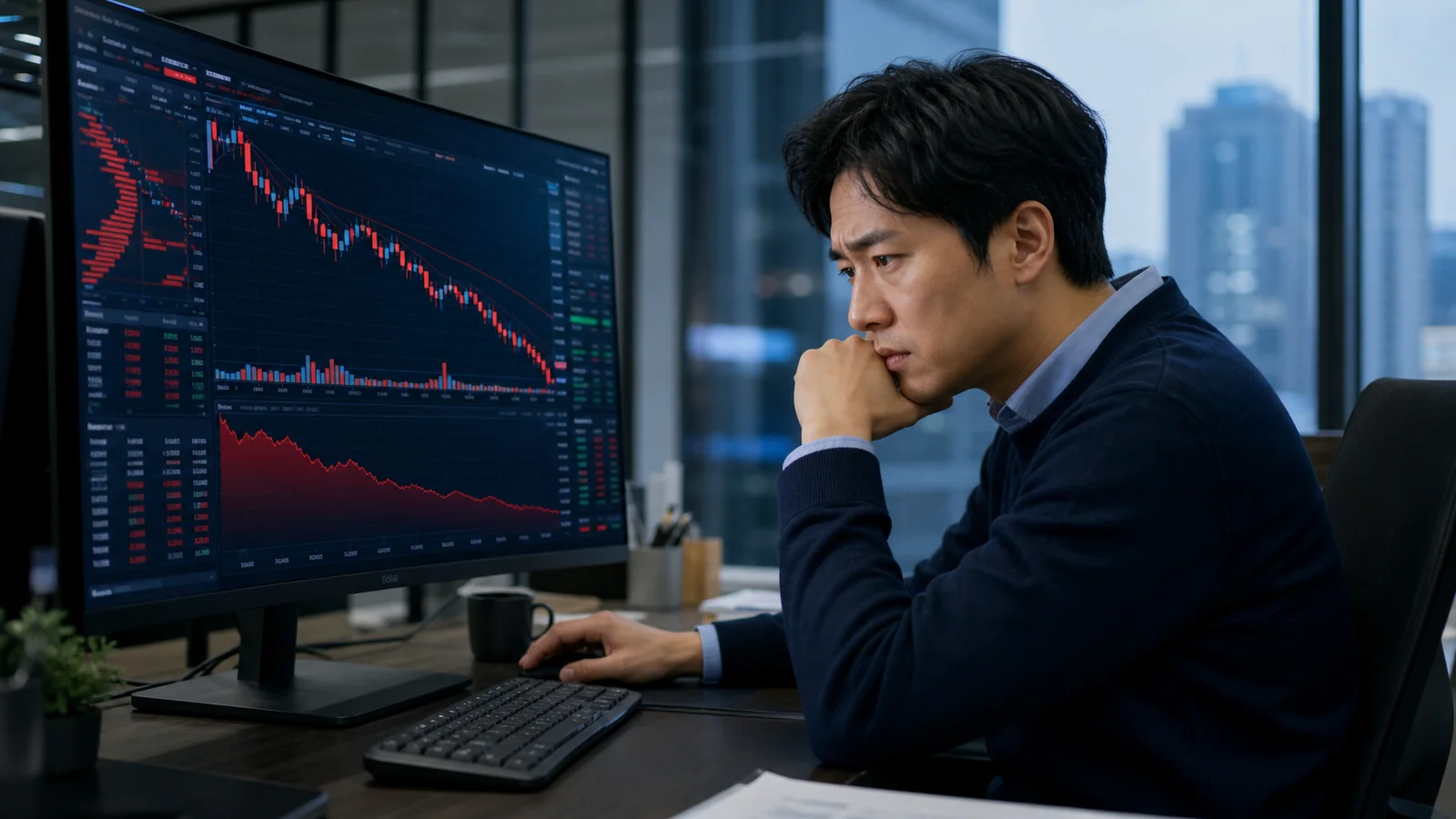
A Korean investor cashed out a savings account for chip stocks in July and lost close to half. Their parents' retirement money went into the same funds.
A 35-year-old cashed out a 100 million won savings account for Korean chip stocks in early July and has about 60 million won left. That was savings, not borrowed money. Korean household credit passed 2,000 trillion won for the first time, with loans outside mortgages growing faster than home loans.
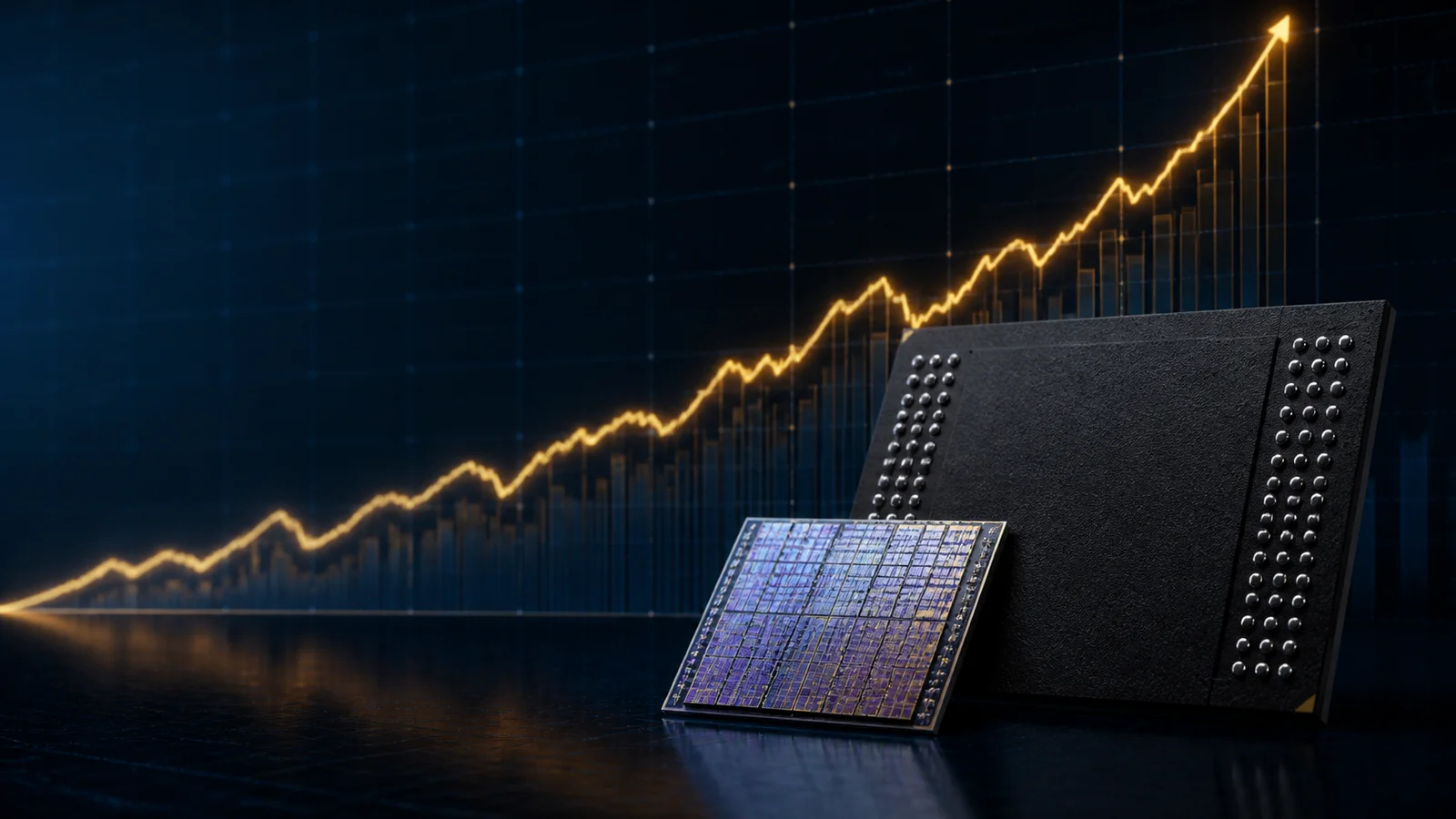
Memory chip prices are soaring. So why are Micron (MU), SanDisk (SNDK) and SK Hynix (SKHY) falling?
Korea's chip exports nearly tripled in the first 20 days of August and its semiconductor export price index has quadrupled since 2023. Micron, SanDisk, SK Hynix, Samsung and Kioxia all peaked within one week in June and have fallen 21% to 51% since.
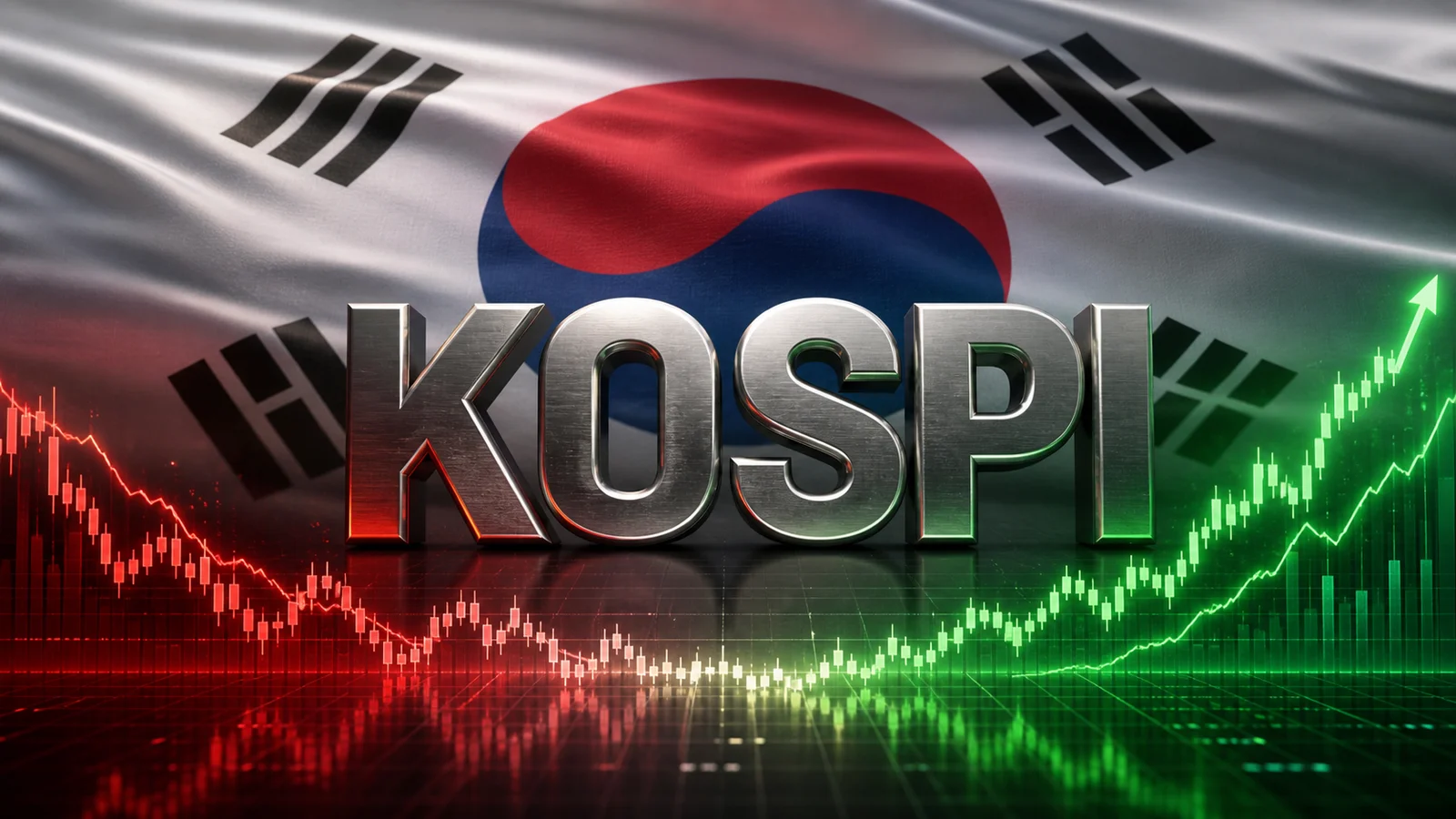
Kospi rebounds 5.89% after worst day in weeks as SK Hynix announces $28.6 billion buyback
The Kospi fell 5.80% on Wednesday, its worst day in weeks, then rose 5.89% the next day. SK Hynix's $28.6 billion buyback and easing global interest rates drove one of its sharpest two-day reversals this year.
CoreWeave (CRWV) signed a multibillion-dollar AI cloud deal with Hudson River Trading, but neither company disclosed the terms.
CoreWeave signed a multi-year deal with Hudson River Trading to power the quant trading firm's AI research on Nvidia Vera Rubin NVL72 and HGX B200 systems. Neither company disclosed a dollar figure. It's CoreWeave's latest large infrastructure deal after a $21 billion Meta contract and a $104 billion revenue backlog.
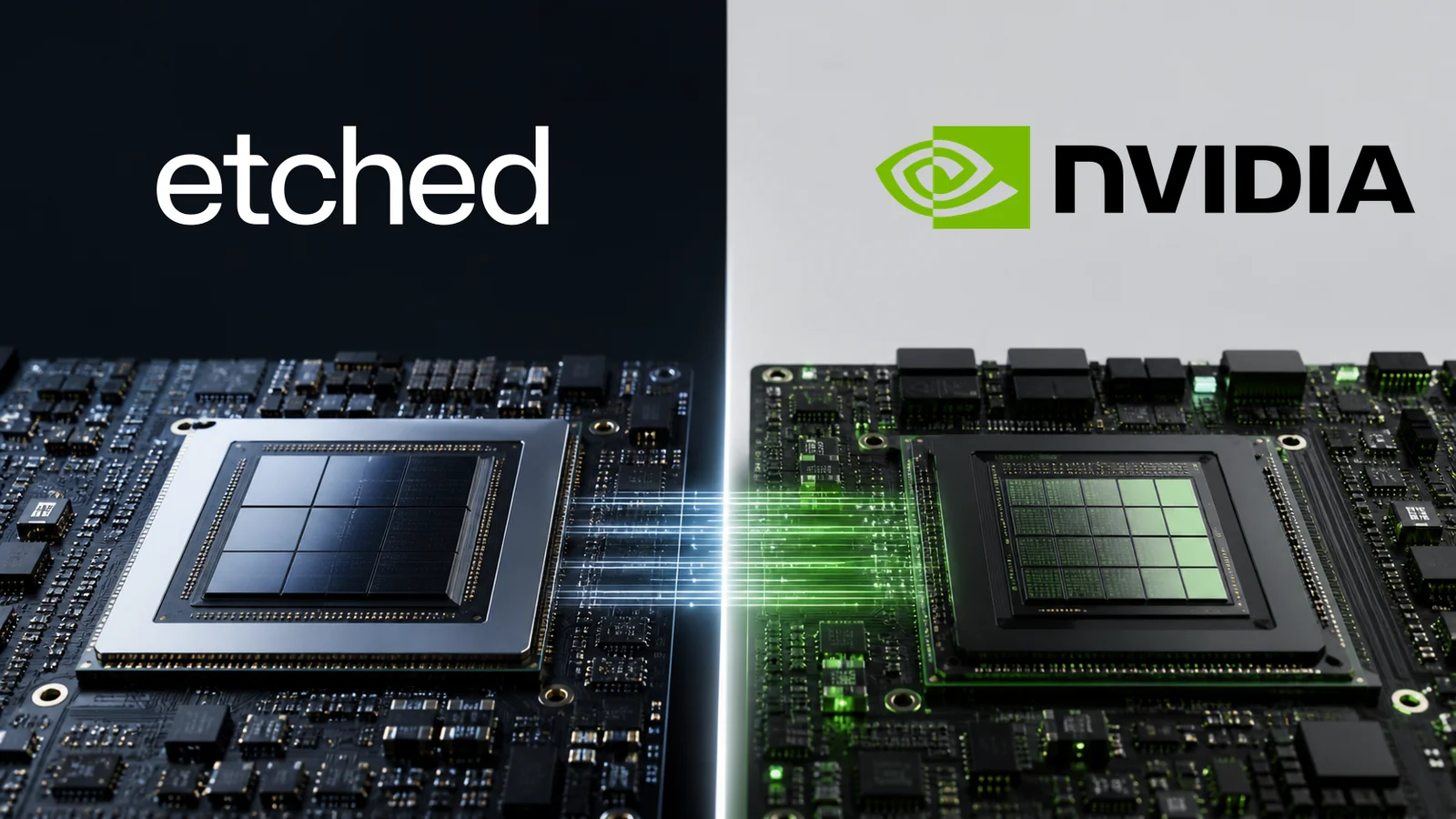
Michael Burry says Etched is 'serious competition' for Nvidia. The catch is what its chip can't run.
Michael Burry, who has bet against Nvidia (NVDA) all year, called AI chip startup Etched 'serious competition' on Tuesday. Etched's Sohu chip is 10 to 20 times faster at one job, but it can't run several of the model types teams deploy most, and it's raising at up to $21 billion before shipping at scale.
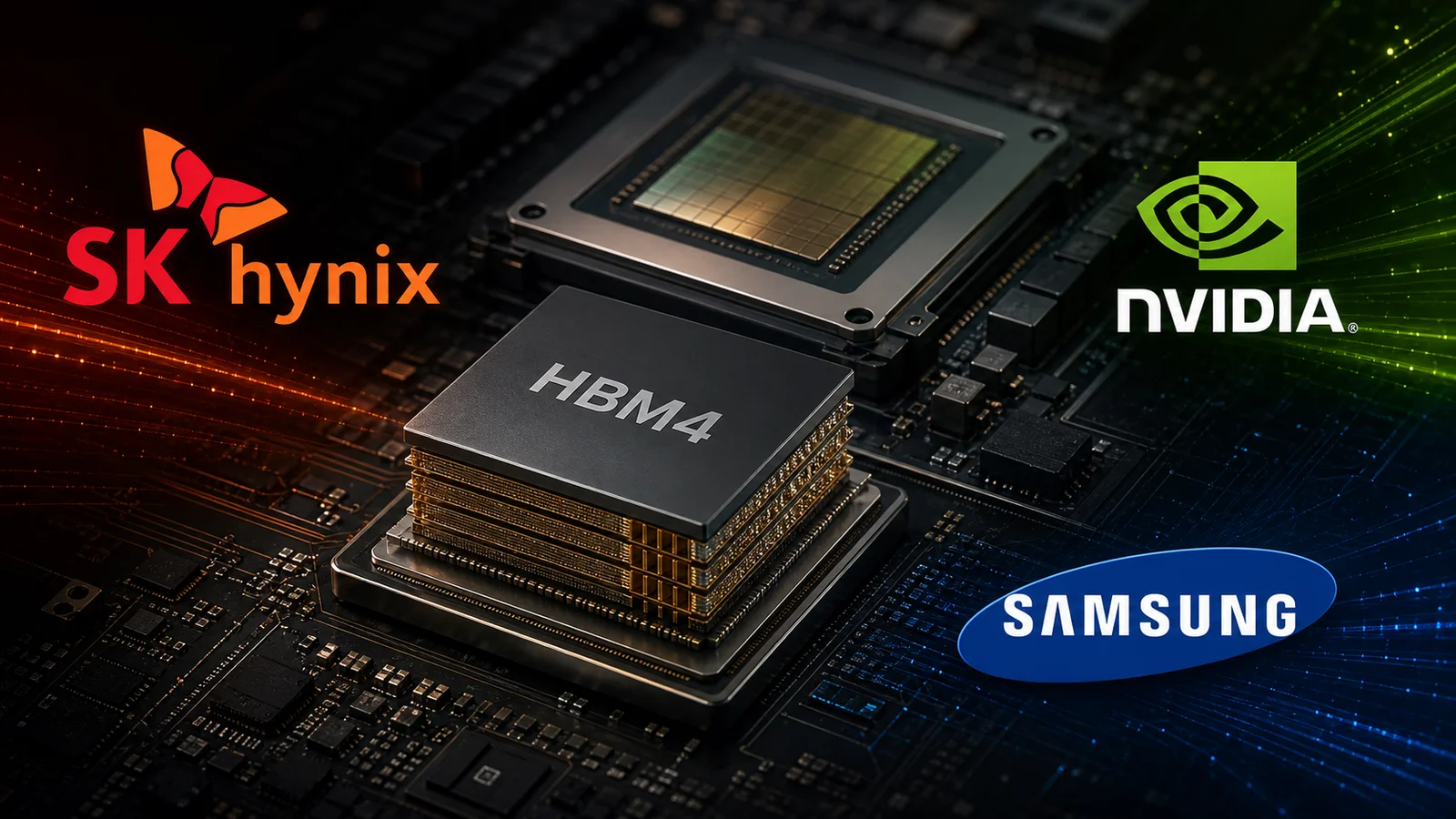
SK Hynix’s (SKHY) HBM4 may cost Nvidia (NVDA) nearly twice as much as HBM3E. Samsung wants the same deal.
Two research firms estimate SK Hynix's HBM4 costs Nvidia about twice as much per gigabyte as HBM3E. SK Hynix has not confirmed the number, and Samsung Electronics is chasing the same price for its own HBM4.

The AI trade rotates to a new sector every week. Which one is it going to be this week?
The AI trade has rotated by sector almost every week: software, then photonics, then memory. So which corner of AI runs next? I make the case for the one group that keeps riding along without ever leading.
Samsung could return $141 billion a year to shareholders as SK Hynix weighs $70 billion payout
The Kospi climbed back near 7,000 last week, led by Samsung and SK Hynix. Now the market's waiting on how much cash each will return to shareholders, with estimates as high as $141 billion for Samsung and $70 billion for SK Hynix.

The Kospi rebounded 11%. Korea's leveraged investors did not.
The Kospi rose about 11% in a week, but the rebound came too late for the investors who bet on Samsung and SK Hynix leverage with borrowed money, and it does little for the ones still holding those funds.
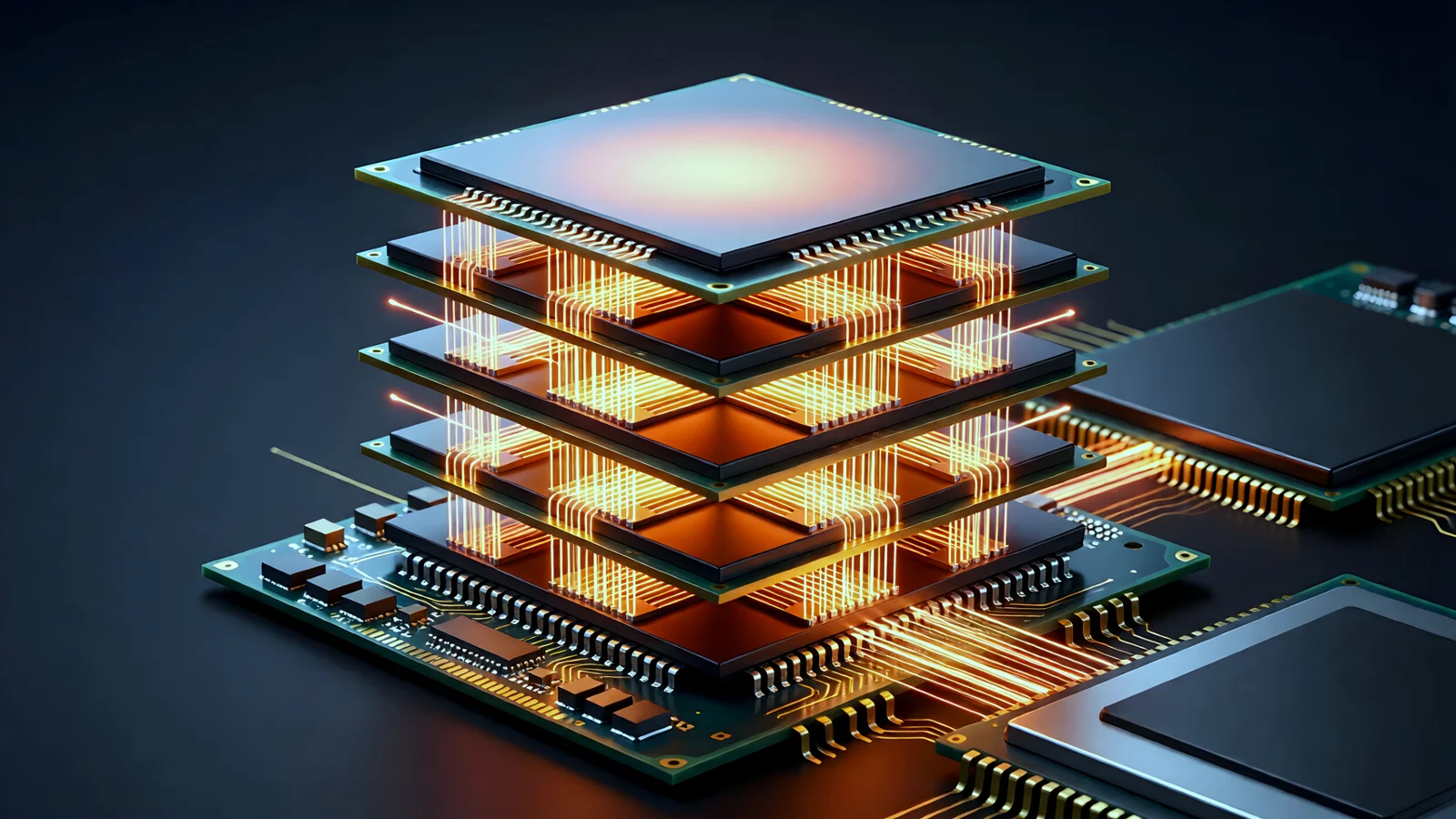
Memory is the bottleneck for AI, and the shortage is real
Elon Musk amplified a post calling memory, not compute, the limit for AI, and memory stocks ran. The shortage is real: demand is growing far faster than supply, and the new SK Hynix and Micron plants do not open until 2027 and 2028.
Applied Materials (AMAT) posted a record quarter and guided higher. Shares fell in extended trading
Applied Materials posted its highest quarterly revenue ever, beat Wall Street on both lines and guided the fall quarter higher. The stock still fell. DRAM is now 26% of equipment sales.
SK Square rose 9% on Wednesday, more than SK Hynix itself. The difference is a payout SK Hynix hasn't announced yet.
On August 13, SK Hynix rose almost 6% with an overnight US chip rally. SK Square, the holding company that owns about 20% of SK Hynix, rose 9%, more than the chipmaker itself. The difference is a payout SK Hynix hasn't announced yet.

South Korea makes first-time leveraged fund buyers practice before risking real money. Trading in those funds already fell to one-thirteenth of its level.
From August 19, Koreans buying a single-stock leverage or inverse ETF for the first time will have to complete five days of mock trading, about five hours in all, before they can put in real money. It comes on top of a 30 million won ($21,200 USD) cash deposit that already cut trading in these funds to about one-thirteenth of its level.
SK Hynix just became the biggest shareholder of Japan's Kioxia. A deal it signed in 2018 blocks it from taking control until 2028.
SK Hynix indirectly became Kioxia's largest shareholder through a 2018 convertible-bond deal, but a voting cap and antitrust hurdles keep it from taking control. The same week, its Solidigm unit moved to restart a stalled NAND plant in China.
Samsung catches SK Hynix on HBM4 as 2027 forecasts flip the race
Samsung has lifted its HBM4 yield to about 80% in six months, level with SK Hynix. For the first time, UBS and KB Securities expect Samsung to pass SK Hynix in high-bandwidth memory in 2027, turning a technology race into a contest over who can supply Nvidia at scale.

Samsung carried the Kospi on Tuesday on growth beyond memory. It rose 4.13% while SK Hynix stayed flat.
Samsung Electronics rose 4.13% on Tuesday and carried the Kospi higher while SK Hynix barely moved. Strong August chip exports lifted both, but Samsung has a foundry business and a new robot unit that give investors a reason to own it beyond memory.
SK Hynix's Solidigm would be the fourth listed company in one SK chain. Korea's new rule has a 10% hole.
If SK Hynix's Solidigm lists on the Nasdaq, four listed SK companies would sit in a single line of control. Korea's new duplicate listing rule exempts subsidiaries that are under 10% of the parent, and Solidigm is under it on all three tests.
Korea's young and old borrowed to chase stocks. Then the market fell 43.9%, and they started missing payments.
Data the Financial Supervisory Service prepared for a lawmaker on August 9 shows 63% of the money borrowed against Korea's five most valuable stocks belongs to investors 60 and over. The two age groups now falling behind on their bank loans are the youngest borrowers and the oldest.