Key points
- DHS added 43 Chinese companies to the UFLPA Entity List on July 31. The list reaches 187 entities on August 3, a 30% increase and the largest expansion yet.
- Two of the 43 sit in the aluminum electrolytic capacitor chain: Hunan Aihua, which makes the capacitors, and Henan Guorong, which makes the foil inside them.
- DigiTimes reported Nichicon and Nippon Chemi-Con moved to increases of 10% to 15% in June, citing aluminum foil costs.
- Customs applies the ban from August 3. There is no de minimis threshold, so one listed part can hold up a whole shipment.
The Department of Homeland Security added 43 Chinese companies to the Uyghur Forced Labor Prevention Act Entity List on July 31. Goods made by those companies are barred from entering the United States starting August 3.
The list reaches 187 entities when the Federal Register notice publishes on August 3. DHS called it a 30 percent increase. It's the largest single expansion since the law took effect.
The announcement named five priority sectors: aluminum, apparel, copper, cotton, and tomatoes and downstream products. Two of the 43 additions make aluminum electrolytic capacitors or the foil that goes inside them.
What DHS said about the two capacitor companies
Hunan Aihua Group, which sells under the AiSHi brand, was listed for sourcing chemical foil from its own Xinjiang plant. DHS described it as a designer and manufacturer of aluminum electrolytic capacitors that also produces aluminum foil and equipment. Aihua runs production bases in several Chinese provinces, Xinjiang among them.
Henan Guorong Electronic Technology, which sells as Goroe, makes the foil. DHS called it "involved in the research and development, production and sales of aluminum foil materials for aluminum electrolytic capacitors." The company "sources high-purity aluminum and electronic aluminum foil from suppliers located in the XUAR," according to the same document.
The aluminum listings go further up the chain. TBEA, based in Changji Hui Autonomous Prefecture, was added for sourcing aluminum and aluminum alloy products from Xinjiang. DHS said its activities include high-purity aluminum, power transformers and high-purity polysilicon. Tianshan Aluminum Group and seven subsidiaries were added the same day. Those include a battery aluminum foil plant in Shihezi and two foil operations in Jiangsu.
Capacitor prices were already rising
DigiTimes reported on March 19 that aluminum foil costs were pushing capacitor prices higher in Taiwan and Japan.
Nichicon raised prices across its aluminum electrolytic capacitor line in June. Order volumes for some products had exceeded its existing production capacity, the company said. It named aluminum foil, chemical materials and electricity as the cost drivers. Nippon Chemi-Con followed with its own increase.
DigiTimes reported that the two Japanese suppliers had planned adjustments of 9 to 12 percent. That moved toward a range of 10 to 15 percent. Taiwanese makers were expected to raise prices through June and July.
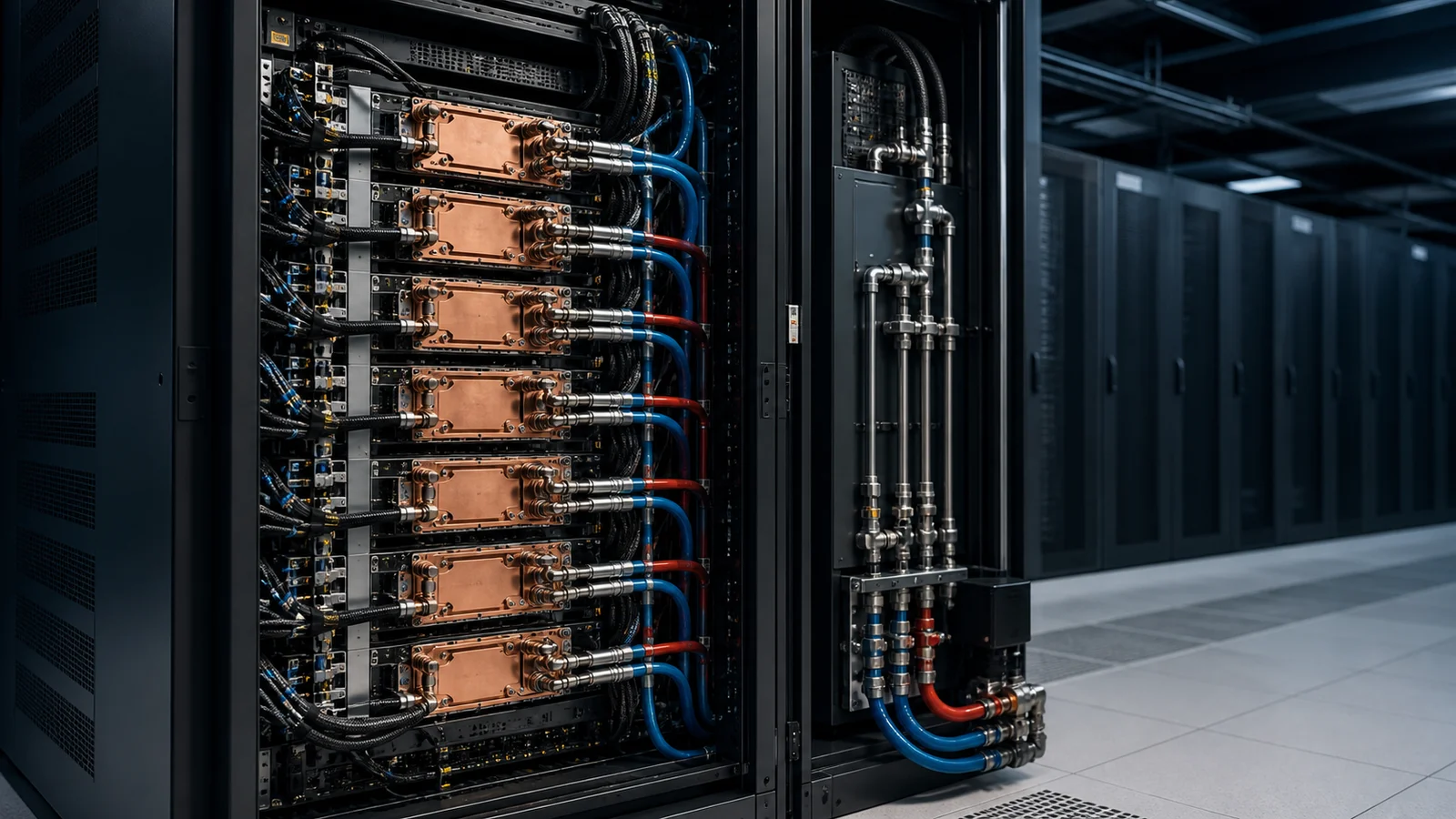
AI servers are the demand side. DigiTimes reported in May that lead times were stretching out for high-end multilayer ceramic capacitors, elongated electrolytic capacitors and hybrid aluminum electrolytic capacitors. The source was the Japanese distributor Nichidenbo. Aluminum electrolytic capacitors sit in the power supplies that feed the racks, one layer below the accelerators in the AI hardware stack.
How the import ban works
The UFLPA creates what the law calls a rebuttable presumption. Once a company is on the Entity List, Customs and Border Protection presumes its goods were made with forced labor and refuses them entry. The importer has to produce clear and convincing evidence otherwise, plus complete upstream supply chain documentation.
The presumption applies to goods produced in whole or in part by a listed entity. There's no de minimis threshold. A component worth a few cents can put a full shipment at risk. The burden sits with the US importer at the port.
The law firm Kelley Drye wrote that "shipments from non-listed companies that CBP traces to these Entity Listed companies based on supply chain or corporate connections are a likely target for UFLPA detentions."
CBP has denied entry to more than 24,300 shipments under the law since it took effect, worth close to $1 billion. Forced labor has become a wider trade lever this year. In July the United States set Vietnam's tariff rate equal to China's, erasing a gap apparel and footwear brands had built their sourcing around.
What the list does not include
None of the 43 companies trades on a US exchange. All are Chinese. The Entity List names specific legal entities rather than corporate families.
The DHS press release doesn't use the word capacitor. Servers and data centers go unmentioned too.
Where the US-listed exposure sits
Vishay Intertechnology (VSH) is the main US-listed manufacturer in the category. It makes aluminum electrolytic capacitors across several series for automotive, medical and power applications.
The larger exposure is on the buyer side. It sits with the companies importing finished power systems and servers into the United States. Friday closes, the last session before the ban takes effect:
| Stock | Friday close |
|---|---|
| GE Vernova (GEV) | $990.29 |
| Eaton (ETN) | $415.20 |
| Dell Technologies (DELL) | $405.37 |
| Vertiv (VRT) | $241.57 |
| Vishay Intertechnology (VSH) | $34.22 |
| Super Micro Computer (SMCI) | $28.40 |
None of those companies has disclosed a supply relationship with either listed capacitor maker. The announcement also landed too late in the week to read anything into Friday's trading. US hyperscalers are on track to spend about $725 billion on AI data centers this year. Every rack in that build needs power supplies.
Aris Kourkoumelis, assistant secretary for trade and economic security at DHS, said in the announcement: "Importers should know that those who attempt to circumvent today's action and knowingly import goods produced with forced labor will be prosecuted to the fullest extent of the law."
Sources
- Department of Homeland Security, DHS Announces the Addition of 43 Companies to the UFLPA Entity List, July 31, 2026
- Department of Homeland Security, UFLPA Entity-Specific Information, July 2026
Prices are Friday, July 31, 2026 closes. Nothing here is investment advice.