Key points
- New Section 301 tariffs took effect at 12:01 a.m. Friday, replacing an expiring flat 10% tariff. They cover 55 countries across two tiers and 99.4% of US imports.
- The new rate splits into two tiers: 10% for countries with forced-labor import bans, 12.5% for those without. Vietnam and China are both in the 12.5% group.
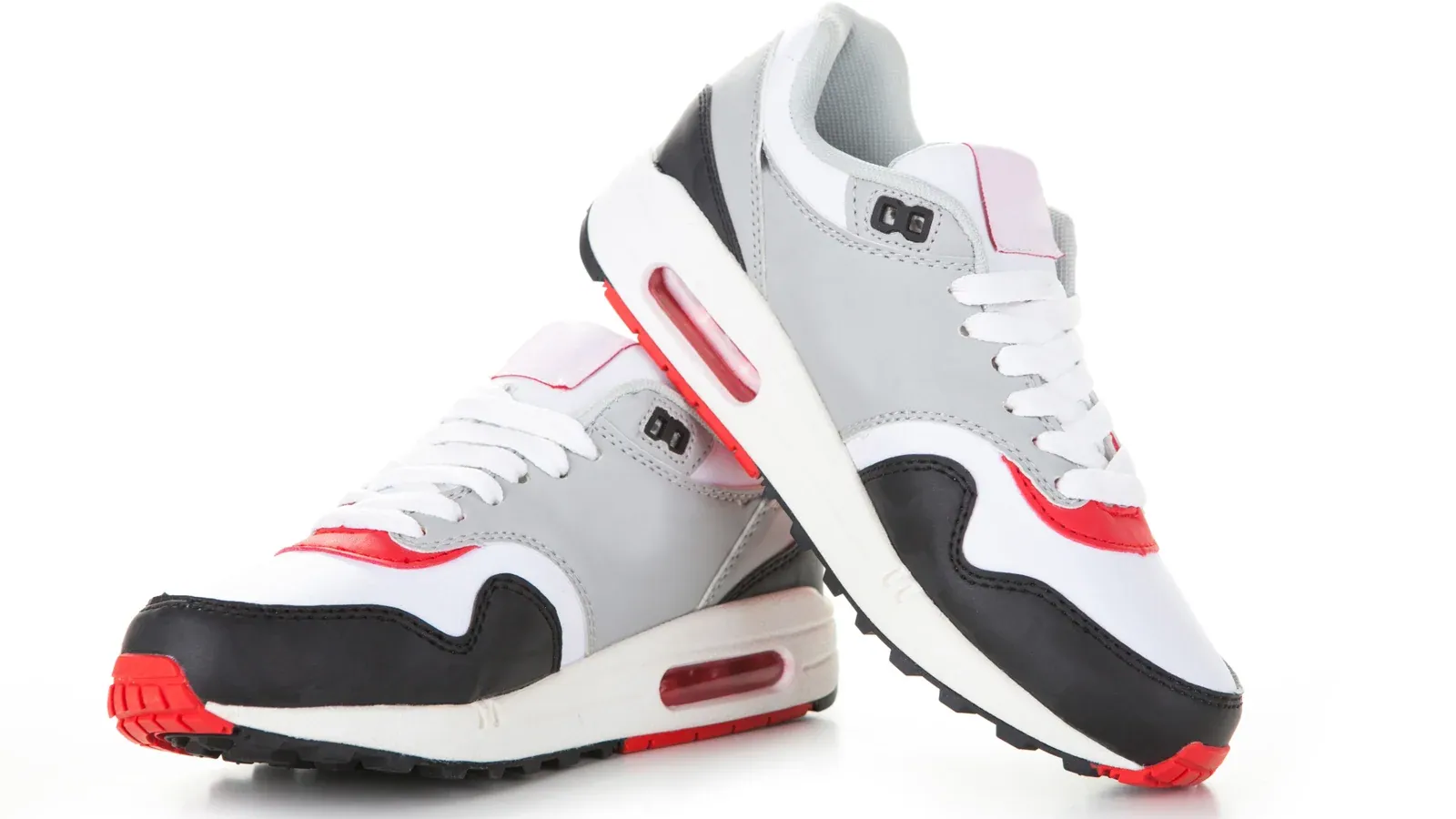
- Nike (NKE) made half its footwear and 28% of its apparel in Vietnam in fiscal 2024. Deckers (DECK) sources about 75% of its production there.
- Nike fell as much as 2.8% intraday Friday. Deckers fell as much as 6%, adding to Thursday's earnings-related drop.
New US tariffs took effect at 12:01 a.m. Friday. They replace an expiring flat 10% global tariff with a two-tier rate: 10% for countries that ban forced-labor imports, 12.5% for those that don't. Vietnam and China are both in the 12.5% group.
Vietnam overtook China last year as the largest exporter of apparel to the US. Manufacturers moved production there partly to get away from years of China-specific tariffs. That price gap is now gone.
The mechanism
The tariffs come from Section 301 of the Trade Act of 1974, the law the US uses to respond to unfair trade practices. They replace Section 122, a flat 10% global tariff that followed a Supreme Court ruling earlier this year. Section 122 expired at midnight.
Seventeen countries landed in the 10% group, including the United Kingdom, India, Mexico and Canada. Bangladesh, Cambodia, Indonesia and Malaysia, all direct competitors to Vietnam for apparel manufacturing, are also in that group. Thirty-eight countries landed in the 12.5% group, including China, Vietnam, Brazil and Russia.
"Those three words, net of MFN, may end up being the biggest story in the entire announcement," said Pete Mento, director of global trade advisory services at Baker Tilly. MFN means most favored nation, the baseline duty the US already charges. Mento said calculating the new tariff net of that existing rate could change how it applies to some products.
Who's exposed
Nike (NKE) made half its footwear and 28% of its apparel in Vietnam in fiscal 2024. Columbia Sportswear counts Vietnam as its top manufacturing country. Gap, Ralph Lauren and Under Armour are also among the largest US investors in Vietnam's garment industry.
Deckers (DECK) sources about 75% of its production from Vietnam. The company raised its fiscal 2026 cost forecast to $185 million in May, up from $150 million, based on a 20% Vietnam tariff scenario. Deckers reported earnings Thursday. Hoka and Ugg sales growth slowed and missed estimates, and the stock fell about 3% on the results alone.
How today compares
This isn't the first time a Vietnam tariff has hit these stocks. Vietnam faced a 46% tariff in April 2025. Nike fell 14% that week. Under Armour fell 18%. Deckers fell 14%. A trade deal later cut Vietnam's rate to 20%. Section 122 then flattened it to 10% for every country earlier this year.
Nike was down as much as 2.8% intraday Friday. Deckers was down as much as 6%, stacking Thursday's earnings drop on top of today's tariff news. Neither move is close to the scale of April 2025.
The tariffs are one of several things weighing on markets Friday, alongside oil prices above $100 a barrel and the fallout from Thursday's Alphabet and Tesla earnings. The Section 301 duties apply to goods entering the US on or after Friday. USTR's fact sheet says a full list of exempted products will be published in the Federal Register.
Sources
- Office of the United States Trade Representative fact sheet on the Section 301 tariff tiers and country lists
- Pete Mento, director of global trade advisory services at Baker Tilly, on the net of MFN calculation
- Nike fiscal 2024 Form 10-K sourcing disclosures; Deckers Outdoor fiscal 2026 cost guidance, May 2026
- Live and historical market data for NKE and DECK, July 23 and July 24, 2026
- Related coverage: the made-in-America manufacturing list
This is general market commentary and opinion, not investment advice. Markets can go down as well as up, and you can lose money. Always do your own research and consider speaking with a licensed financial professional before making any investment decision.