Key points
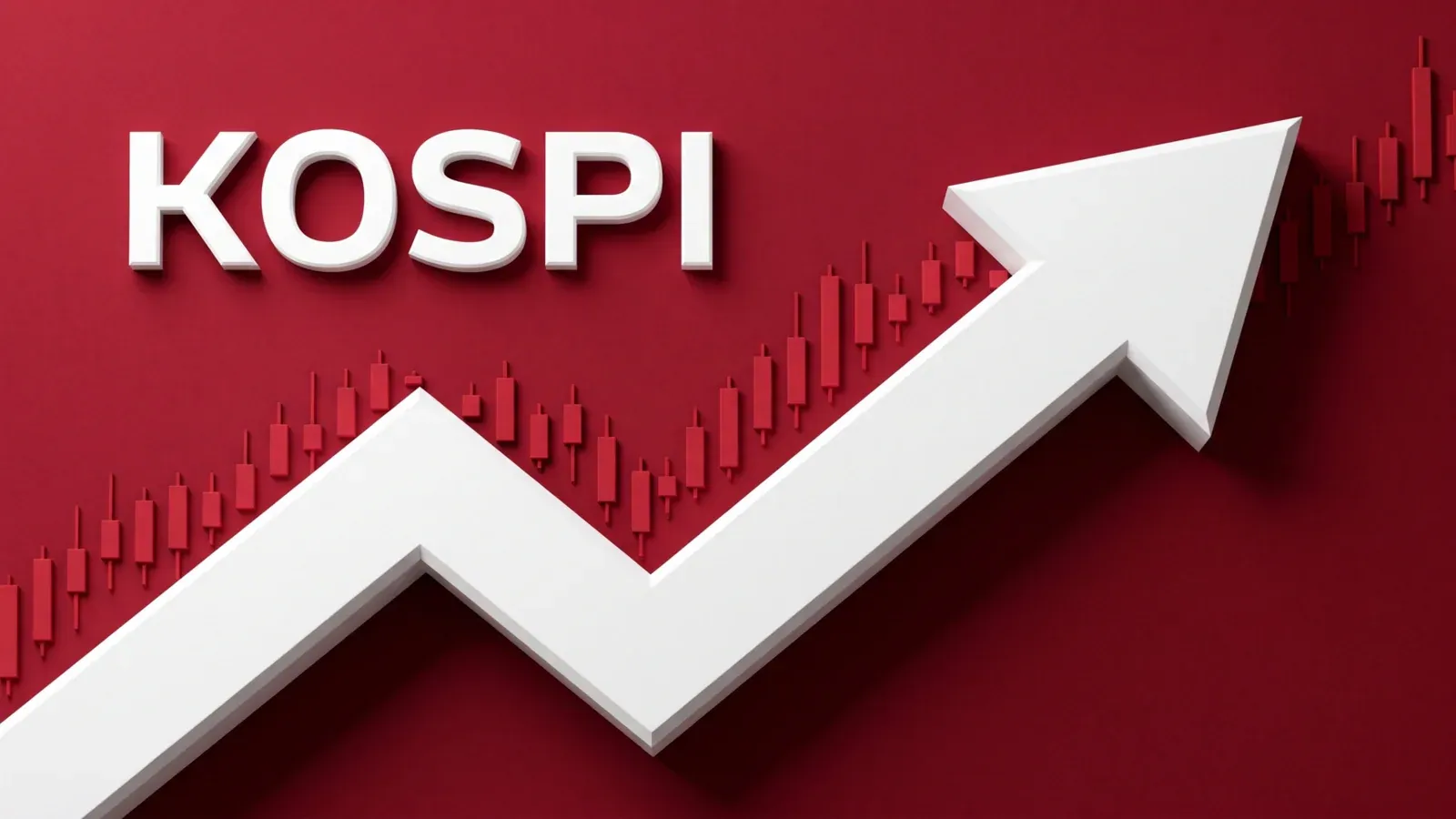
- Kospi closed at 6,747.95 Tuesday, up 3.56%, one day after posting its worst one-month drop among 46 major economies, and the rally briefly triggered a five-minute buy-side sidecar.
- The bounce tracks back to Korea's own export data, not a fresh bank call: semiconductor shipments in the first 20 days of July rose 180.6% year over year to $22.1 billion.
- Samsung Electronics rose 6.15% to 259,000 won (about $173) and SK Hynix rose 4.08% to 1,836,000 won (about $1,224); some top traders bought SK Hynix while selling Samsung to lock in gains after its own robotics-unit news.
Kospi closed at 6,747.95 on Tuesday, up 231.68 points, or 3.56%, clawing back a chunk of Monday's rout. That gain landed exactly on top of Monday's close of 6,516.27, the number this site flagged as Kospi's worst one-month drop among 46 major economies. One green day does not undo a month like that. Kospi is still down about 28% from its own intraday record of 9,385.59, and still below Thursday's 6,820.60 close from before the worst of the slide. But the size and speed of Tuesday's move was enough to briefly halt the market: at 12:41 p.m. local time, Kospi 200 futures were up 5.17% from the prior close, triggering a five-minute buy-side sidecar, a mirror image of the sell-side sidecar that hit the index twice during last week's crash.
What actually drove it
Korea's customs data for the first 20 days of July showed overall exports up 52.3% year over year to $54.9 billion, with semiconductors doing almost all of the work: chip shipments alone rose 180.6% to $22.1 billion, pushing the country to a $12.2 billion trade surplus for the period. Daishin Securities analyst Lee Kyoung-min put it plainly, attributing the rally to "bargain hunting concentrated on semiconductors," now that Samsung and SK Hynix were trading well off their highs after three straight down sessions. A separate tailwind helped risk appetite generally: Tehran was reported to have received new mediation proposals from Pakistan and Qatar aimed at ending the conflict with the United States, easing some of the war-risk premium that had been weighing on markets all month.
JPMorgan has been loudly bullish on Kospi since the spring. Strategist Mixo Das raised the bank's 12-month base-case target to 12,500, with a bull case of 15,000, in a report published June 25, calling for a "higher for longer" memory upcycle as AI demand keeps outrunning supply. Even that report admitted the mismatch, saying the bank stayed "directionally bullish on Korea equities despite ongoing forced foreign selling and elevated volatility." That call is nearly a month old, not something published this week, and the volatility it flagged was real: foreign ownership of Samsung Electronics fell to its lowest level in 17 years this month, with foreign investors staying persistent net sellers of Korean chip stocks through most of July. JPMorgan's long-term thesis on Korean memory has not changed. What was actually happening in the market through mid-July looked messier than the bank's headline target suggested.
Samsung and SK Hynix didn't move together
Samsung Electronics closed up 6.15% at 259,000 won, about $173. SK Hynix closed up 4.08% at 1,836,000 won, about $1,224. Foreign and institutional investors were net buyers Tuesday, a combined 1.67 trillion won, about $1.11 billion. Retail investors sold, 1.64 trillion won net, about $1.09 billion. But the two chipmakers were not simply riding the same wave. At Mirae Asset Securities, the brokerage's own top-performing traders, investors ranked in the top 1% for one-month returns on its platform, were net buyers of SK Hynix and net sellers of Samsung as of late morning. Samsung had its own news that day too: the company announced a new robotics unit, and some of those top traders used the pop to sell rather than add to the position.
Sources
- Seoul Economic Daily (Korean language): Kospi closes up 3.56% at 6,747.95, July 21
- Korea Herald: exports up 52% in first 20 days of July on robust chips, July 21
- Seoul Economic Daily (Korean language): top traders buy SK Hynix, sell Samsung in divided chip bets, July 21
- The Investor: JPMorgan lifts Kospi target to 12,500, keeps Korea top Asia pick, June 25
- Seoul Economic Daily (Korean language): foreign ownership of Samsung Electronics hits 17-year low, July 7
Figures are from South Korean market reporting as described above, converted to US dollars at about 1,500 won to the dollar. This is general market commentary and not investment advice. Always do your own research and consider speaking with a licensed financial professional before making any investment decision.
Related coverage
- Kospi's one-month drop is the worst of 46 major economies. Even Russia did better.
- SK Hynix fell more than 5% at Monday's open in Seoul, then turned positive within 20 minutes
- Kimi AI stopped taking new signups days after launch as GPU demand maxed out. Alphabet, Tesla and Intel report into a chip bear market