Key points
- June's Producer Price Index fell 0.3% month over month, well below the roughly flat reading Wall Street expected, after a downwardly revised 0.6% gain in May and 1.1% in April.
- Core PPI, which strips out food, energy, and trade services, rose just 0.1% against forecasts near 0.3%. The annual core rate eased to 5.1%.
- Energy prices dropped 6.4% for the month, with gasoline down 12%, pulling the entire goods basket 1.4% lower. Services still rose 0.2%.
- It is the second cool inflation surprise in two days. Tuesday's CPI report showed consumer prices fell 0.4% in June, the steepest monthly decline since 2020.
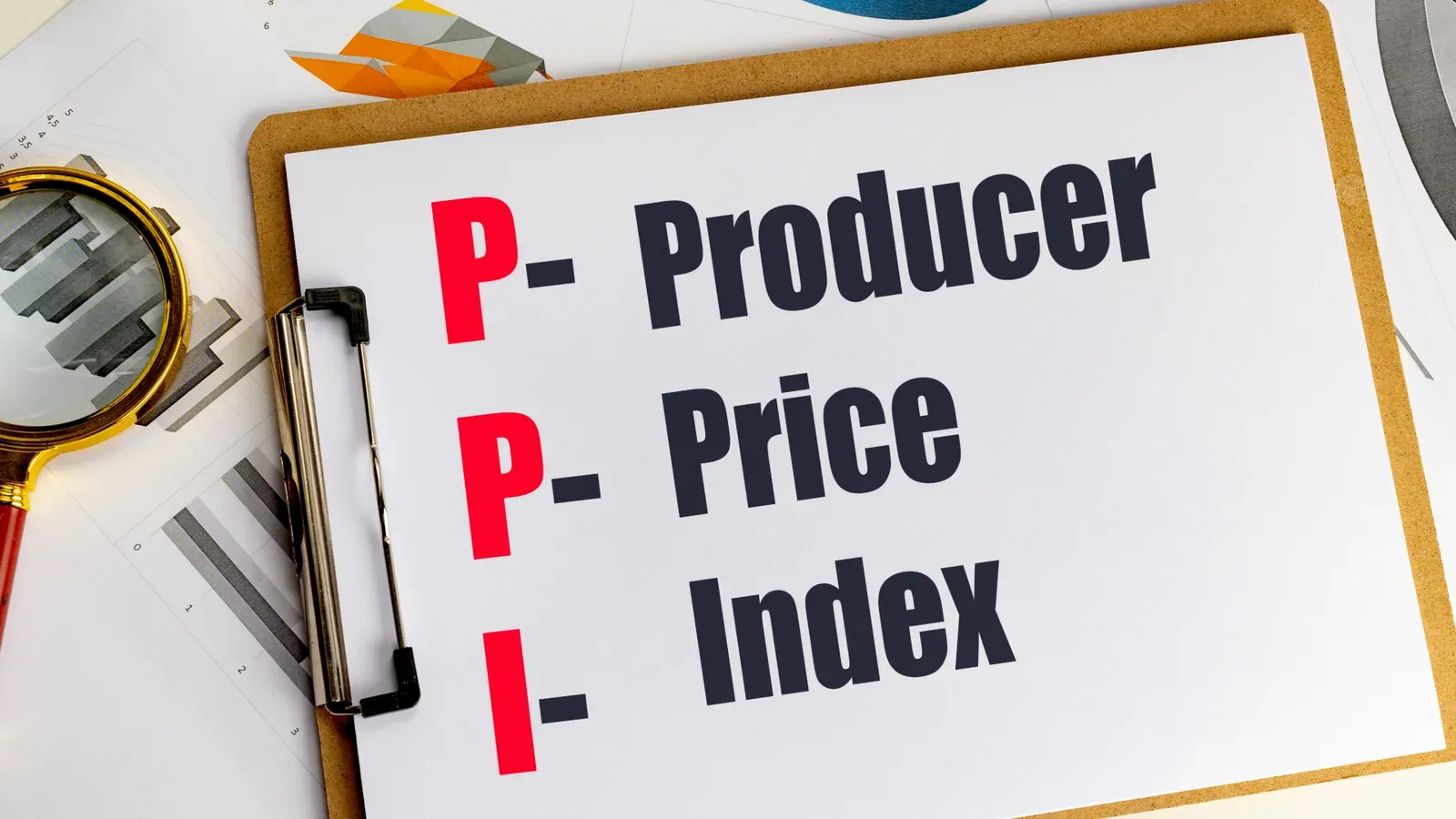
Economists expected June's wholesale prices to hold roughly flat. Instead the Producer Price Index for final demand posted a 0.3% monthly decline, its first outright drop in months, a day after the Consumer Price Index surprised in the same direction with its own first monthly fall since 2020.
A rare negative print
June broke a run of gains. Final demand prices rose 1.1% in April and 0.6% in May, revised down from an earlier 1.1% estimate, then turned negative in June for the first time in that stretch. Measured against a year ago, prices are still running hot at 5.5%, down from close to 6% in May. That is the direction the Fed wants to see, even if the level itself is still far from calm.
Nearly all of it was gasoline
Almost the entire decline traces back to gas pumps. Energy prices inside the index fell 6.4% in June, with gasoline down 12%, the sharpest one-month drop in years. That alone pulled the overall goods basket down 1.4%, the steepest monthly decline since mid-2022. Strip out food and energy, and goods prices actually climbed 0.2%. This reads as an energy story more than a broad one.
Services moved the opposite way, up 0.2%, helped along by wider margins at retailers and wholesalers, which added roughly 0.4 percentage points to that gain. Transportation and warehousing services slipped 0.1%.
The core number cooled too
Strip out food, energy, and trade margins, the volatile pieces of the index, and the picture still cooled. Core PPI climbed only 0.1% in June. That's a sharp deceleration from May's 0.8% increase, and it leaves the annual core rate at 5.1%. One month is not a trend by itself, but a softer core reading landing the same week as a softer CPI print gives the Fed two data points pulling the same direction instead of one.
What it means heading into the next Fed meeting
Tuesday's CPI report told a similar story: consumer prices down 0.4% for the month, the steepest such drop since 2020, with annual inflation at 3.5% against a 3.8% forecast. Monday's setup piece had flagged that report as pivotal for the week, and it landed on the soft side. Futures were already higher heading into Wednesday's PPI release on the strength of that number alone. None of this guarantees what the Federal Reserve does next, but back to back soft inflation prints take one more argument away from anyone worried about prices reaccelerating.
This article is based on the Bureau of Labor Statistics release published at 8:30am ET on July 15, 2026, and on premarket futures trading ahead of the regular session. Both will be updated with how stocks actually closed once the trading day is over.