Key points
- Korea's regulators tripled the minimum cash deposit for single-stock leverage products on Samsung and SK Hynix, from 10 million won to 30 million won, and banned using securities as collateral, starting July 31.
- New listings of these products are halted and advertising is banned, both effective immediately. A separate rule raising the minimum trade from 1 unit to 20 units does not arrive until November.
- The Financial Supervisory Service's own chief said back in June he wishes he had stopped these products before they ever launched in May.
- Many analysts think the deposit hike will not calm the market much, because the deeper problem is how much of the Kospi rides on just two stocks.
Korea just made it three times more expensive to trade the leverage products tied to Samsung Electronics and SK Hynix, the same products I wrote about earlier today for making the Kospi's crashes worse at the close. The bigger admission, though, came from the top regulator himself, and it happened a month before this crackdown, not after.
The Kospi itself is closed in Korea today, July 17 local time, for Constitution Day, a holiday Korea reinstated this year after leaving it off the market calendar since 2008. So there is no fresh trading reaction to weigh yet, just the rule itself and the numbers that led to it.
What actually changed
The minimum cash deposit needed to trade these single-stock leverage and inverse products goes from 10 million won to 30 million won, close to $20,000, and investors can no longer use other securities as collateral either, it has to be real cash. That change takes effect July 31. Separately, and effective immediately, no new products like this can list until the market calms down, and they cannot be advertised. A third rule, raising the smallest amount anyone can trade from 1 unit to 20 units, follows later, in November.
Why regulators moved now
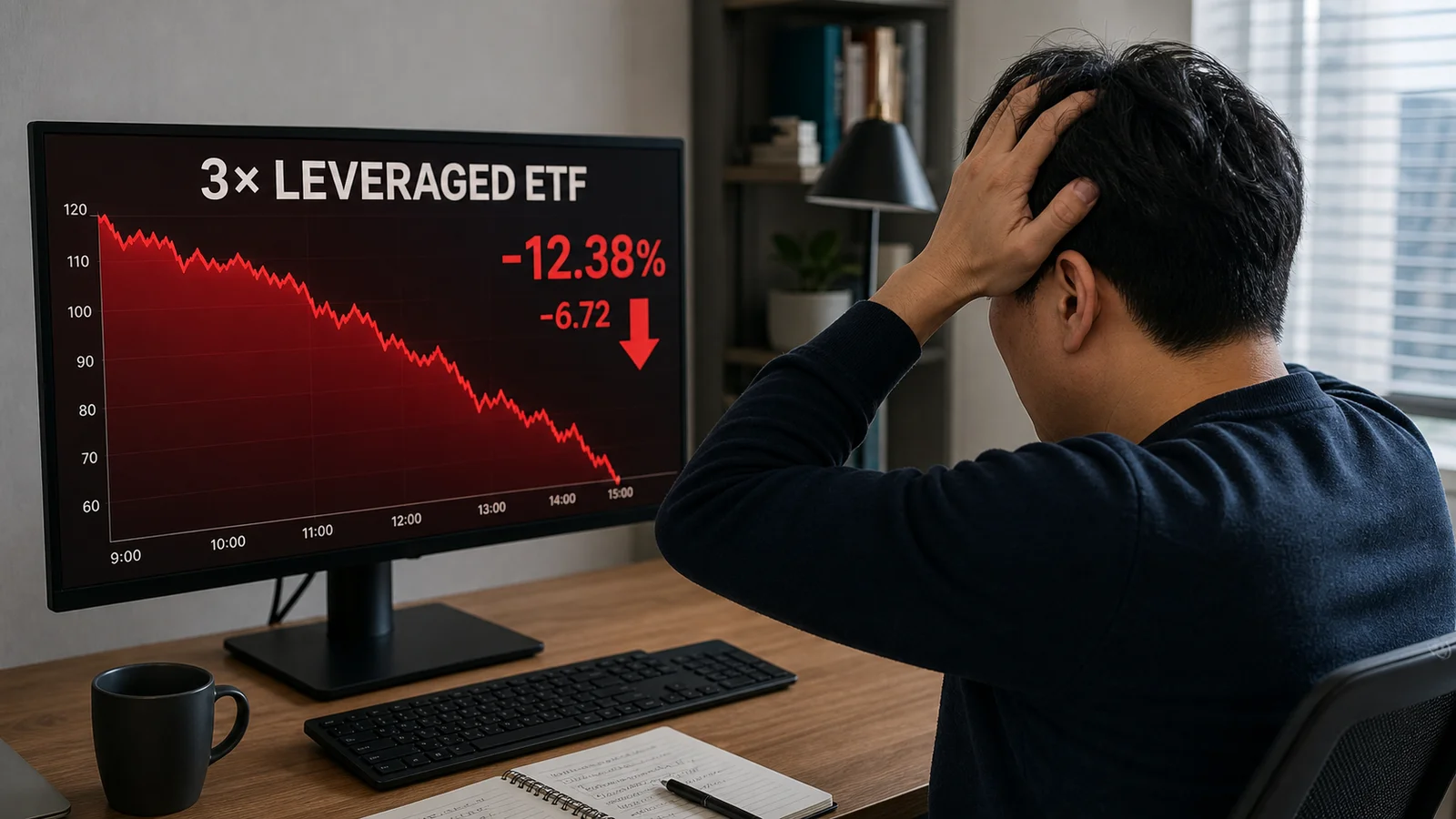
Eighteen single-stock leverage and inverse products on Samsung and SK Hynix, 16 of them ETFs and 2 ETNs, listed on May 27. Since then, 16 of the 37 Kospi sidecar halts triggered so far this year, the automatic pause Korea uses when a stock or futures contract moves too hard in one direction, have come after that date. On July 13, Samsung fell 10.70% and SK Hynix fell 15.37%, its worst single day in 17 years, and leverage products tracking them lost 22 to 24% and some 31 to 33% of their value that same session. The size of the market grew just as fast. Combined trading in these Samsung and SK Hynix products passed 14 trillion won, and about 92% of that money belongs to individual investors, not institutions.
That last number is why the Financial Supervisory Service's own governor, Lee Chan-jin, said something surprising back in June, weeks before this week's rules were even announced. He said he personally wonders if he should have blocked these products before they launched at all, using an old Korean expression that means stopping something by any means necessary. He added that the products mostly benefit the securities firms selling them, while ordinary investors carry the risk.
Will it actually calm things down?
Not by much, according to several analysts quoted in Korean financial press this week. Thirty million won raises the bar to enter, but plenty of investors can put that much together without trouble, so it may not keep many people out. The 20-unit minimum trade size does not even arrive until November, and even then it only adds up to a few hundred thousand won for most of these products, not enough on its own to change how people trade.
The more common view is that the real problem sits somewhere the new rules do not touch. I wrote about this back on July 13: Samsung and SK Hynix together make up about half the entire Kospi. When two stocks carry that much weight, leverage products built on top of them will keep moving the whole market sharply, deposit rules or not. Fixing that would mean changing how concentrated the Kospi itself is, which is a much bigger job than raising a deposit.
What this actually looks like on the ground
Korean financial outlets have started describing the trading in these products less like investing and more like a day-trading playground, mostly for foreign algorithmic traders moving in and out within minutes, while individual investors are left holding the losses. That is a strong way to put it, but the numbers back it up. A stock moving 10 to 15% in a day and a leveraged product on it losing 30% or more in that same session is not really behavior that fits the word investing. It reads more like a bet on which direction the next hour goes.
This is general market commentary and not investment advice. Always do your own research and consider speaking with a licensed financial professional before making any investment decision.