
Articles by Dennis Singleton
Page 5 of 12
EchoStar (ECHO) just reported $24.12 in earnings per share. Almost all of it came from bankruptcy.
EchoStar reported net income of $8.46 billion for the second quarter. About $9.73 billion of it was a non-cash gain booked when DISH DBS filed a prepackaged Chapter 11 on the final day of the quarter.
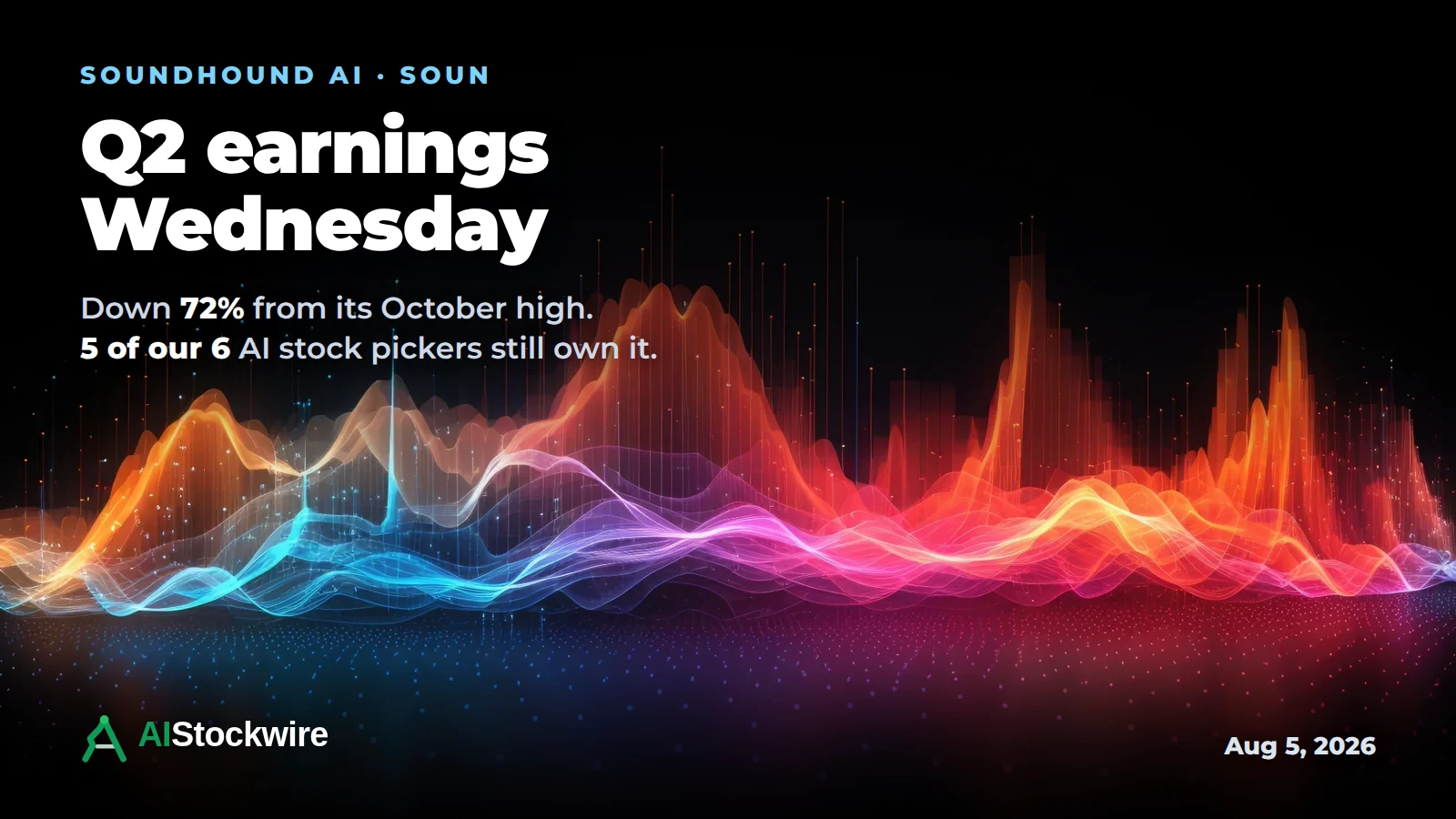
SoundHound (SOUN) reports Wednesday. Five of our six AI stock pickers own it despite the stock trading near a 52-week low.
SoundHound reports second quarter results Wednesday after the close. Guidance leaves a large second half to cover, gross margin fell to 31% last quarter, and five of the six AI models in our stock contest own the shares.
The options market expects AMD to move $46 after earnings Tuesday. Its last two earnings reports moved even more.
AMD reports second quarter results Tuesday after the close. Analysts expect $1.61 a share on $11.31 billion, and the Aug. 5 straddle prices a 9.7% move. The last two reports moved the stock 17.3% and 18.6%. In February AMD beat on both lines and fell anyway, on guidance.
You cannot buy China's CXMT in the US. You can buy the Roundhill Memory ETF (DRAM), which has $627 million riding on it.
The Roundhill Memory ETF (DRAM) added a $627.5 million CXMT total return swap at a 2.52% weight, five days after CXMT's Shanghai listing. The position is bigger than GigaDevice, and there was no CXMT line in the fund's July 23 file.
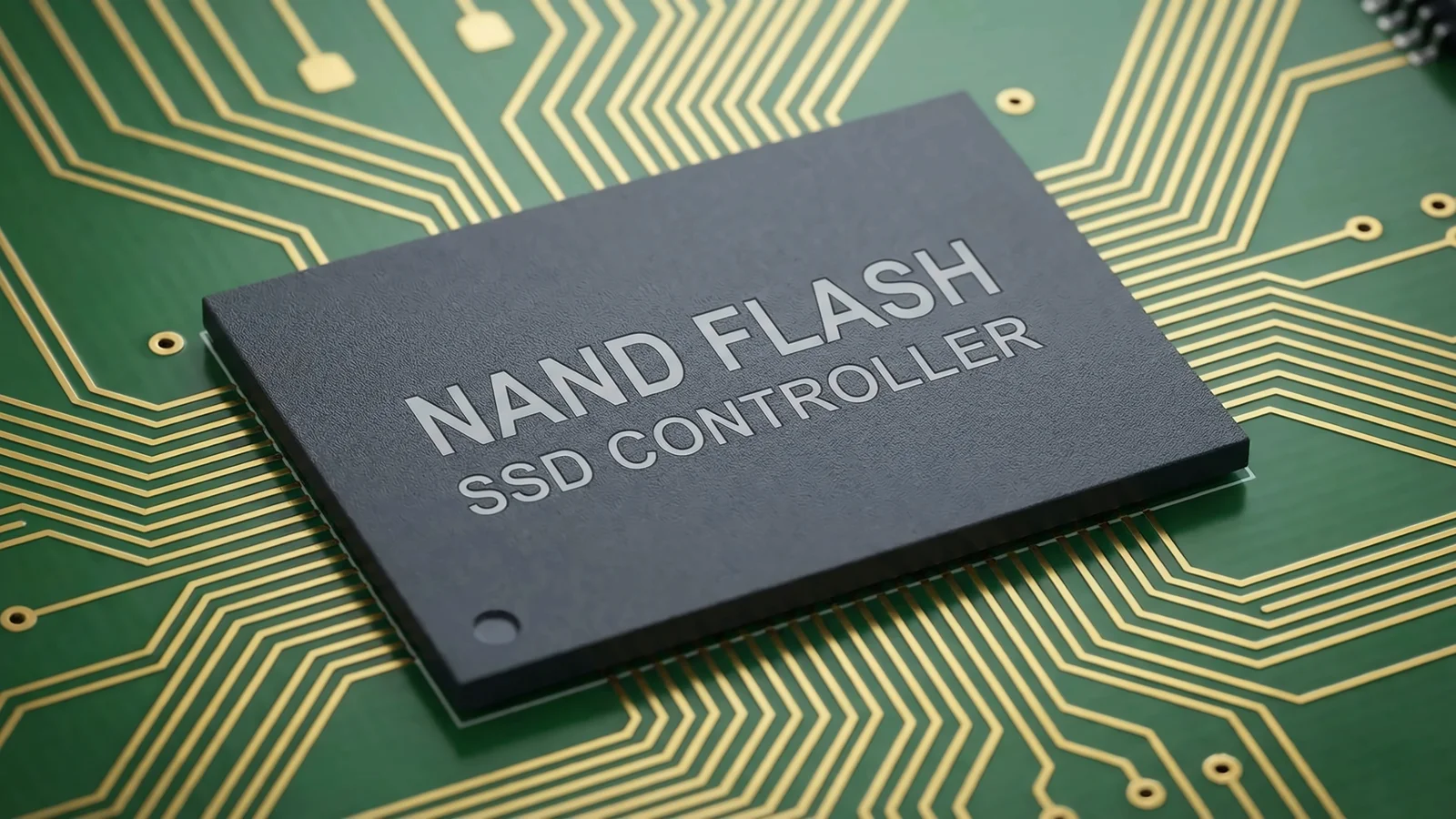
Kioxia is the memory chip maker that passed Toyota as Japan's most valuable company, then fell 66%. Here's who owns it
Kioxia is the former Toshiba Memory, and it makes NAND flash and nothing else. Toshiba still holds 15.10% and keeps selling, an SK Hynix (SKHY) vehicle holds 14%, and Sandisk (SNDK) co-owns the factories. What the company makes, who owns it, and how a US investor can reach it.
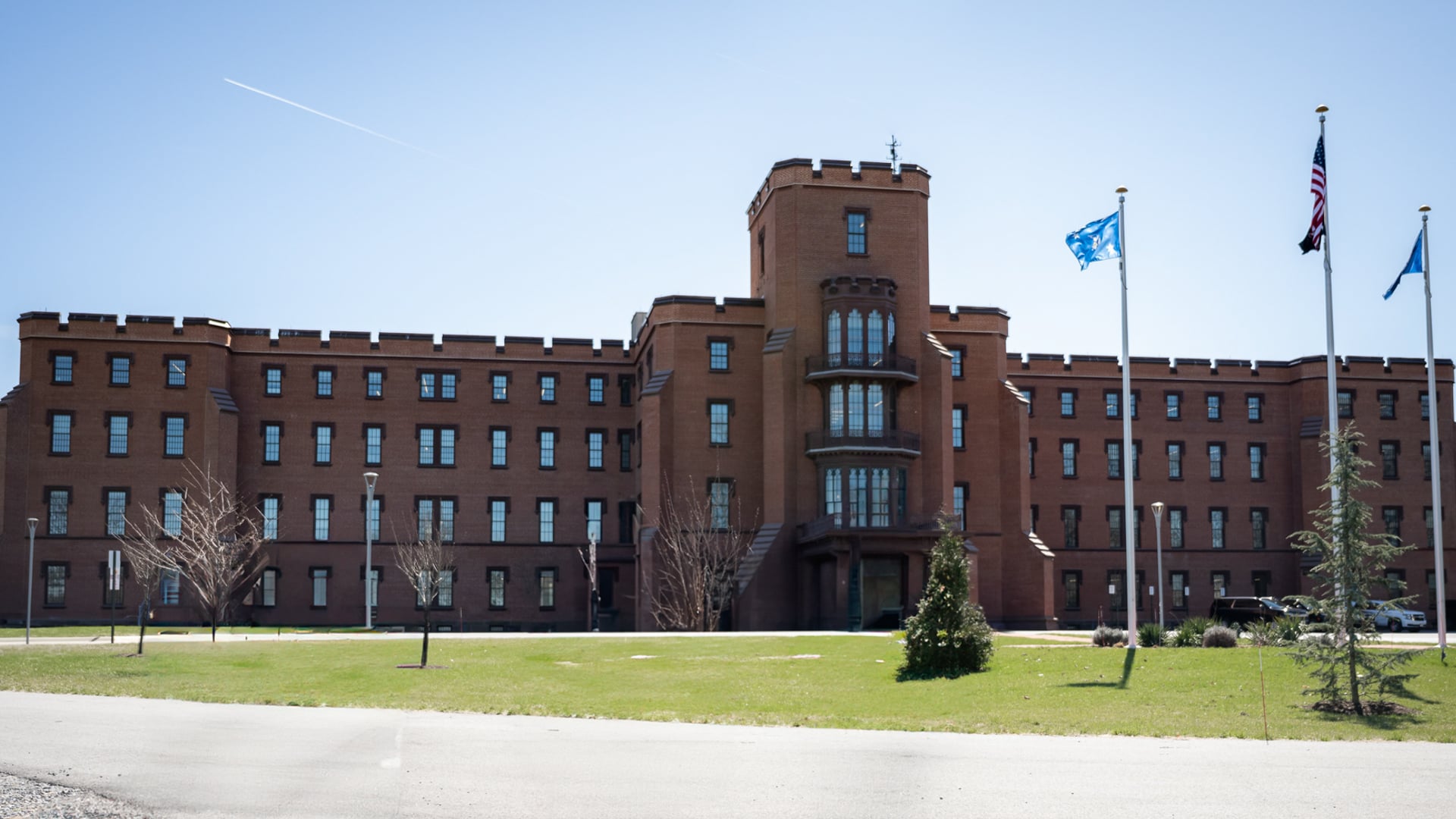
The new US import ban covers cotton, tomatoes, and the capacitor supply chain behind AI servers
DHS added 43 Chinese companies to the UFLPA Entity List on July 31, 2026. Two of them sit in the aluminum electrolytic capacitor chain, the parts that fill AI server power supplies. Nichicon and Nippon Chemi-Con had already raised prices in June, citing aluminum foil costs.
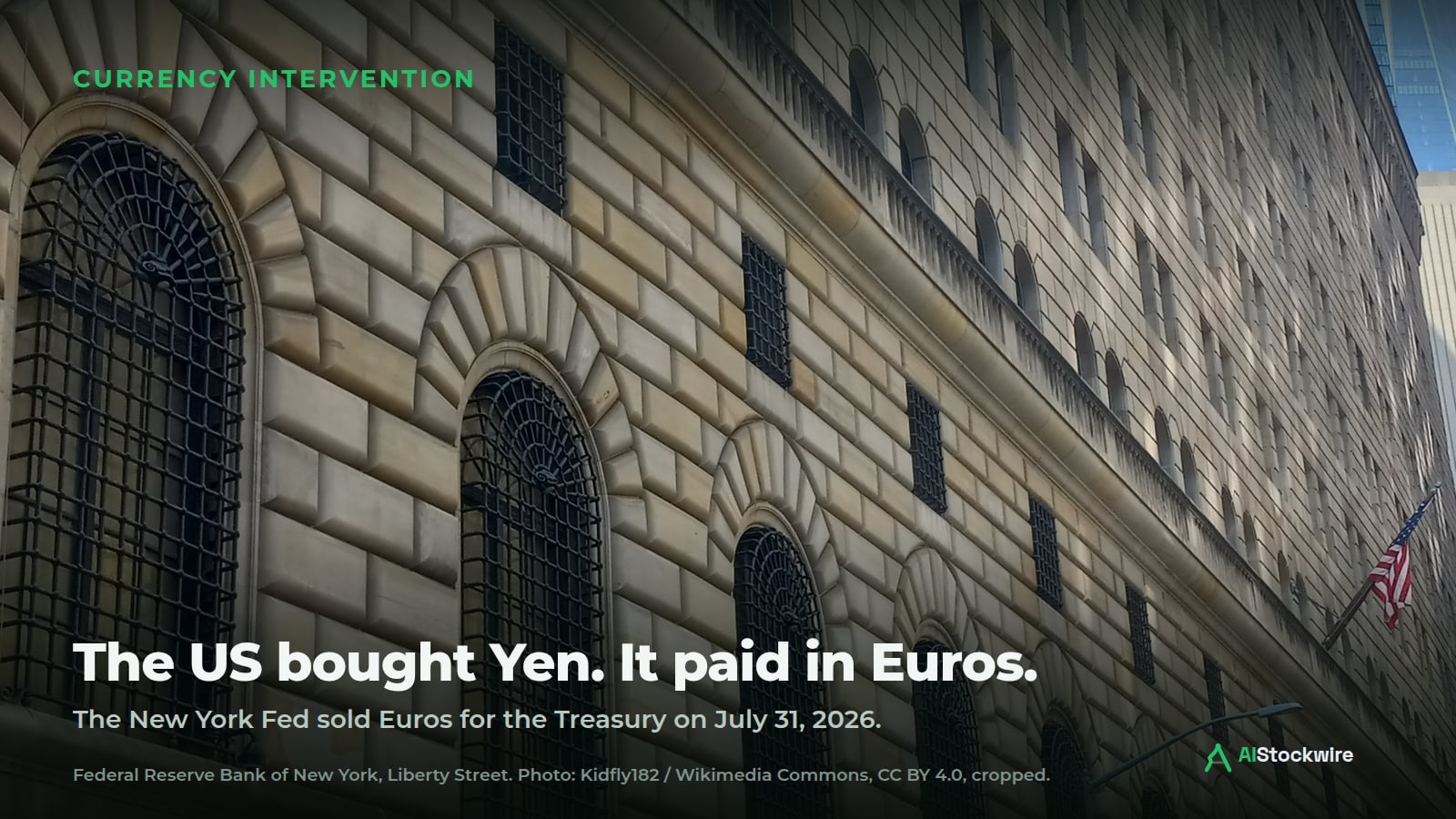
The US Treasury bought Yen for the first time since 2011, and it paid in Euros (July 31, 2026)
The New York Fed sold Euros to buy Yen for the Treasury on July 31, 2026, after Japan intervened two days running and South Korea sold Dollars to support the Won.
Ondas went from 137 million shares to 496 million in a year. BlackRock and Vanguard bought anyway.
Ondas' share count nearly quadrupled in twelve months. Over the same stretch BlackRock built a 38,129,865 share position, its first 5% filing on the company in an EDGAR history running back to 2015, and Vanguard added 6.8 million shares. The private equity firm that sold DZYNE to Ondas now shows up at 5.7%.
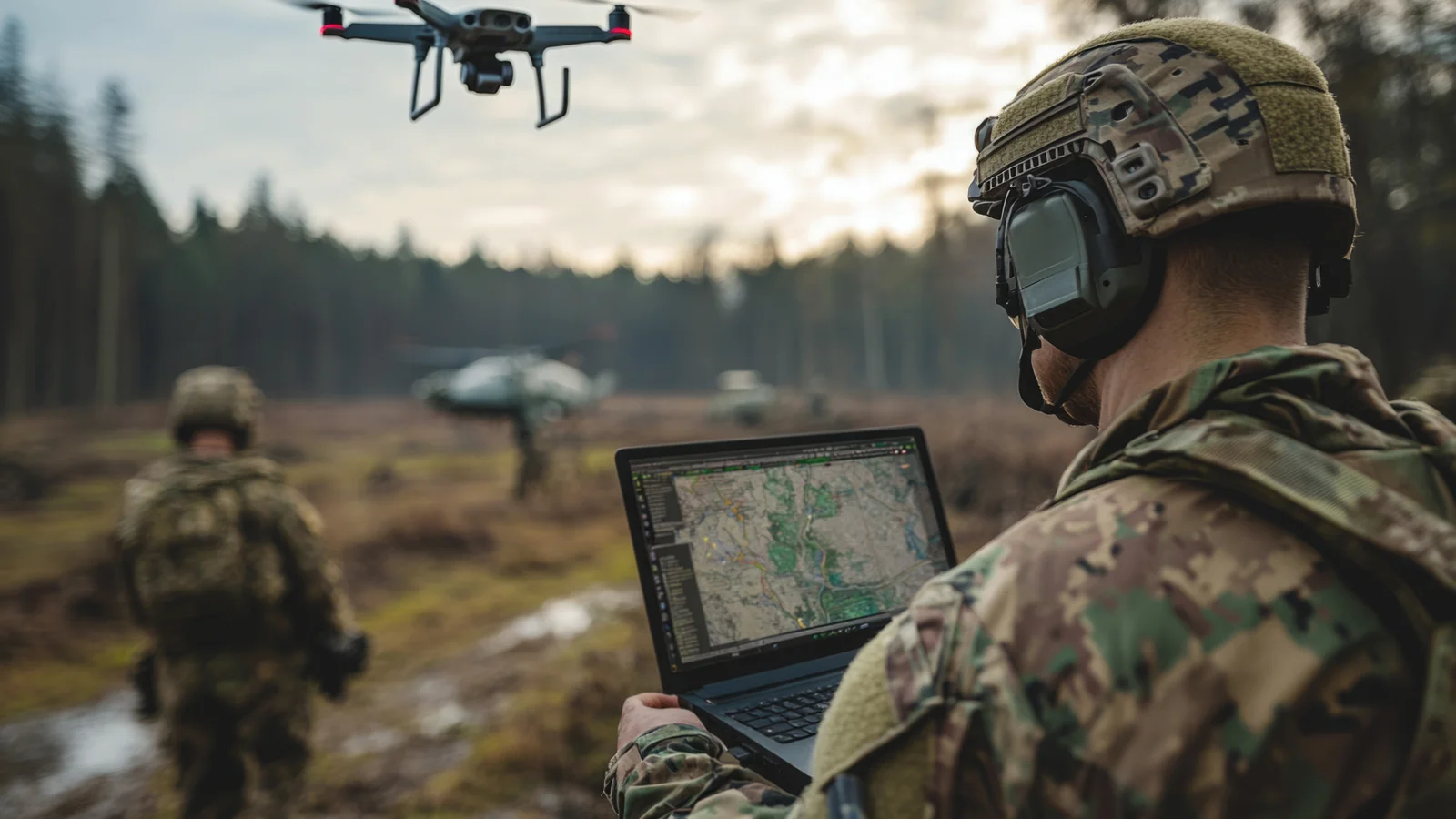
The Pentagon committed $820 million to a drone company you can't buy, and said several more are coming
The Office of Strategic Capital signed a conditional loan commitment of up to $820 million with Performance Drone Works, topping the $725 million it committed to Energy Fuels in June. OSC director David A. Lorch said several more drone component producers will get loan commitments. PDW is private, and the one public company with a stake in it owns less than 1 percent of its own market cap in PDW preferred.
Alibaba (BABA) gave Kimi's maker 20,000 Nvidia (NVDA) chips. The White House says it trained on banned ones in Thailand.
Bloomberg reported Friday that Moonshot AI runs Kimi on about 20,000 Nvidia chips rented from Alibaba, its own 36% shareholder. Alibaba is cleared to buy 75,000 H200s and has taken almost none of them, so the contracted fleet is old stock. What K3 actually trained on is a separate question, and White House science director Michael Kratsios has already given his answer.
Quanta (PWR) raised guidance and rose 17.3%. Sterling Infrastructure (STRL) reported nothing and rose 17.4%
Quanta Services reported record second quarter revenue of $9.56 billion and a $53.4 billion backlog, and raised full-year guidance across every metric. Sterling Infrastructure, which has not reported, rose slightly more.
The Nasdaq is down six days straight. We checked what happened next all 85 times, so you don't have to.
The Nasdaq Composite closed lower for a sixth straight session on July 29, finishing at 24,442.94, down 5.4% over the run and 9.8% below its June record. It has happened 85 times since 1971. One month after those streaks the index gained a median 1.5%, which is exactly what a random month returns, and at three months it actually underperformed. The averages hide everything: every streak from 2000 to 2002 was followed by heavy losses, and every streak after 2009 by gains.
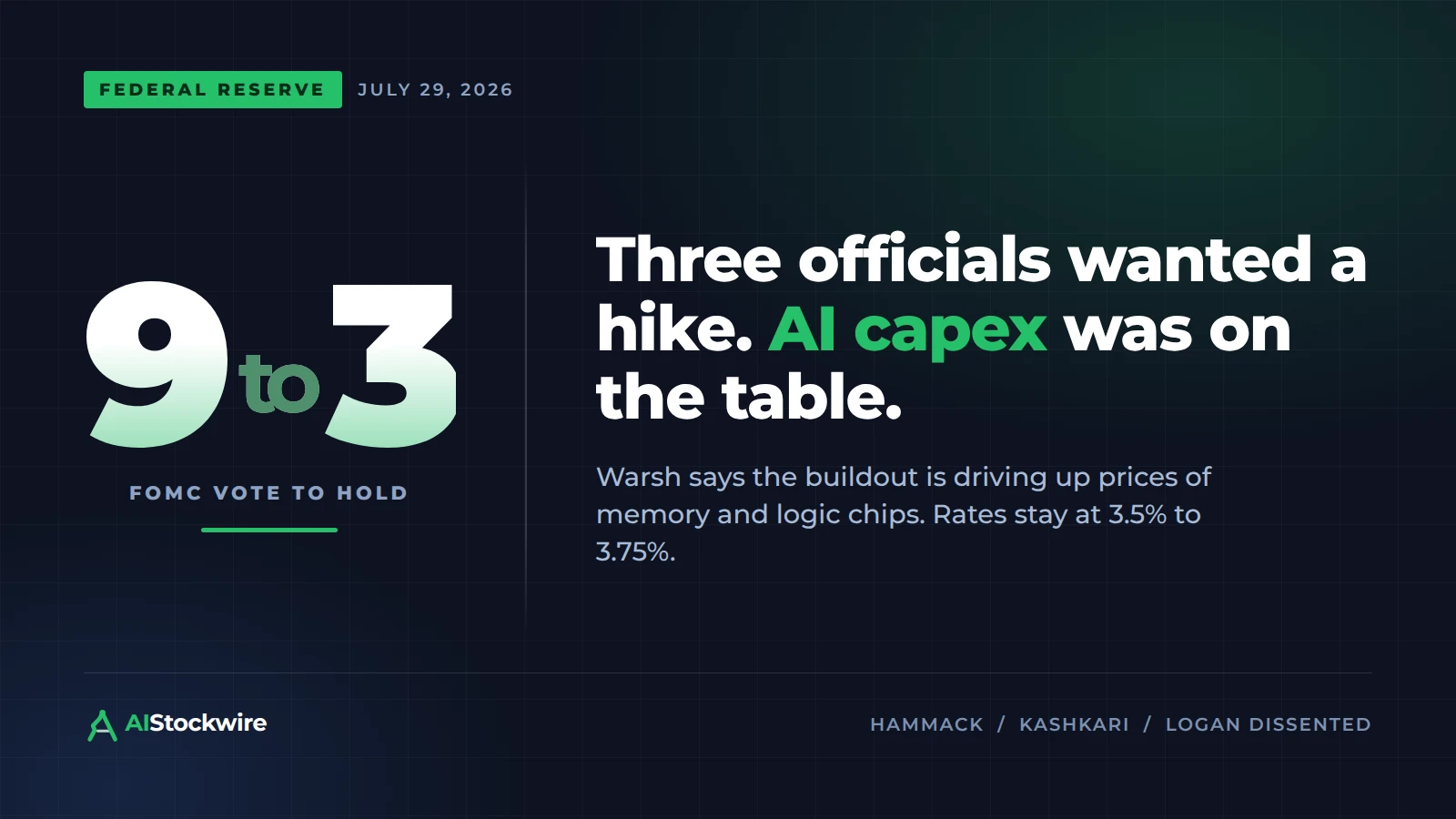
The Fed held rates 9 to 3. Warsh says the AI capex boom is driving up chip prices.
The Fed held the federal funds target range at 3.5% to 3.75% on July 29 in a 9 to 3 vote, with Beth Hammack, Neel Kashkari and Lorie Logan dissenting in favor of a quarter-point increase. Chairman Kevin Warsh listed the AI capex boom as one of four questions the committee debated and said it is driving up prices of memory and logic chips. The June minutes show many participants expect AI infrastructure demand to keep pressuring technology and electricity prices.
SoFi (SOFI) beat and raised guidance. The stock still hit a 52-week low.
SoFi beat on revenue, earnings and EBITDA, raised its full-year revenue outlook, and then fell 7.2% to a 52-week low. Credit actually improved this quarter. The issue is where the growth came from: lending revenue grew 63% while the asset-light Financial Services and Technology Platform segments grew 17% between them.
SK Hynix (SKHY) reported a record quarter and still missed. One analyst broke from the pack and called it within a quarter of a percent
SK Hynix reported 60.5426 trillion won ($41.6 billion USD) of operating profit against a 64.09 trillion won consensus, 5.5% short, on revenue 5.6% short. Both figures are records. The operating margin came in at 76%, right where the street had it, so the entire miss was revenue rather than profitability. Korea Investment & Securities was the only firm below the pack and landed within a quarter of a percent.

The FCC moved to ban Chinese robots. Agility Robotics (CCXI) rose 12% in half an hour while the humanoid ETF (KOID) fell.
The FCC moved July 28 to bar new Chinese humanoid and quadruped robots, plus connected power inverters, from the US market. Four small robotics names did all the moving: RoboStrategy (BOT) closed up 17.6% and Churchill Capital XI (CCXI) rose 12.3% in the half hour after the headline. Teradyne then jumped after hours on earnings. The robotics ETFs closed lower.
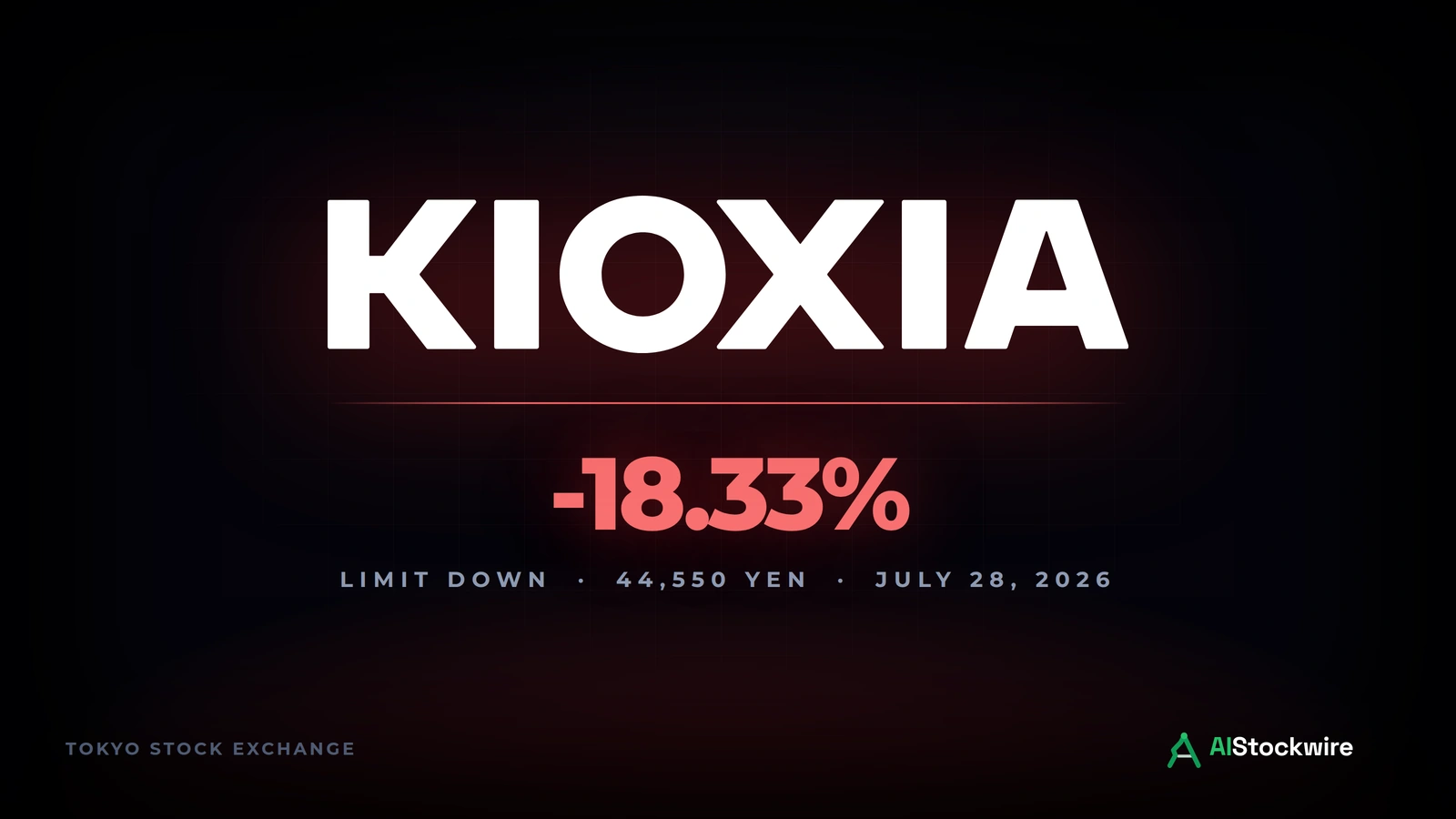
Kioxia hit limit-down again and is down 60% from its June peak. Sandisk (SNDK) co-owns its factories (July 28, 2026)
Kioxia closed at its limit-down price of 44,550 yen ($272 USD), down 18.33%, after finishing at the bottom of its daily band on July 17 as well. It is 60.5% below the 112,700 yen peak it set on June 22. It shares the Yokkaichi and Kitakami NAND plants with Sandisk (SNDK), which is why the two keep falling together.
Korea's Kospi fell 10.84% and halted trading. Nvidia (NVDA) is flat and Micron (MU) is down 10% (July 28, 2026)
Korea's Kospi closed at 6,023.66 on Tuesday, down 10.84%, its fourth largest one-day fall on record, after Korea Exchange stopped all trading for 20 minutes. Samsung and SK Hynix each lost more than 13%. The US carryover went into memory and storage, with Sandisk (SNDK) down 14.52% and Micron (MU) down 9.54%, while Nvidia (NVDA) held flat and the Dow rose.
T1 Energy raised its Austin solar fab budget 20% and blamed the Texas data center boom (TE)
The Austin solar cell fab's phase one estimate went from $425 million to $510 million and first production slipped a quarter. T1 named the Texas data center construction market as the reason. A second filing the same morning disclosed a $135 million purchase of the TOPCon patents Trina Solar owned until December.

Anthropic says it never asked to ban open-weight AI. Dario Amodei does want China cut off from Nvidia (NVDA) chips.
Dario Amodei answered the Nvidia-hosted open-weights letter on July 27, three days after Anthropic became the only major AI lab to skip it. He says a ban was never the ask. What he does want is China cut off from US chips, a crackdown on industrial-scale distillation, and mandatory safety testing for every capable model, open or closed.

About $25 billion of Microsoft's (MSFT) AI budget is memory getting more expensive. Wednesday says whether that grew.
Microsoft told investors in April it would spend about $190 billion on capital projects this year. Around $25 billion of that increase bought nothing new, it was the same buildout at a higher price after memory costs rose. Microsoft reports Wednesday after the close, two hours after the Fed decision.
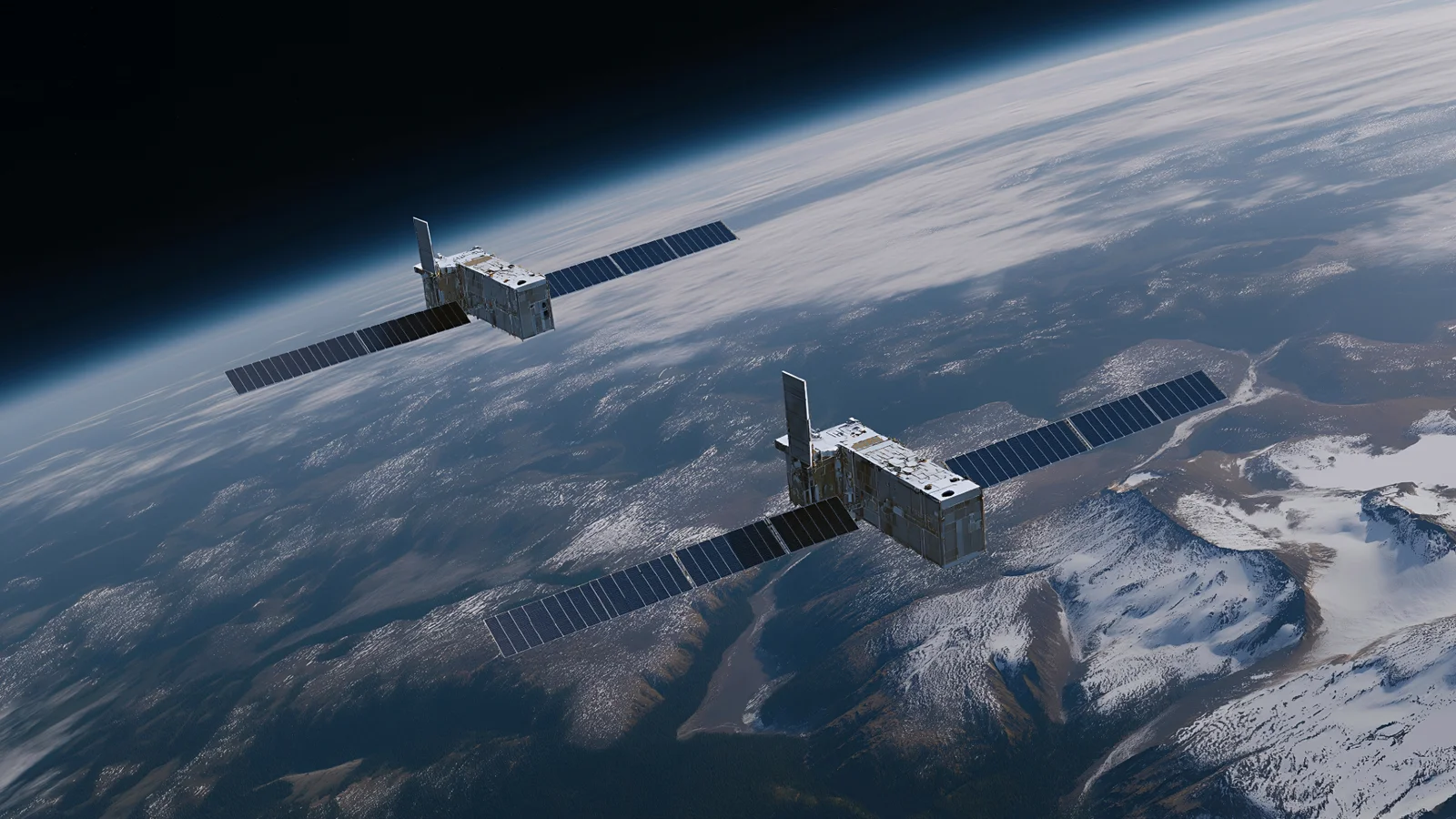
Amazon (AMZN) wants 5,105 satellites talking to your phone, on Globalstar (GSAT) spectrum it doesn't own yet
The application covers 5,105 satellites connecting straight to phones, starting in 2028, running on airwaves that still belong to Globalstar. Amazon agreed in April to buy the company for about $11.6 billion, and that deal is not expected to close until 2027. Globalstar trades $11 under the headline price, and the reason is in the exchange ratio rather than in doubts about the deal.
ChangXin Memory (CXMT) closed up 466% on day one and is worth as much as Intel. Its factories are sold out through 2027.
ChangXin Memory (CXMT) closed its Shanghai debut up 465.82%, passing ICBC as China's most valuable listed company and drawing level with Intel. Only 6.73% of its stock was tradable. The order book behind it is the part that matters for Micron (MU) and SK Hynix (SKHY).
Nvidia (NVDA) is in talks to guarantee $250 billion of OpenAI's data center financing. The chips are another $350 billion.
The Wall Street Journal reported Sunday evening that Nvidia is in talks to guarantee about $250 billion of OpenAI's financing for a 10 gigawatt campus in southern Ohio. The guarantee would cover lease and construction costs, not chips, which are a separate arrangement worth about $350 billion. Nvidia's earlier plan to invest up to $100 billion in OpenAI was never completed.