Seagate Technology Holdings PLC (STX) news and analysis

Seagate (STX)'s CEO and four other executives sold $43 million in 48 hours. The stock fell 6.5% three days later.
Five Seagate (STX) executives filed Forms 4 on Aug. 24 covering $43.3 million in stock sold on Aug. 20 and 21, three of them with no 10b5-1 plan attached. STX closed down 6.5% from those sale prices the day the filings hit.

Memory chip prices are soaring. So why are Micron (MU), SanDisk (SNDK) and SK Hynix (SKHY) falling?
Korea's chip exports nearly tripled in the first 20 days of August and its semiconductor export price index has quadrupled since 2023. Micron, SanDisk, SK Hynix, Samsung and Kioxia all peaked within one week in June and have fallen 21% to 51% since.

The AI trade rotates to a new sector every week. Which one is it going to be this week?
The AI trade has rotated by sector almost every week: software, then photonics, then memory. So which corner of AI runs next? I make the case for the one group that keeps riding along without ever leading.
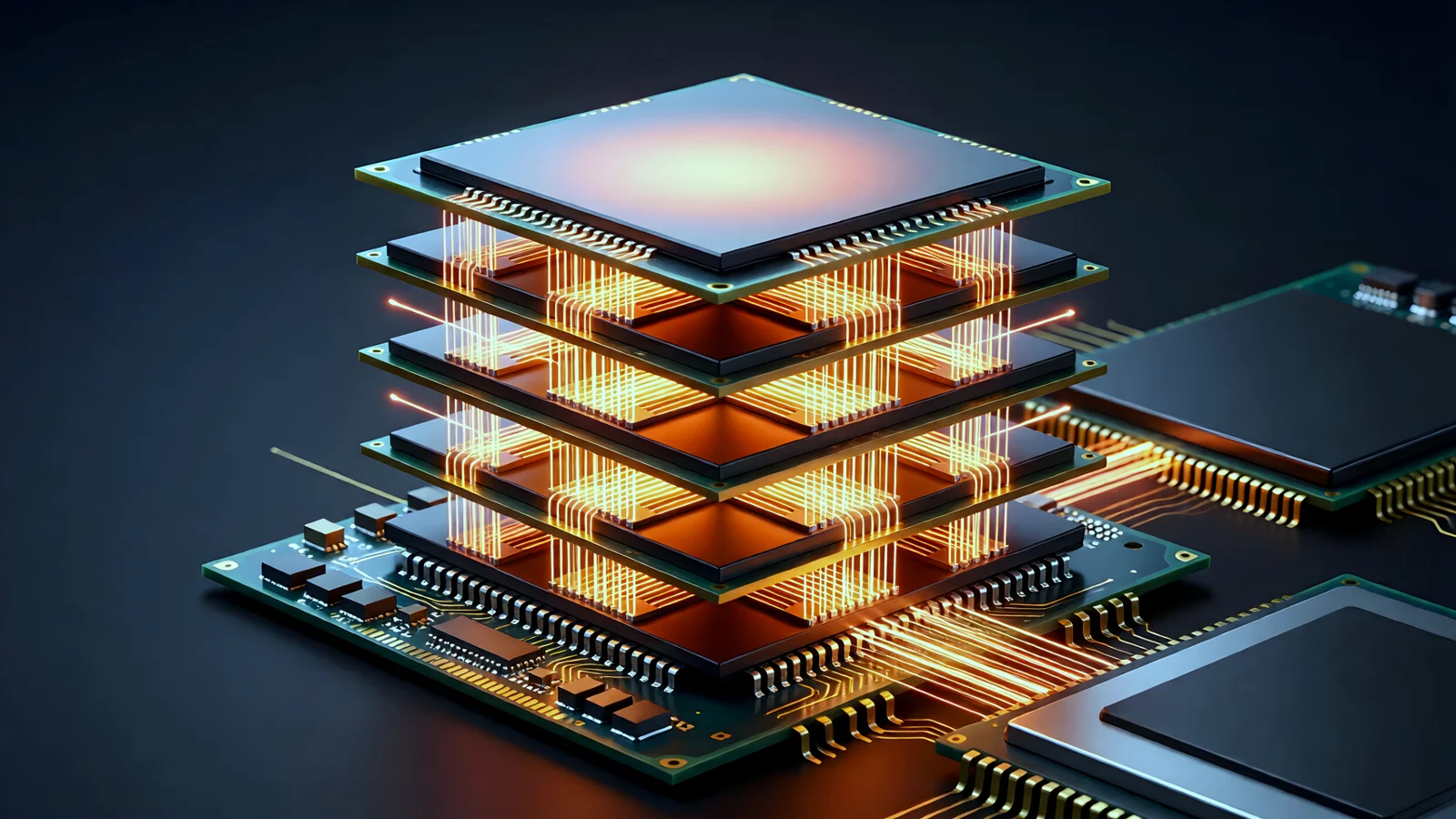
Memory is the bottleneck for AI, and the shortage is real
Elon Musk amplified a post calling memory, not compute, the limit for AI, and memory stocks ran. The shortage is real: demand is growing far faster than supply, and the new SK Hynix and Micron plants do not open until 2027 and 2028.
The AI trade rallied Monday. Memory fell as much as 8% at the open even as chip prices kept rising.
Micron (MU) has lost a third of its value since June 25 and SanDisk nearly half. CoreWeave and Vertiv fell about half as far, and Nvidia rose. Memory contract prices never fell. What changed is the rate of increase, which went from 93-98% a quarter to a forecast 13-18%.
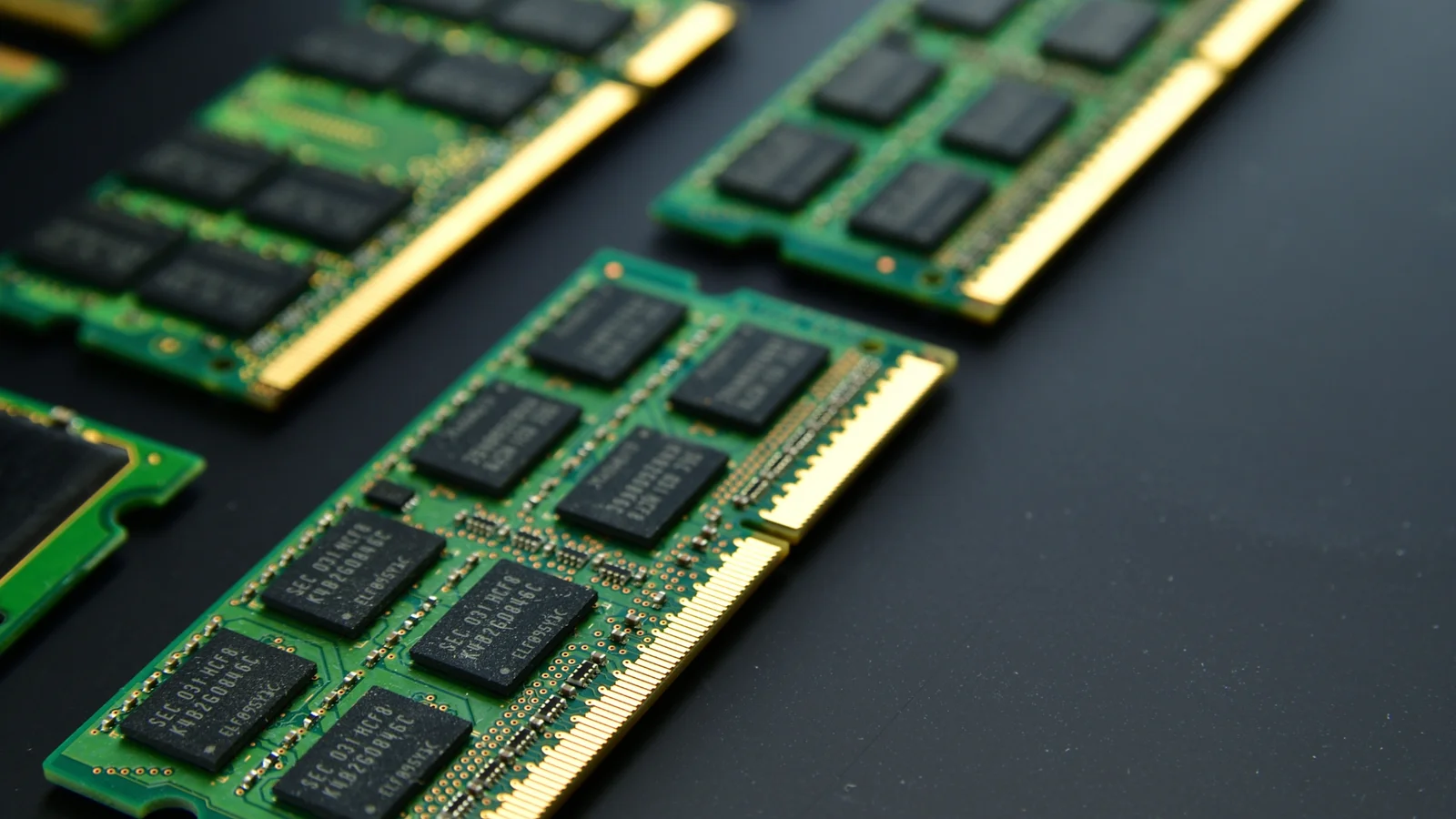
You cannot buy China's CXMT in the US. You can buy the Roundhill Memory ETF (DRAM), which has $627 million riding on it.
The Roundhill Memory ETF (DRAM) added a $627.5 million CXMT total return swap at a 2.52% weight, five days after CXMT's Shanghai listing. The position is bigger than GigaDevice, and there was no CXMT line in the fund's July 23 file.
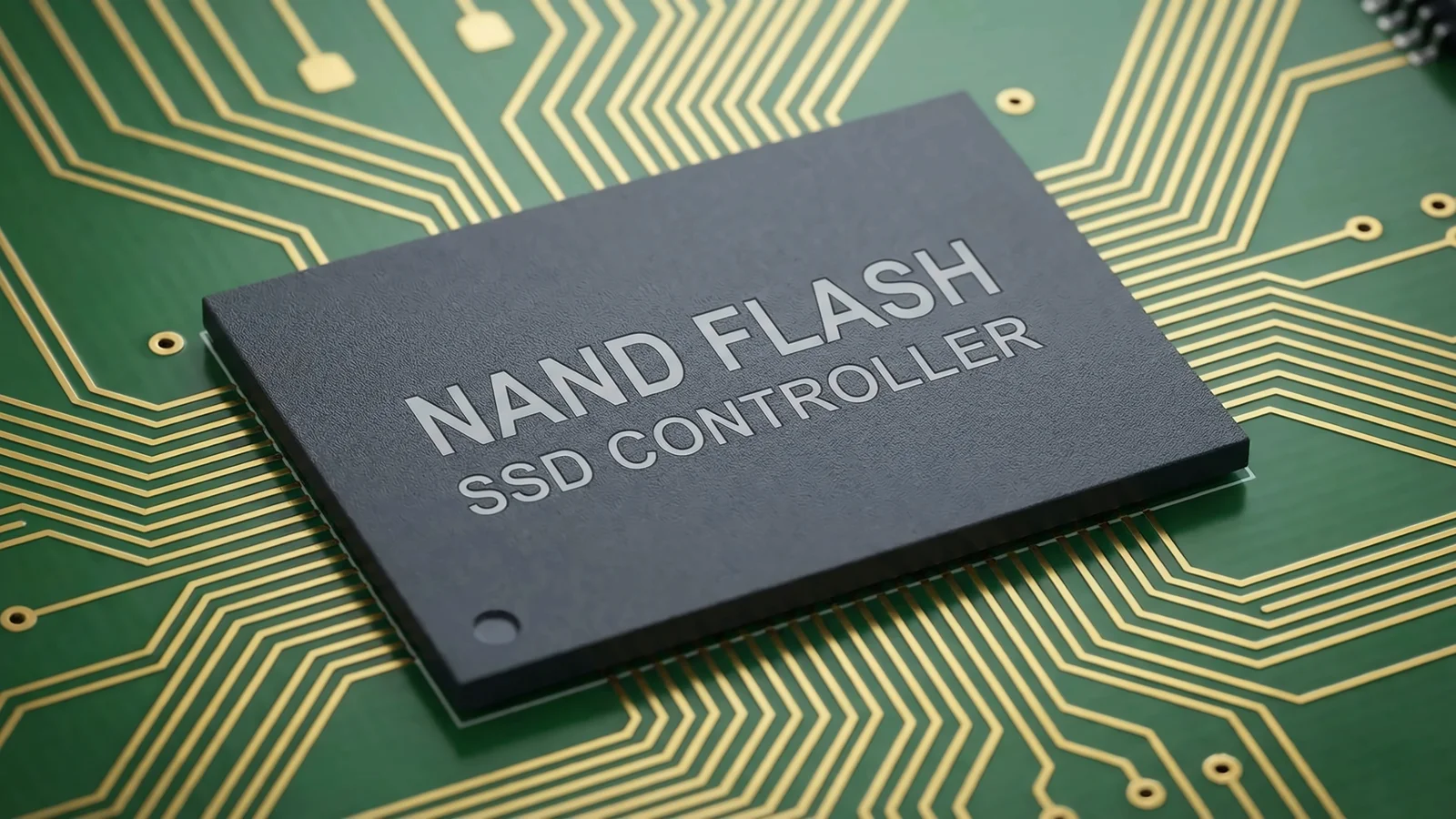
Kioxia is the memory chip maker that passed Toyota as Japan's most valuable company, then fell 66%. Here's who owns it
Kioxia is the former Toshiba Memory, and it makes NAND flash and nothing else. Toshiba still holds 15.10% and keeps selling, an SK Hynix (SKHY) vehicle holds 14%, and Sandisk (SNDK) co-owns the factories. What the company makes, who owns it, and how a US investor can reach it.

The Nasdaq is down six days straight. We checked what happened next all 85 times, so you don't have to.
The Nasdaq Composite closed lower for a sixth straight session on July 29, finishing at 24,442.94, down 5.4% over the run and 9.8% below its June record. It has happened 85 times since 1971. One month after those streaks the index gained a median 1.5%, which is exactly what a random month returns, and at three months it actually underperformed. The averages hide everything: every streak from 2000 to 2002 was followed by heavy losses, and every streak after 2009 by gains.
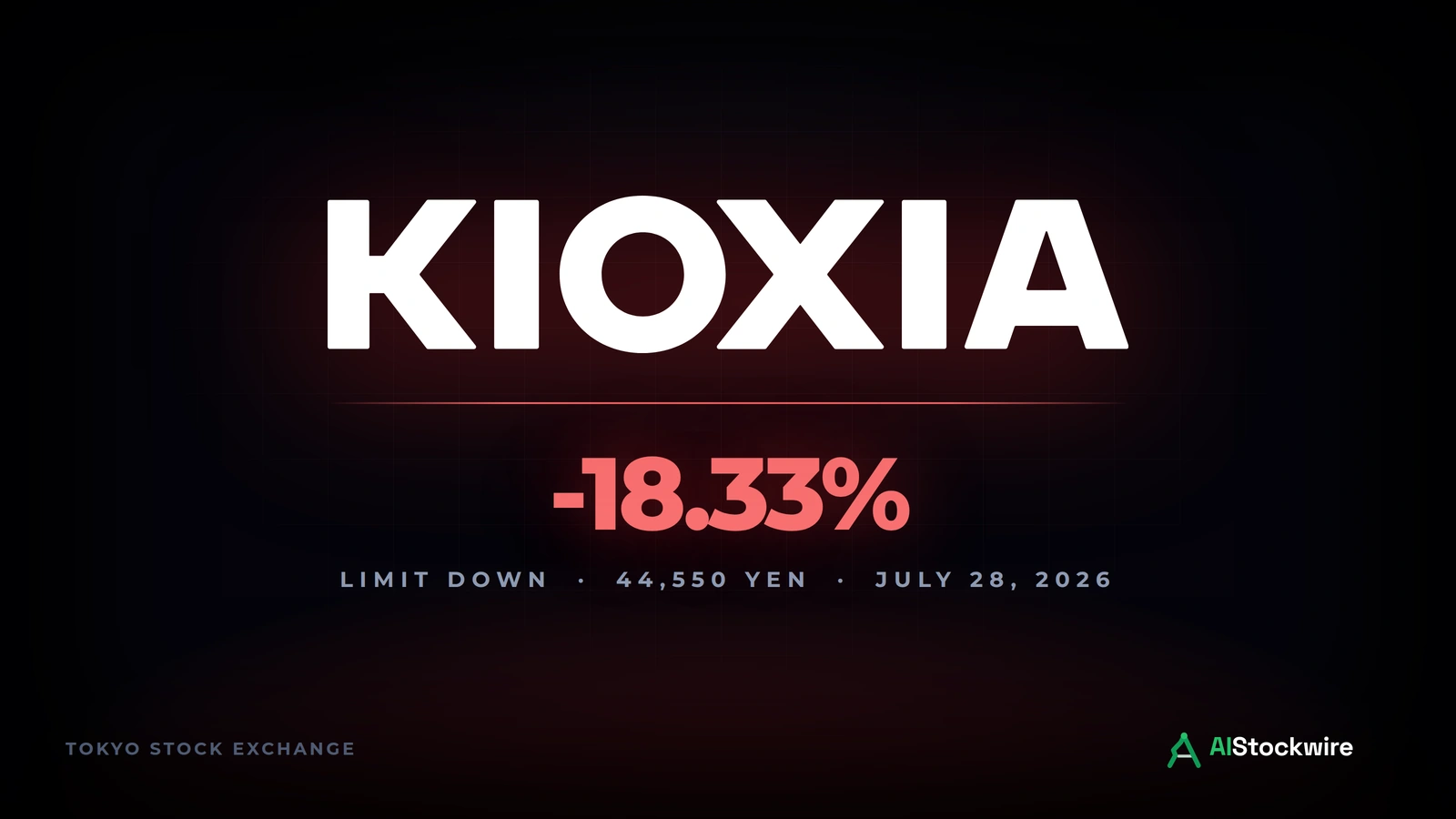
Kioxia hit limit-down again and is down 60% from its June peak. Sandisk (SNDK) co-owns its factories (July 28, 2026)
Kioxia closed at its limit-down price of 44,550 yen ($272 USD), down 18.33%, after finishing at the bottom of its daily band on July 17 as well. It is 60.5% below the 112,700 yen peak it set on June 22. It shares the Yokkaichi and Kitakami NAND plants with Sandisk (SNDK), which is why the two keep falling together.
Korea's Kospi fell 10.84% and halted trading. Nvidia (NVDA) is flat and Micron (MU) is down 10% (July 28, 2026)
Korea's Kospi closed at 6,023.66 on Tuesday, down 10.84%, its fourth largest one-day fall on record, after Korea Exchange stopped all trading for 20 minutes. Samsung and SK Hynix each lost more than 13%. The US carryover went into memory and storage, with Sandisk (SNDK) down 14.52% and Micron (MU) down 9.54%, while Nvidia (NVDA) held flat and the Dow rose.
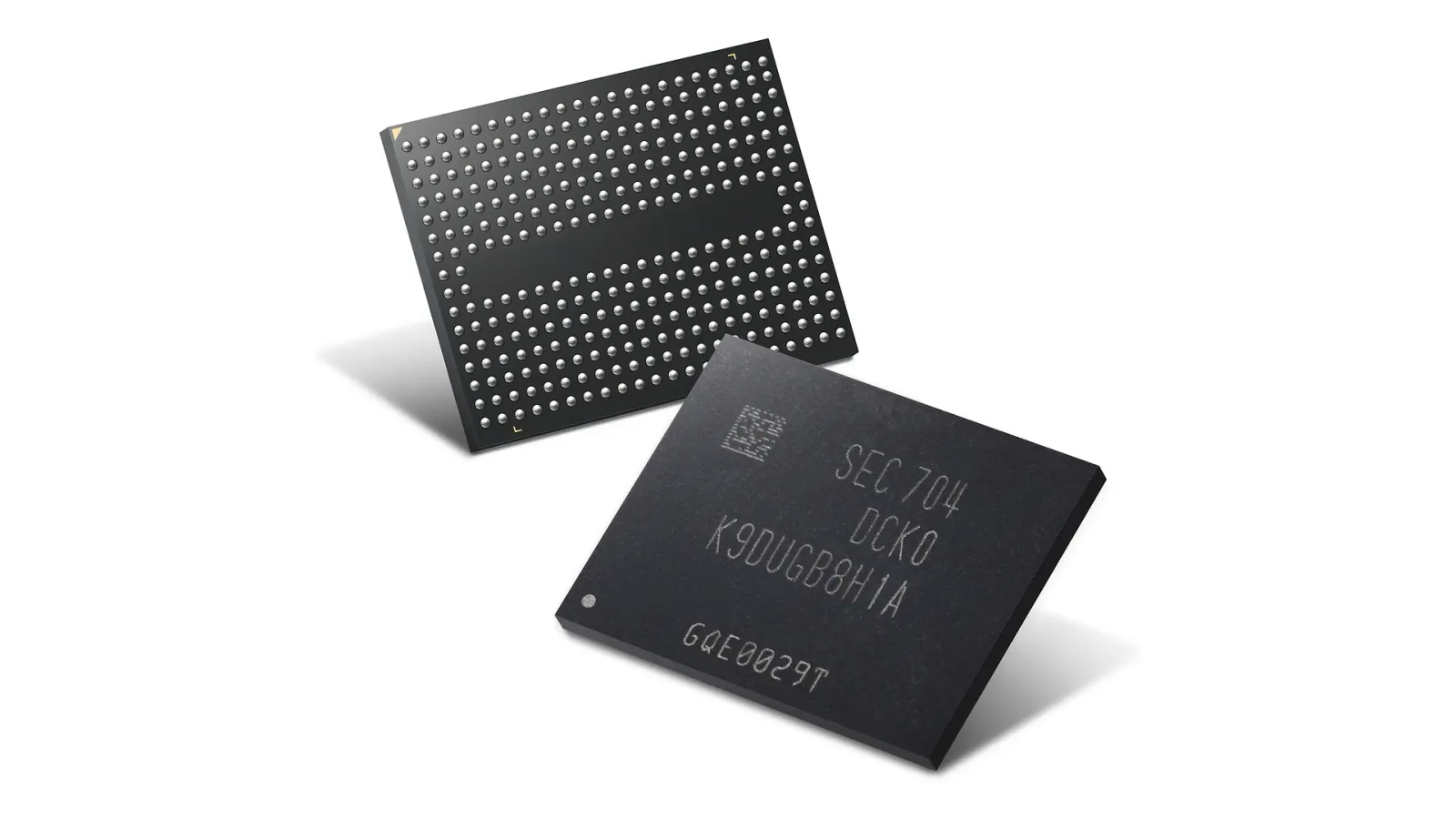
Memory stocks fell hard this week, from Micron (MU) to Western Digital (WDC). Sandisk (SNDK) lost 29%, and Goldman's price target says it should be 60% higher.
Sandisk (SNDK) fell 29% this week, the worst of a brutal stretch for memory stocks that also hit Micron (MU) and Western Digital (WDC). Two weeks ago Goldman Sachs raised its SNDK target to $2,200, more than 60% above Friday's close. Earnings on August 5 start settling the argument.
SK Hynix (SKHY) and Samsung make almost 80% of the world's AI memory. That's why Micron (MU) and US chip stocks crashed again (July 16, 2026)
Chip stocks fell hard again on July 16: SK Hynix's US shares (SKHY) closed down 13.7%, SanDisk (SNDK) 12.6%, Western Digital (WDC) 9.2%, Micron (MU) 5.7%, even after TSMC's record quarter. The reason traces back to Korea, where Samsung and SK Hynix make close to 80% of the world's AI memory, and to China's CXMT pricing an $85.7 billion IPO the same day.

Money is rotating out of semiconductor stocks and into the Mag 7 today. (July 15, 2026)
The real move Wednesday is money rotating into the Mag 7, Apple, Microsoft, Amazon and Meta are each up more than 3%. That money is coming out of semiconductor stocks, as SK Hynix's Nasdaq ADR, Micron and SanDisk all give back this week's spike.
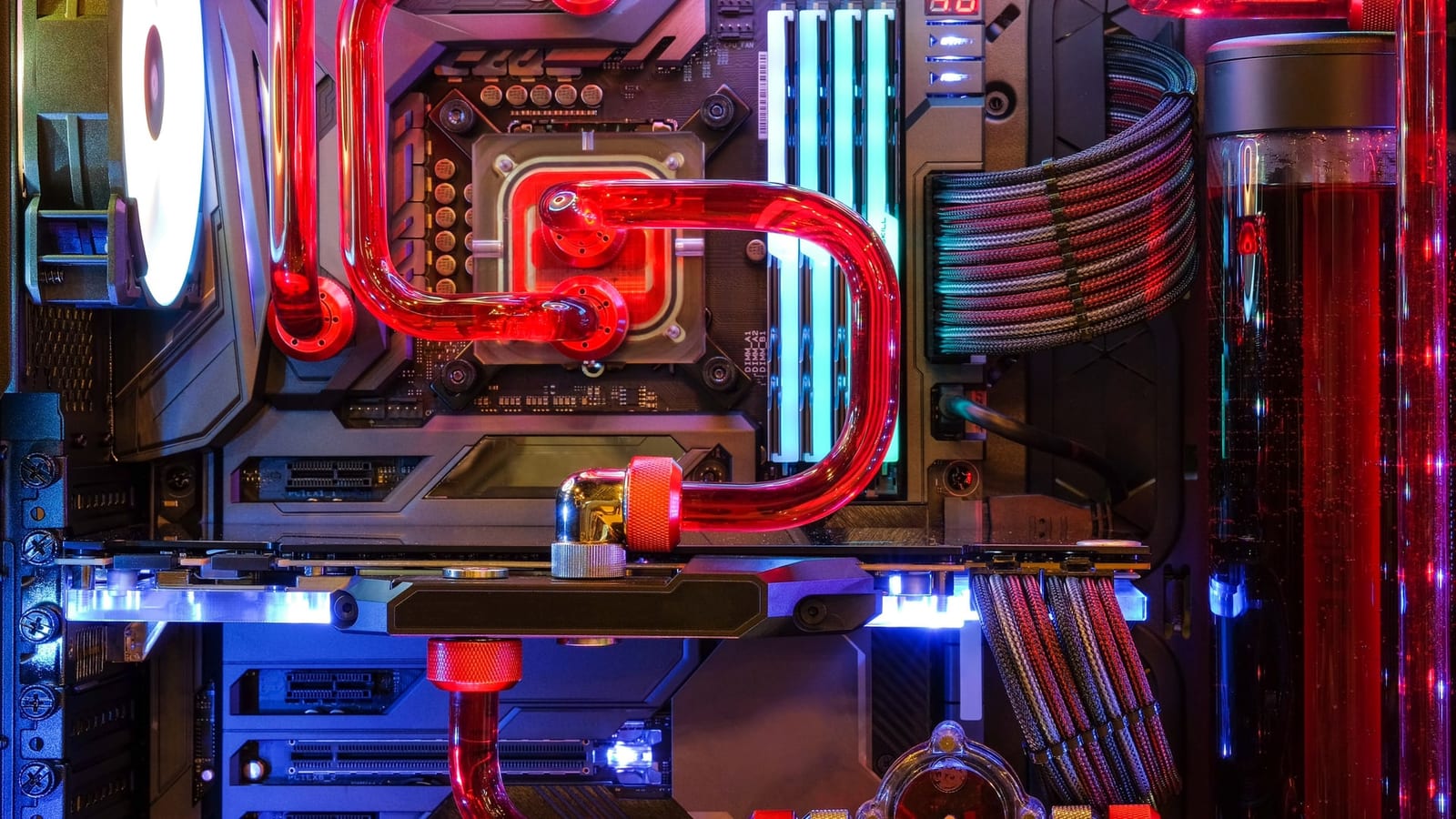
Inside the AI hardware stack, from Nvidia's chips to the grid that powers them
An AI data center is seven layers of hardware: GPUs, memory, storage, CPUs, networking, manufacturing, and power. Here's the full map, with the public companies behind each layer and where the bottlenecks actually are.
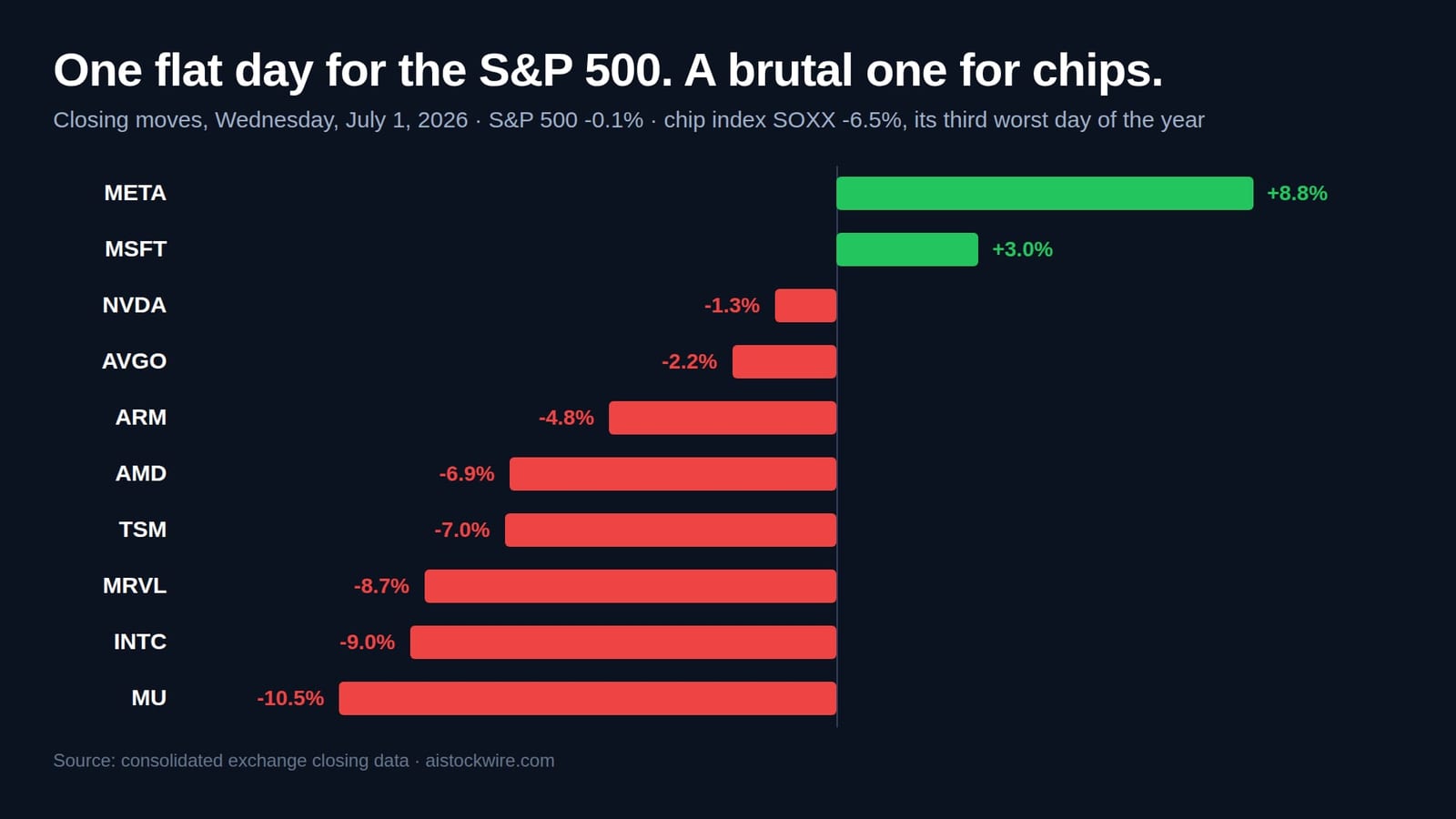
Chips had their third worst day of 2026 and the S&P barely noticed (MU, INTC)
The S&P 500 closed within a whisker of flat on July 1 and the chip trade still had its third worst day of the year. Micron fell 10.5 percent, Intel lost 9 percent, and Meta gained almost 9 percent on the other side. Here is the damage report.
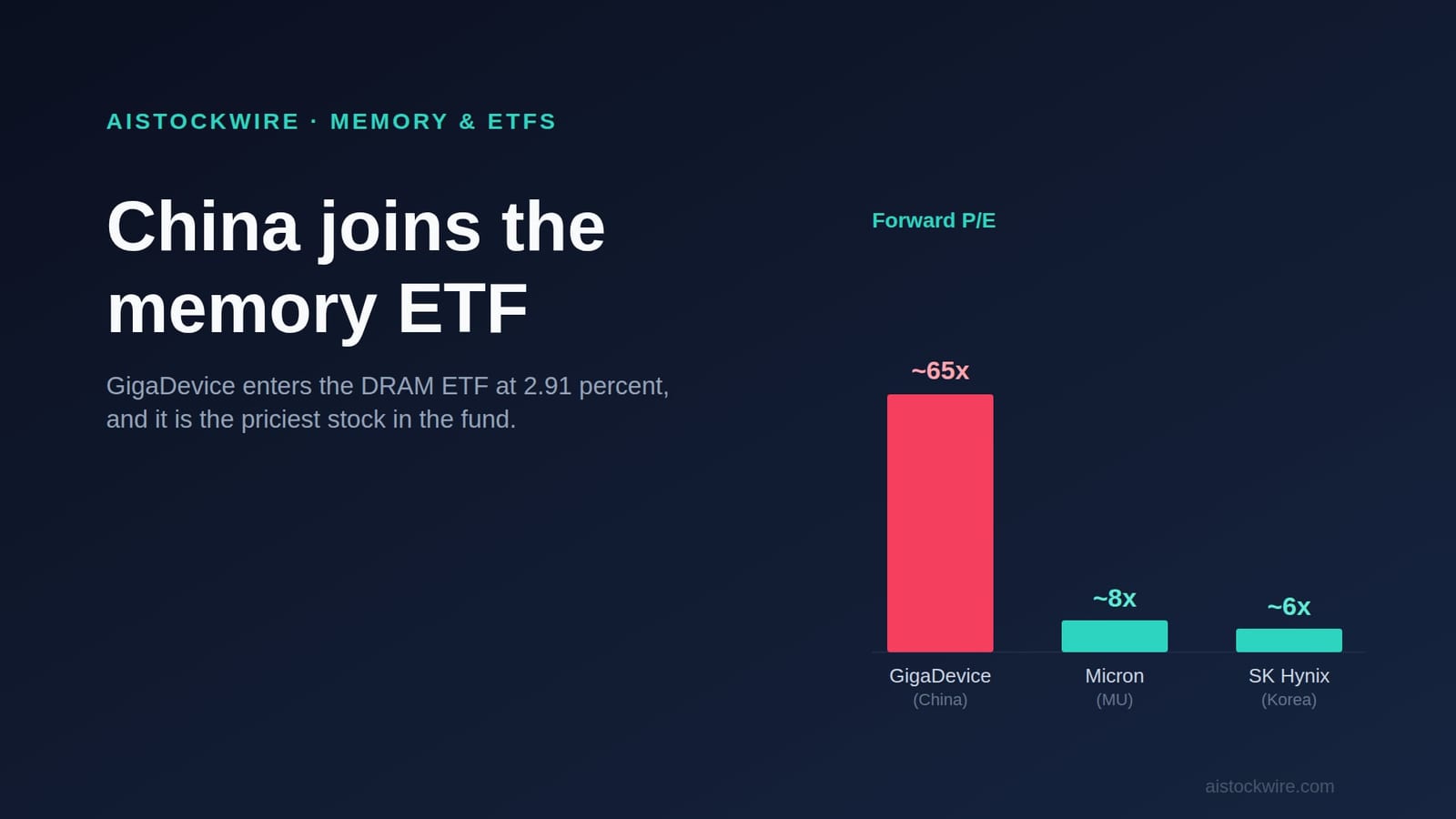
The Roundhill Memory ETF (DRAM) just added its first Chinese stock, and it is the priciest name in the fund
The Roundhill Memory ETF (DRAM) added GigaDevice as its first Chinese holding, and it is the priciest name in the fund. Updated August 1: CXMT is now in the fund too, at a 2.52% weight worth $627.5 million, held through a total return swap.
Samsung, SK Hynix and Micron (MU) are all trillion-dollar stocks now. Here is how they stack up against the Mag 7.
The AI memory boom turned Samsung, SK Hynix and Micron (MU) into trillion-dollar companies. Here is how the memory giants stack up against each other and the Mag 7, and the DRAM ETF that packages them in one ticker.
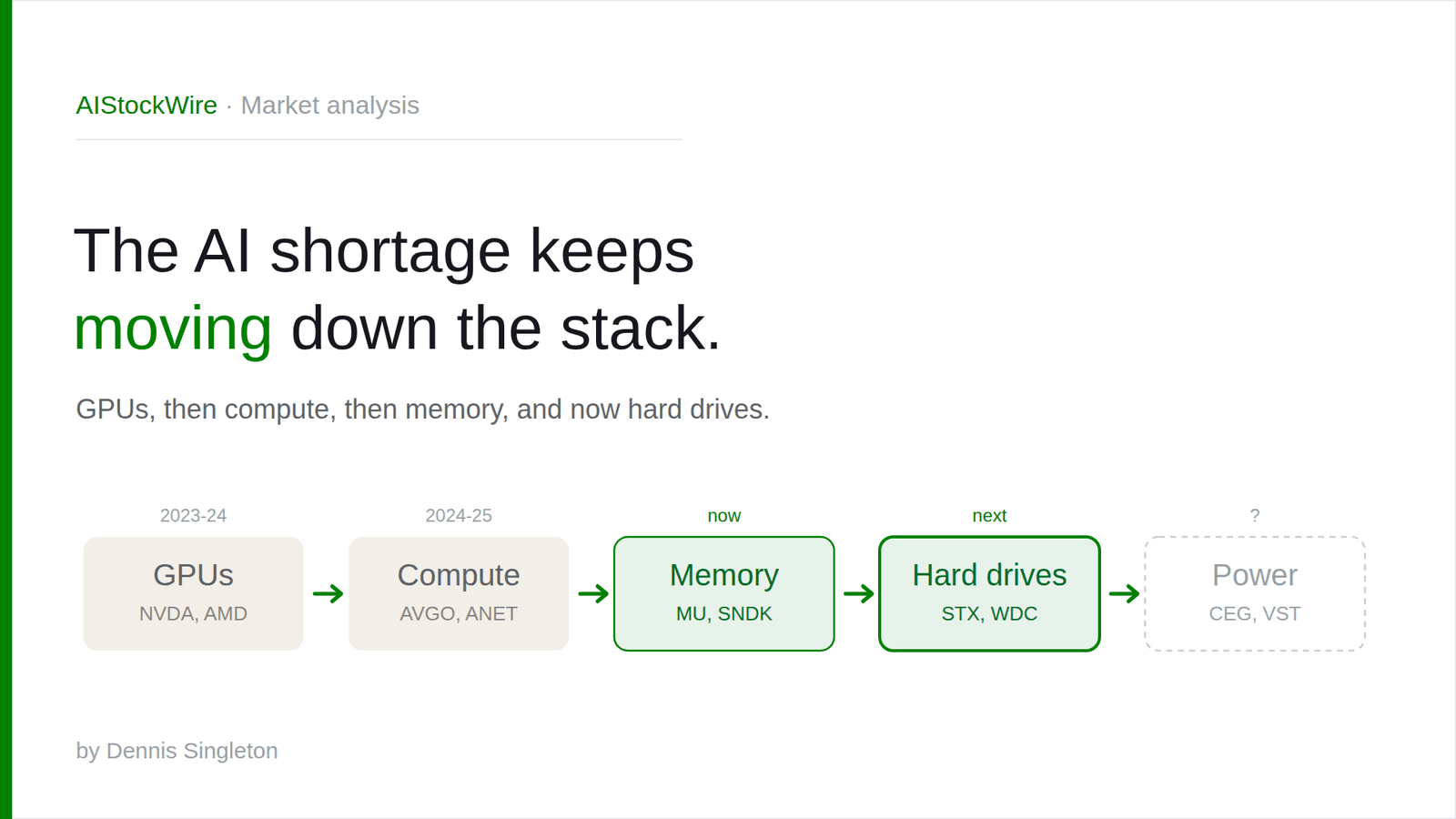
The AI shortage keeps moving: from GPUs to memory, and now to hard drives (STX, WDC)
The AI shortage keeps rotating down the supply chain: first GPUs, then compute and networking, now memory, and hard drives are the leg lighting up next. The pattern, the stock moves at each stage, and what could be next.
Korea's market halted for the third time this week. Micron (MU) fell overnight, then bounced at the open.
South Korea halted trading a third time this week as SK Hynix and Samsung fell about 9 percent. Micron (MU) dropped overnight, then bounced at the open. Why this memory selloff is about leverage and positioning, not demand.
Sandisk (SNDK) ripped more than 20% on Micron's (MU) blowout: the memory stocks to watch
Sandisk (SNDK) jumped more than 20% today, the loudest name in a memory-stock rally lit by Micron's (MU) record quarter. Why SNDK ripped, and the other memory names riding the same wave.