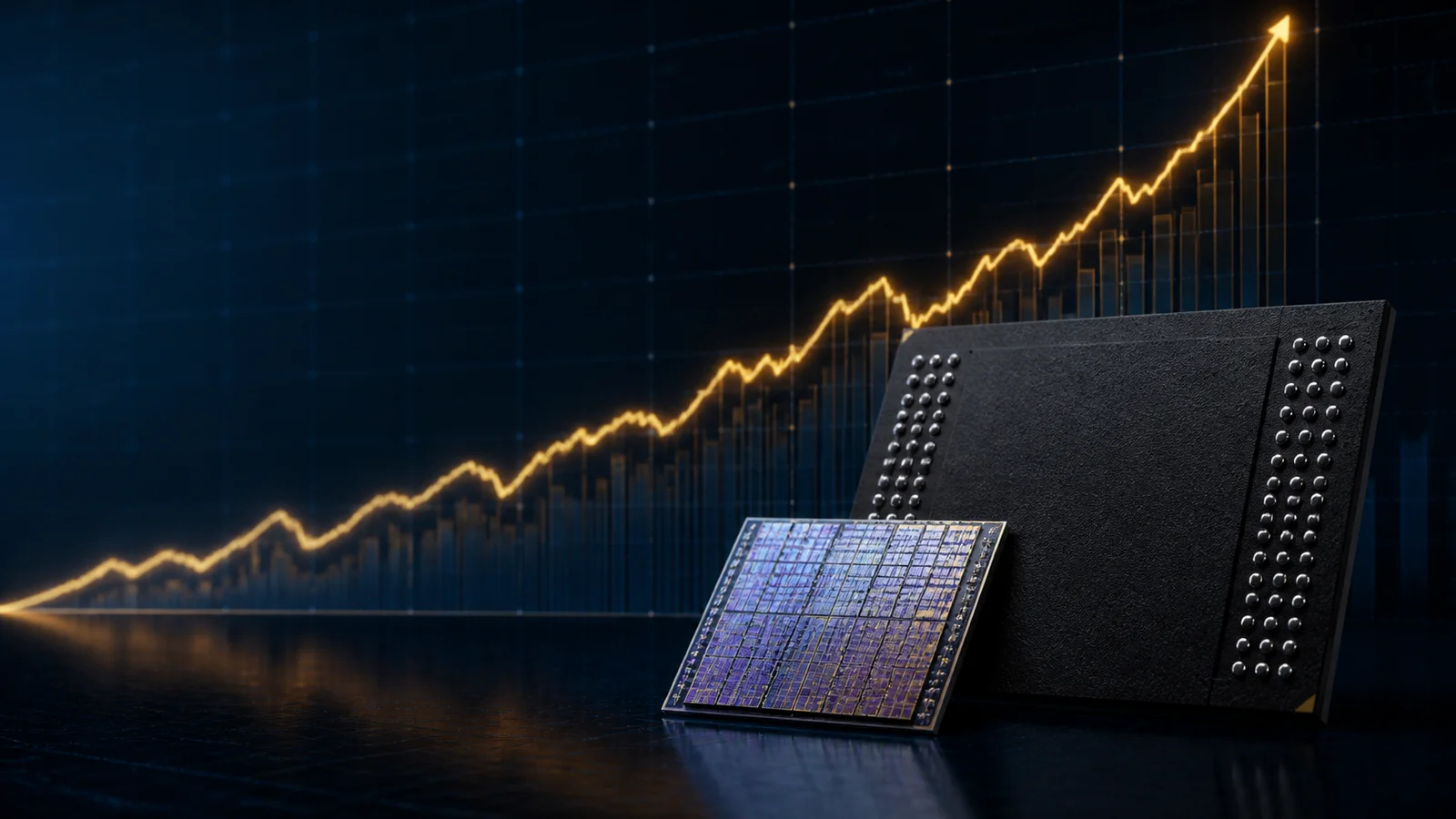
Memory chip prices are soaring. So why are Micron (MU), SanDisk (SNDK) and SK Hynix (SKHY) falling?
Korea's chip exports nearly tripled in the first 20 days of August and its semiconductor export price index has quadrupled since 2023. Micron, SanDisk, SK Hynix, Samsung and Kioxia all peaked within one week in June and have fallen 21% to 51% since.

Applied Materials (AMAT) posted a record quarter and guided higher. Shares fell in extended trading
Applied Materials posted its highest quarterly revenue ever, beat Wall Street on both lines and guided the fall quarter higher. The stock still fell. DRAM is now 26% of equipment sales.
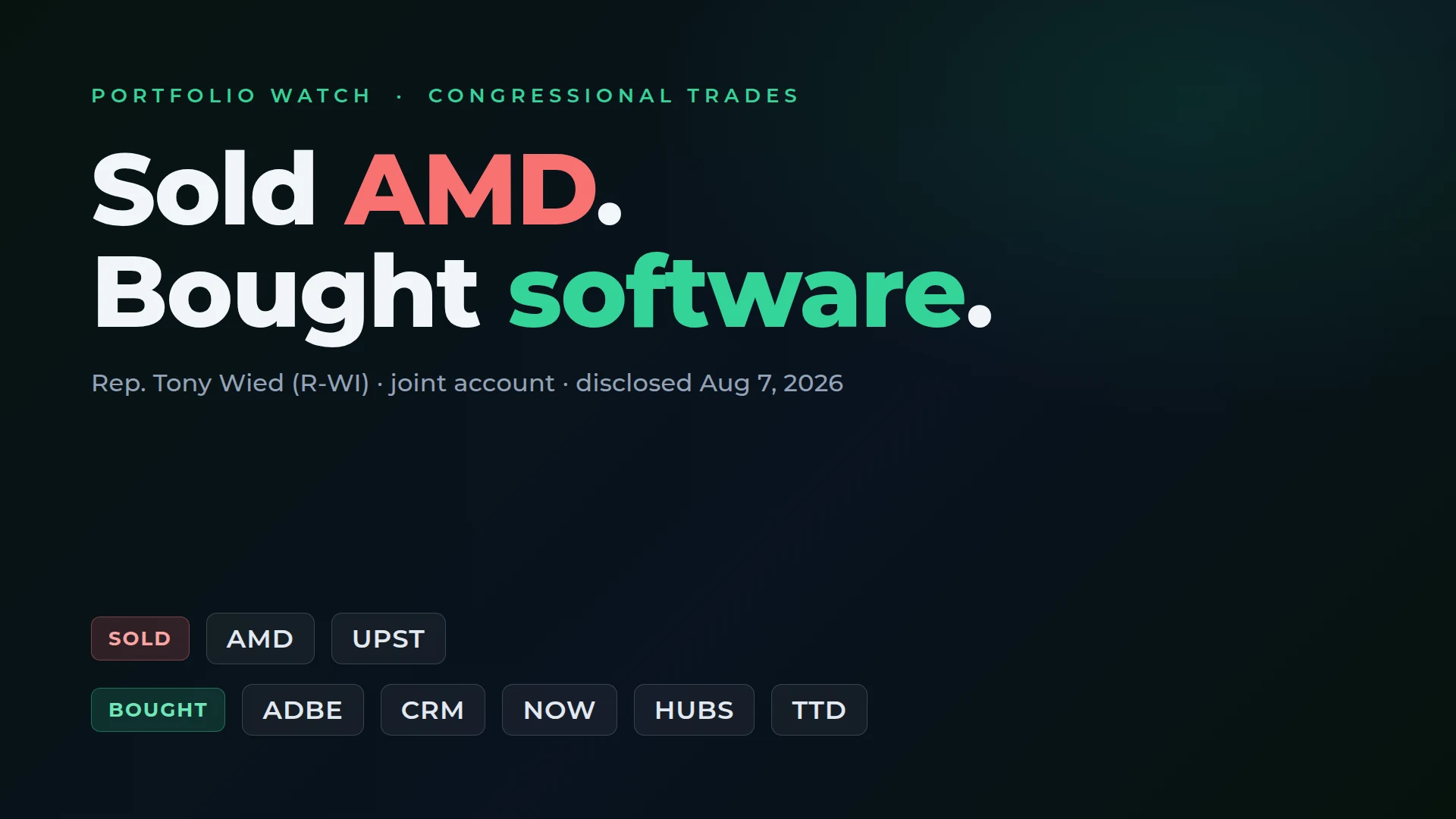
Congressman Tony Wied sold up to $250,000 worth of AMD stock and loaded up on software stocks
Wisconsin Rep. Tony Wied sold up to $250,000 of AMD on June 3, then bought Adobe (ADBE), Salesforce (CRM), ServiceNow, HubSpot and The Trade Desk six days later. His February filing showed the same move out of chips and into software.

The Nasdaq is down six days straight. We checked what happened next all 85 times, so you don't have to.
The Nasdaq Composite closed lower for a sixth straight session on July 29, finishing at 24,442.94, down 5.4% over the run and 9.8% below its June record. It has happened 85 times since 1971. One month after those streaks the index gained a median 1.5%, which is exactly what a random month returns, and at three months it actually underperformed. The averages hide everything: every streak from 2000 to 2002 was followed by heavy losses, and every streak after 2009 by gains.
Korea's Kospi fell 10.84% and halted trading. Nvidia (NVDA) is flat and Micron (MU) is down 10% (July 28, 2026)
Korea's Kospi closed at 6,023.66 on Tuesday, down 10.84%, its fourth largest one-day fall on record, after Korea Exchange stopped all trading for 20 minutes. Samsung and SK Hynix each lost more than 13%. The US carryover went into memory and storage, with Sandisk (SNDK) down 14.52% and Micron (MU) down 9.54%, while Nvidia (NVDA) held flat and the Dow rose.

About $25 billion of Microsoft's (MSFT) AI budget is memory getting more expensive. Wednesday says whether that grew.
Microsoft told investors in April it would spend about $190 billion on capital projects this year. Around $25 billion of that increase bought nothing new, it was the same buildout at a higher price after memory costs rose. Microsoft reports Wednesday after the close, two hours after the Fed decision.

Nasdaq futures were up over 1% and things looked good. Then chips tanked and took the whole gain with them, led by ASML, Micron (MU) and Nvidia (NVDA) (July 27, 2026)
Futures pointed to a strong open on the Iran ceasefire and a 6.79% drop in oil. QQQ opened up 1.09% and was negative within the hour. Three chip headlines did it, and two of them came out of China: a domestic DUV lithography report that hit ASML, and CXMT's Shanghai debut that hit Micron.

Jim Cramer's tech calls are still lagging the rest of his book. Intel is 1 for 5, and IBM crashed the day after his second buy call.
Jim Cramer's tech calls are still his weak spot. Intel is 1 for 5 since June, IBM is down nearly 30% since his back-to-back buy calls, and his tech picks trail the Nasdaq-100 by more than three points a call even after Tuesday's chip bounce.

SpaceX briefly fell below its IPO price today, and the revenue never supported a $2 trillion valuation
SpaceX dipped as low as around $132 on Wednesday, briefly trading below its $135 IPO price for the first time, before closing at $135.27, just pennies above it. With about $18.7 billion in revenue last year, a $2 trillion valuation was always a stretch, and Morningstar said as much before the IPO even priced.
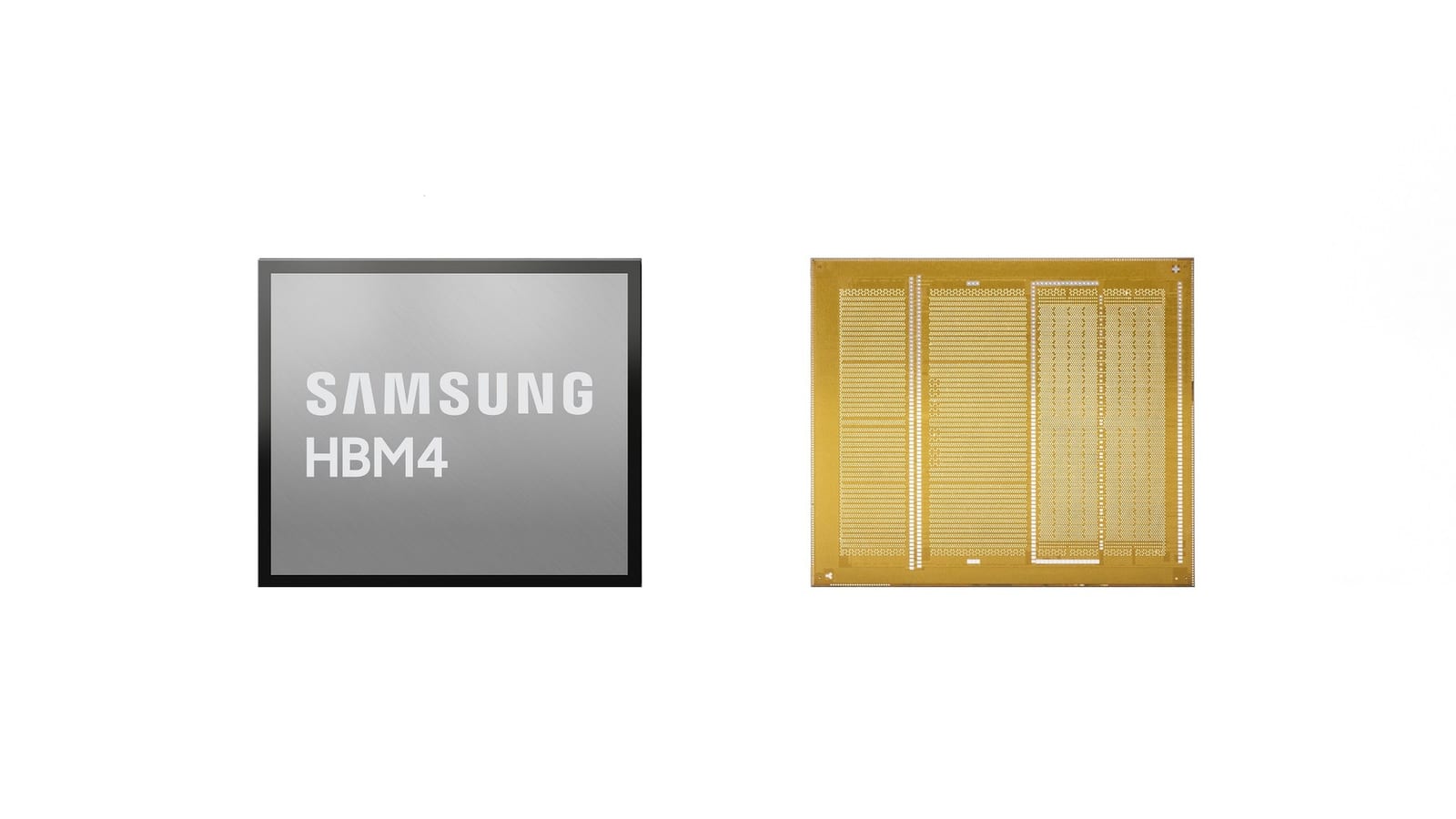
Samsung's record beat couldn't stop a memory stock selloff, and Micron (MU) is caught in it
Samsung posted a record 89.4 trillion won ($58.5 billion) Q2 operating profit, up 18-fold year over year, and the stock still opened lower. Memory names like Micron, SanDisk, and Western Digital are down sharply while the broader Nasdaq 100 barely moved. This is still developing after-hours and can change fast.

The AI stock map: every layer of the trade, from sand to software
A top-to-bottom deep dive on the AI supply chain, from the machines that make the chips down to the hyperscalers writing the checks, and how every layer pushes and pulls on the others.